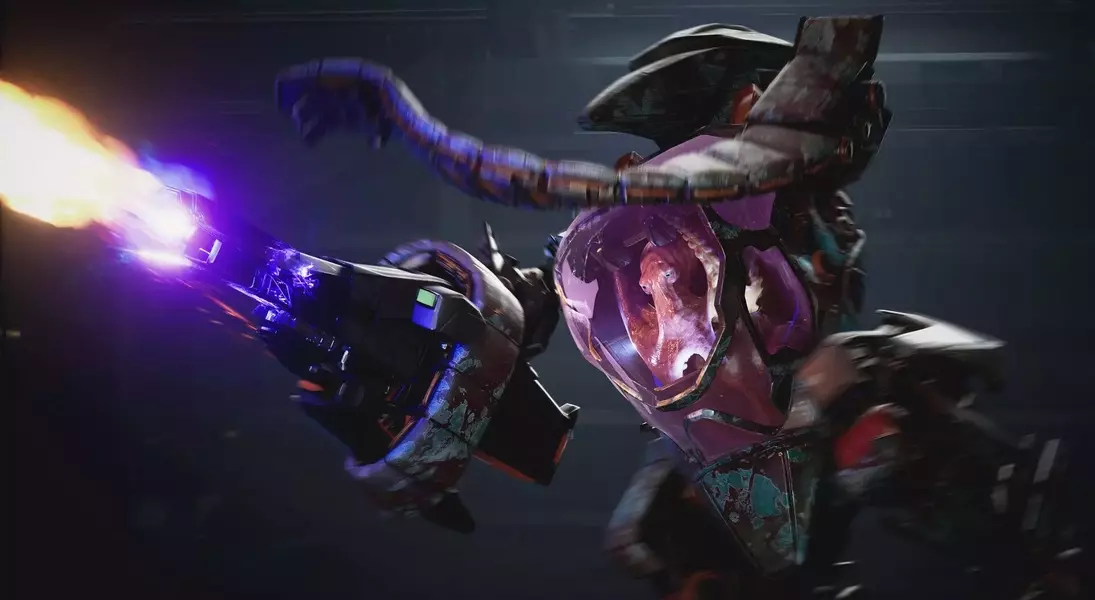

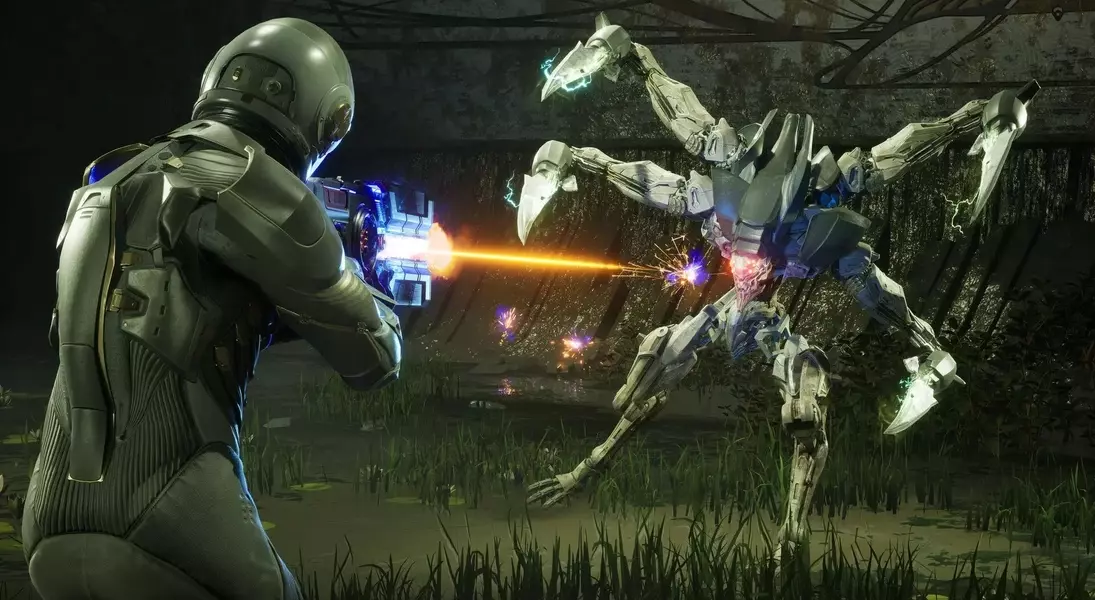
A fresh challenger has entered the vast galaxy of science fiction role-playing games, aiming to carve its own distinct path. Archetype Entertainment's inaugural title, Exodus, is generating significant buzz for its ambitious narrative structure and gameplay mechanics, immediately inviting comparisons to the beloved Mass Effect series. Despite these resemblances, born from a shared creative heritage, Exodus boldly differentiates itself through a core principle: a rigorously applied canon based on relativistic physics, fundamentally altering the player's perception of time and consequence.
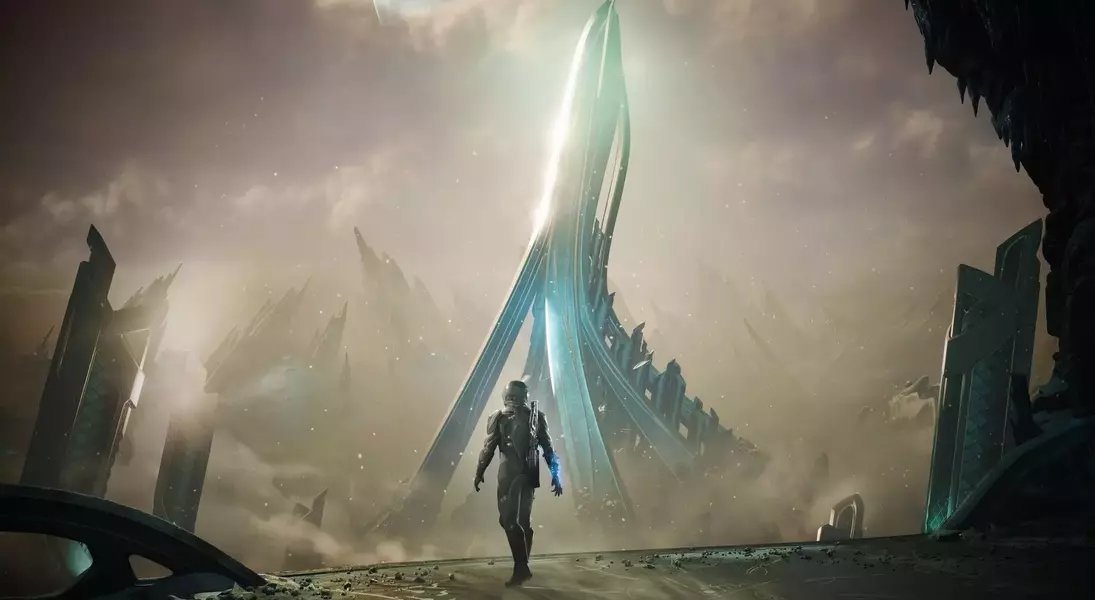
Exodus unfolds in a distant future, 40,000 years from now, yet its origin story begins closer to our present, detailing humanity's exodus from a deteriorating Earth to the Centauri Cluster. The absence of faster-than-light travel leads to the profound phenomenon of time dilation, where interstellar journeys can cause travelers to experience mere days while years, or even decades, pass for those left behind. This central mechanic, termed "Exodus missions," injects a unique layer of strategic planning and emotional weight into every journey. Players embody Jun Aslan, a 'Traveler' who confronts the personal sacrifices inherent in deep space exploration, facing a universe where information travels slowly, and past choices ripple across vast temporal expanses, ensuring a richly varied experience across multiple playthroughs.
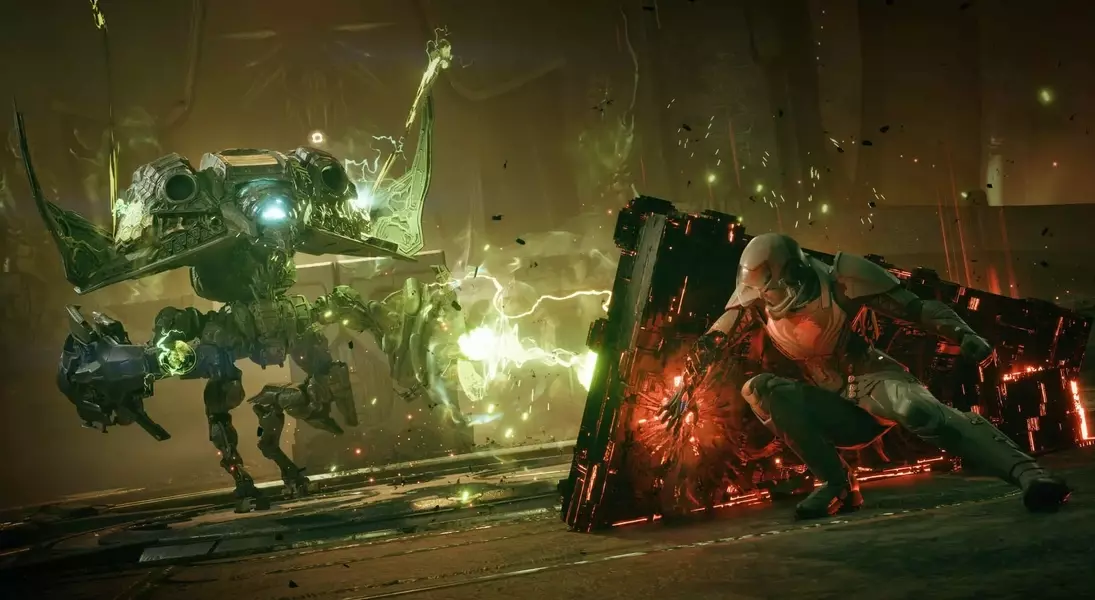
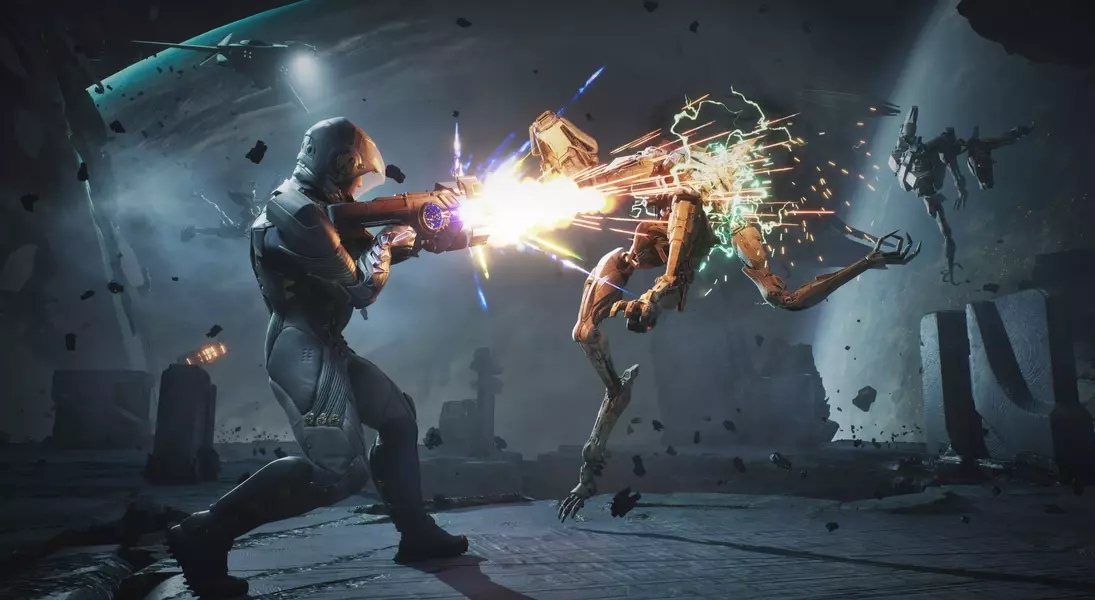
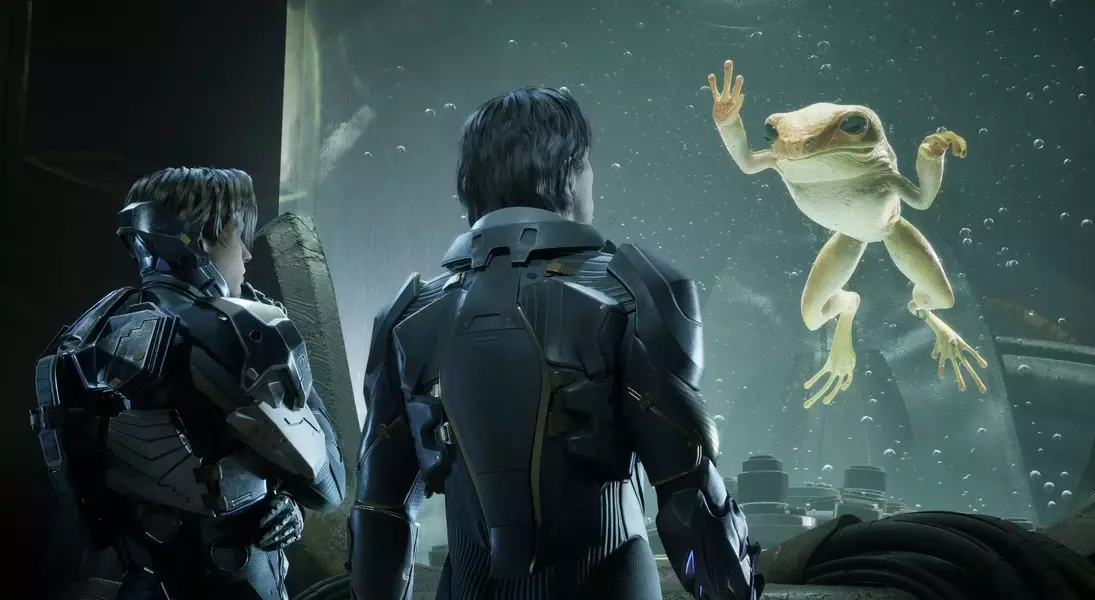
During a two-hour preview, the gameplay showcased a refined third-person shooter experience, featuring dynamic cover-based combat, a diverse arsenal of six weapons, and a robust crafting system. Players can modify weapons, enhance personal powers through extensive skill trees, and strategically command companions, including an 'Awakened' octopus with human-level consciousness. The protagonist, Jun, possesses unique abilities stemming from 'Uranic' human lineage, allowing manipulation of 'livestone' for both combat and environmental puzzle-solving. Missions, such as a heist aboard the orbital station Khonshu to rescue enslaved 'Awakened' frogs, reveal a meticulously designed world filled with branching pathways and moral choices that influence character affinity and the narrative's direction. The immersive experience is further enhanced by innovative sound design during vacuum-of-space segments, utilizing orchestral scores to convey dramatic tension in the absence of conventional audio.
Exodus stands as a testament to innovative storytelling and game design, proving that while inspiration may be drawn from industry giants, a fresh vision can forge an entirely new and compelling universe. By embracing the intricate implications of relativistic physics, the game offers a profound exploration of time, choice, and consequence, encouraging players to deeply consider the long-term impacts of their actions in a way few games have before. This ambitious approach not only distinguishes Exodus from its predecessors but also sets a new standard for narrative depth in the space-faring RPG genre, promising a future where gaming continually pushes the boundaries of immersive and meaningful experiences.
