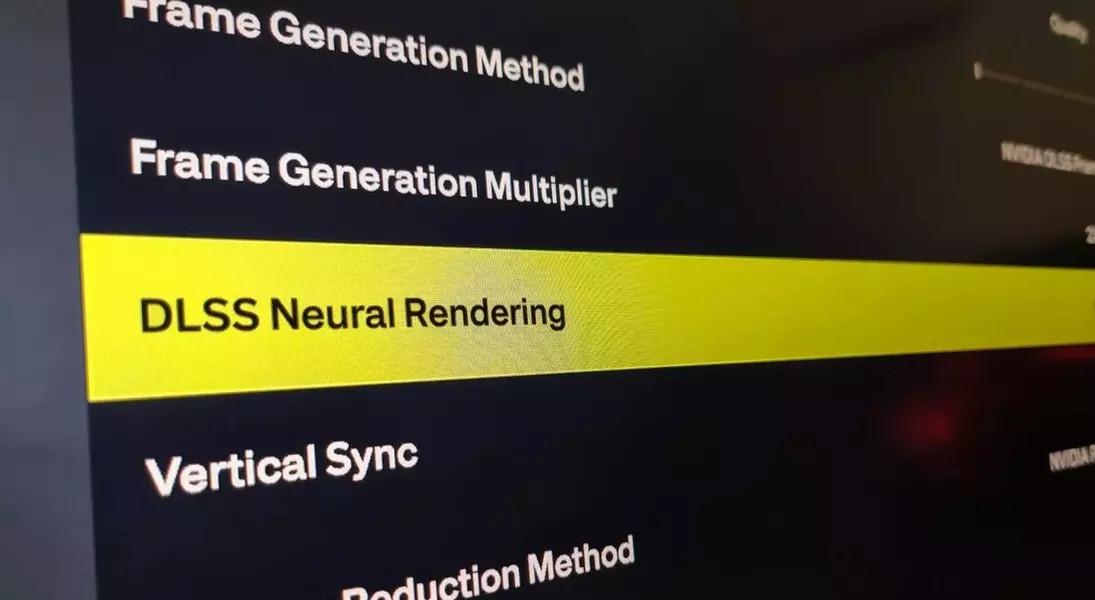
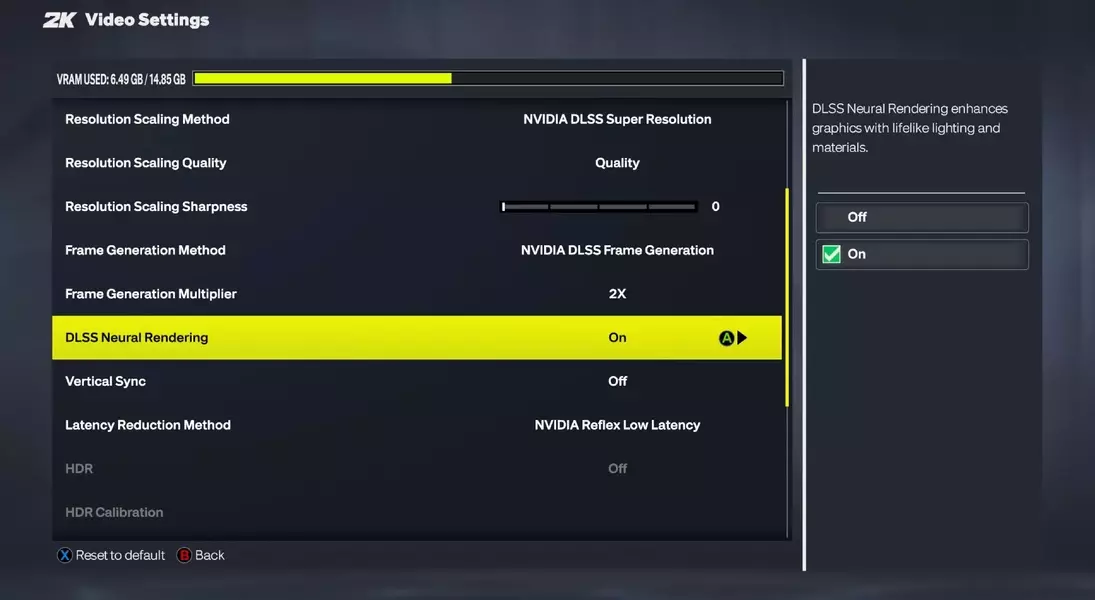



NVIDIA's new AI imaging technology, originally labeled DLSS 5, has been officially introduced as "DLSS Neural Rendering" in NBA 2K27. This change in terminology aims to distinguish the advanced AI-driven visual enhancements from the established upscaling functions of traditional DLSS. The move comes as NVIDIA navigates public perception and clarifies the role of AI in game graphics, especially given the ongoing debate about AI's impact on artistic integrity and performance. While traditional DLSS focuses on improving frame rates by rendering at lower resolutions and then upscaling, DLSS Neural Rendering introduces a new layer of AI-powered image alteration, allowing developers more control over visual effects, albeit with potential performance implications.
The initial introduction of "DLSS 5" caused considerable confusion among gamers and industry experts. Previous iterations of DLSS, such as DLSS 4.5, have been widely accepted for their ability to enhance image quality and boost performance through intelligent upscaling and ray reconstruction. These incremental improvements were generally well-received, contributing to smoother gameplay experiences. However, the conceptual leap to DLSS 5, which involved AI image alteration rather than mere upscaling, blurred the lines and raised questions about the future direction of NVIDIA's Deep Learning Super Sampling technology. Many wondered if this new AI feature would become an inseparable part of future DLSS updates, forcing users to adopt AI-altered visuals.
NVIDIA has consistently emphasized that the new AI image alteration is developer-controlled and optional, meaning players can choose whether to enable it. The decision to label it as "DLSS Neural Rendering" in NBA 2K27's settings menu, rather than simply "DLSS 5," marks a strategic effort to better communicate its distinct purpose. This rebranding acknowledges the need for clearer differentiation between NVIDIA's various DLSS functionalities. By separating the AI alteration aspect from the core upscaling technology, NVIDIA hopes to mitigate backlash and allow both technologies to evolve independently. For example, regular DLSS upscaling will continue to receive updates, ensuring its consistent improvement separate from the neural rendering features.
Despite the rebranding, the controversy surrounding AI-generated visuals in gaming is far from over. A significant portion of the gaming community remains skeptical, fearing that AI could lead to a compromise of artistic vision or an over-reliance on automated visual enhancements. Furthermore, the performance impact of DLSS Neural Rendering is a notable concern. Early tests in NBA 2K27 have shown a substantial performance hit, with one high-end RTX 5080 graphics card experiencing up to a 73% reduction in frame rates at certain settings. This raises questions about the hardware requirements needed to run the technology effectively and whether the visual benefits justify the performance cost. The ongoing discussion highlights the delicate balance between pushing technological boundaries and addressing community concerns regarding visual fidelity, performance, and artistic control in gaming.
Ultimately, the change to "DLSS Neural Rendering" in game menus is a step towards providing clarity for consumers. It allows for better understanding of the specific function of this AI-driven feature, distinguishing it from traditional DLSS upscaling. This separation could help shape public opinion more positively, emphasizing that players have a choice in adopting these new AI visual enhancements rather than having them implicitly integrated into existing DLSS versions. The success of this rebranding will depend on how developers implement the technology and how players perceive its optional nature and the visual quality it delivers.
