A substantial portion of the American populace is currently leveraging new tax advantages, leading to increased refunds and promoting financial stability. Despite global energy market fluctuations, economic officials assert the nation's resilience, even as a crucial debate continues regarding the impact of rising oil costs on household expenditures. Initiatives are actively being implemented to mitigate the effects of these external economic pressures.
The Impact of the One Big Beautiful Bill on American Taxpayers
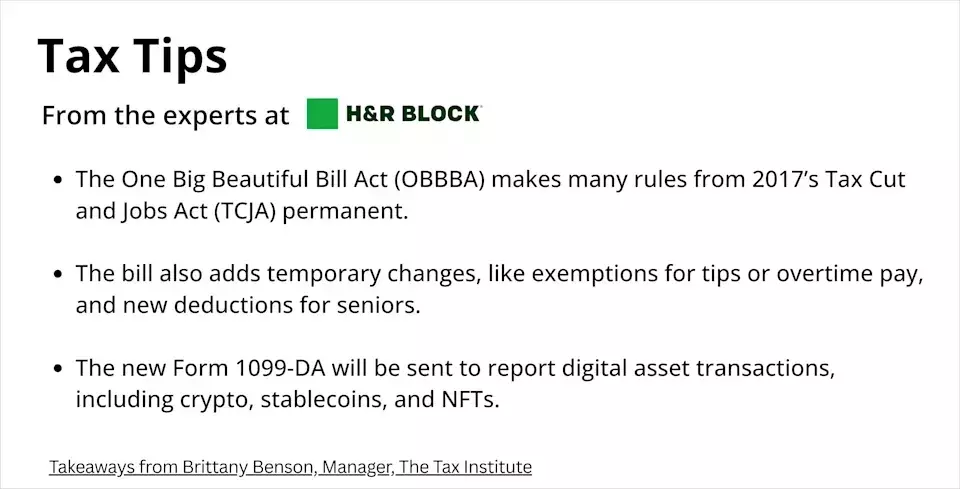
The One Big Beautiful Bill (OBBB) has significantly reshaped the tax landscape for millions of Americans, with nearly half of all taxpayers, totaling 37.5 million individuals, claiming benefits from its new provisions. These provisions offer various financial advantages, including tax exemptions on tip income, overtime pay, and Social Security benefits, as well as deductions for car loan interest. Such measures are designed to alleviate the financial burden on households and stimulate economic activity by putting more money back into the hands of taxpayers. The introduction of over six million Trump accounts further underscores efforts to promote long-term financial planning, providing tax-advantaged investment opportunities specifically tailored for children, encouraging early savings and investment habits.
These comprehensive tax reforms under the OBBB have demonstrably led to a robust tax season, evidenced by the significant increase in the average tax refund. Currently, the average refund stands at an impressive $3,569.72, representing a more than 10% increase compared to the previous year's average of $3,233.17. As of March 25, over 85.4 million tax returns have been filed, indicating widespread participation and the immediate positive impact of these new policies. These enhanced refunds are expected to provide a welcome boost to consumer liquidity, potentially counteracting some of the economic uncertainties stemming from geopolitical events and volatile energy markets, thereby contributing to overall economic resilience.
Economic Resilience and Energy Market Dynamics
Despite ongoing concerns regarding global events, particularly the conflict in Iran and its subsequent impact on international oil markets, the U.S. economy demonstrates considerable resilience. Treasury Secretary Scott Bessent has affirmed the economy's strong position to navigate temporary disruptions, highlighting the effectiveness of strategic policy interventions. An analysis by Deutsche Bank suggests that even if oil prices were to stabilize at $100 per barrel, the economic benefits accrued from the OBBB's tax provisions would likely outweigh the negative effects of increased energy costs. However, a more substantial rise to $150 per barrel could pose a more significant challenge to consumer spending, underscoring the delicate balance between tax relief and energy market volatility.
The administration has proactively implemented several measures to stabilize oil and gas prices. These actions include issuing temporary sanction waivers for Iranian and Russian oil in transit to ensure continuous global supply and authorizing the release of 172 million barrels from the Strategic Petroleum Reserve. This national effort is complemented by a coordinated international initiative with the International Energy Agency, aiming to release a total of 400 million barrels worldwide. Furthermore, a 60-day waiver of the Jones Act has been announced, allowing foreign vessels to transport various fuels between U.S. ports, thereby enhancing domestic supply. These concerted efforts aim to ensure the oil market remains well-supplied and to mitigate the economic pressures on consumers from fluctuating energy costs.
