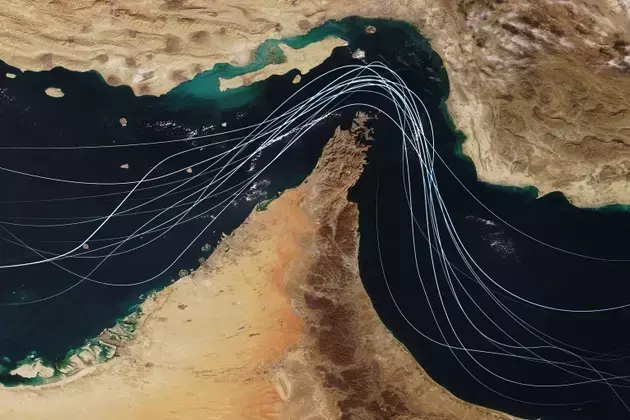
The Strait of Hormuz, a narrow waterway crucial for global oil shipments, is currently facing significant restrictions imposed by Iran. This situation has sparked concerns about its widespread implications for global economies and energy markets. This analysis delves into the underestimated impact of these restrictions, particularly on Asian countries, and explores the broader economic repercussions.
Navigating Uncertainty: Understanding the Strait of Hormuz Crisis
The Underestimated Impact of Hormuz Restrictions
The current market sentiment may be significantly underestimating the true magnitude of disruption stemming from the restrictions imposed in the Strait of Hormuz. While attention often focuses on immediate oil price fluctuations, the broader economic and logistical consequences could be far more extensive than anticipated.
Disproportionate Impact on Asia: A Deep Dive
Restrictions in the Strait of Hormuz have a particularly severe and asymmetric impact on Asian nations. Countries like Japan and India, heavily reliant on energy imports through this vital chokepoint, face unique challenges that other regions might not experience to the same degree. This regional disparity highlights the intricate web of global energy dependencies.
The Ripple Effect: Beyond Immediate Oil Prices
The ramifications of the Hormuz crisis extend far beyond a simple rise in oil prices. A complex chain of secondary effects is unfolding, including increased insurance premiums for maritime shipping, heightened safety concerns for crew members, and delays in the transport of liquefied natural gas (LNG). These factors collectively contribute to significant logistical bottlenecks and pronounced regional price distortions, especially across Asian markets. Such a multifaceted impact necessitates a comprehensive understanding of the crisis's breadth.
