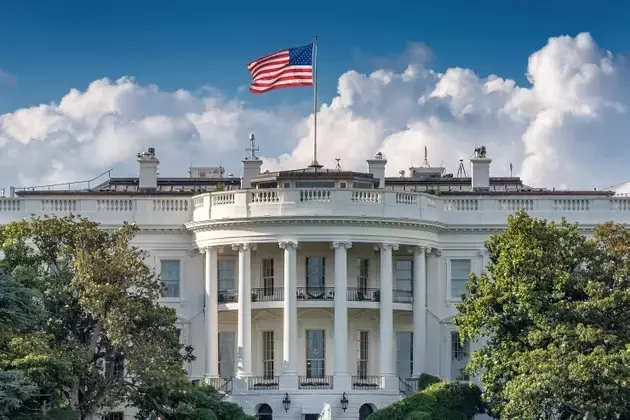
The Trump Administration is moving towards Section 301 tariffs, targeting countries for alleged child labor, a strategic pivot after facing Supreme Court setbacks on reciprocal tariffs. This new approach offers a more solid legal foundation and greater executive flexibility, suggesting that these tariffs will be more enduring and less susceptible to immediate legal challenges. Although market disruption is anticipated, it may be less severe than in previous instances, as investors have grown accustomed to tariff-related news. Nevertheless, decisions regarding supply chains and hiring remain complex and uncertain. The continued legislative gridlock means that executive-driven trade policies will likely remain a significant factor, potentially increasing economic instability if tariffs escalate or combine with existing economic challenges.
The Evolution of U.S. Trade Policy: From Reciprocal to Section 301 Tariffs
The Trump administration's trade policy is undergoing a significant transformation, shifting away from the contentious reciprocal tariffs that previously faced legal challenges, including setbacks at the Supreme Court. This strategic pivot involves a heightened focus on Section 301 of the Trade Act of 1974, a tool that grants the President broad authority to impose tariffs and other trade restrictions against countries engaged in unfair trade practices. This move is particularly aimed at nations allegedly involved in child labor, underscoring a new dimension in the administration's approach to global trade. This change in strategy aims to leverage Section 301's robust legal framework, which provides a more solid basis for imposing tariffs compared to previous methods. The administration seeks to establish tariffs that are more durable and less vulnerable to immediate legal scrutiny, thereby ensuring greater consistency and impact in its trade enforcement efforts. This adaptation reflects a determination to maintain pressure on trade partners while navigating domestic and international legal landscapes.
This reorientation of trade policy is a direct response to the legal obstacles encountered with earlier tariff strategies, prompting a search for more resilient mechanisms. Section 301 provides the President with considerable discretion to address perceived unfair trade practices, enabling a more direct and less constrained application of trade measures. By focusing on issues such as child labor, the administration is also signaling a shift towards trade policies that incorporate broader ethical and human rights concerns, potentially reshaping international trade norms. The implications of this strategic shift are far-reaching, not only for targeted countries but also for global supply chains and international trade relations. Businesses and industries will need to adapt to this evolving trade environment, characterized by an increased likelihood of targeted tariffs based on specific criteria. The emphasis on Section 301 signifies a more assertive and legally fortified approach to trade enforcement, designed to withstand legal challenges and achieve the administration's trade objectives more effectively.
Anticipating Market Reactions and Economic Implications Amidst Shifting Trade Strategies
The transition to Section 301 tariffs is expected to introduce a degree of market turbulence, though the severity of this disruption might be tempered by investors' increasing familiarity with recurring tariff-related news. Over time, markets tend to develop a certain "immunity" to such announcements, leading to more muted reactions compared to initial episodes of trade tensions. However, this does not diminish the underlying uncertainty that businesses face, particularly concerning supply chain adjustments and hiring decisions. Companies are compelled to continuously re-evaluate their global sourcing strategies and production locations, a complex undertaking made more challenging by unpredictable trade policies. The potential for tariffs to escalate or combine with existing economic pressures, such as inflation or geopolitical instability, further complicates strategic planning and investment decisions across various sectors. This environment of sustained unpredictability necessitates agile and adaptive business models to mitigate potential risks and capitalize on emerging opportunities.
The persistent congressional gridlock plays a crucial role in perpetuating executive-driven trade policies, as legislative inaction empowers the executive branch to act unilaterally on trade matters. This dynamic ensures that trade policy remains a potent tool in the President's arsenal, albeit one that contributes to economic uncertainty. The lack of a clear, bipartisan legislative framework for trade means that policies can shift abruptly with changes in administration or strategic priorities, making long-term planning difficult for businesses. Should these Section 301 tariffs intensify or intersect with other economic challenges, the potential for broader economic disruption is considerable. This scenario underscores the critical need for businesses to enhance their resilience and diversify their operations to withstand potential trade shocks. The ongoing evolution of trade policy, driven by executive action and global economic factors, will continue to shape the international business landscape, demanding constant vigilance and strategic flexibility from all stakeholders.
