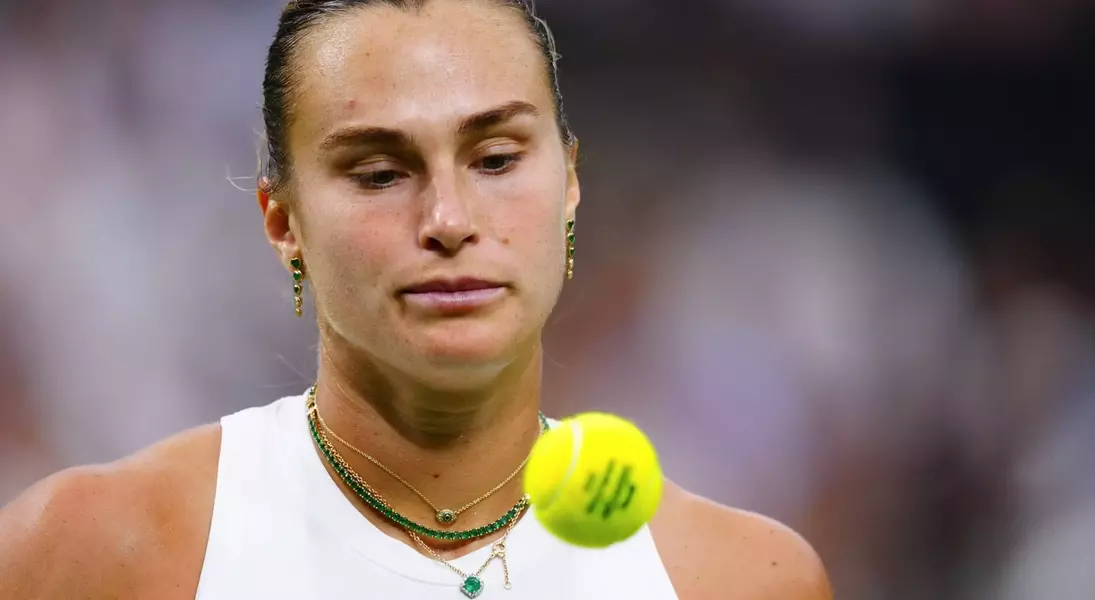
Maria Sharapova, a legendary figure in professional tennis, recently expressed her displeasure with a headline published by the Wall Street Journal concerning fellow player Aryna Sabalenka. The newspaper's approach to reporting on Sabalenka's training, particularly her practice sessions with elite male athletes, sparked widespread criticism within the tennis community. Sharapova's public statement highlighted a broader concern regarding the portrayal of female athletes in media, emphasizing the need for more thoughtful and respectful journalism that focuses on athletic prowess rather than potentially misleading narratives.
This incident underscores the ongoing dialogue about media representation in sports, urging outlets to move beyond sensationalism and towards an accurate and empowering depiction of athletes. The nature of the Wall Street Journal's headline, suggesting Sabalenka's need for male hitting partners was primarily due to her powerful game, ignited a debate about whether such framing truly celebrates her strength or subtly diminishes it by implying a gender-based hierarchy in training. It serves as a reminder that every word counts when shaping public perception of highly accomplished individuals like Sabalenka.
Media Scrutiny and Gendered Narratives in Sports Journalism
Former world number one Maria Sharapova openly criticized the Wall Street Journal over its choice of headline regarding current WTA world number one Aryna Sabalenka. The controversial headline, which suggested Sabalenka practices with male players because of her powerful hitting, drew significant backlash from various corners, including prominent figures within the sport. This reaction underscores a growing sensitivity towards how female athletes are depicted in mainstream media, particularly when it comes to narratives that might inadvertently diminish their achievements or imply limitations based on gender.
The specific wording of the headline sparked debate among fans and fellow athletes alike, who viewed it as an unhelpful and even demeaning characterization of Sabalenka's rigorous training regimen. By focusing on the gender of her practice partners in such a manner, critics argue that the Wall Street Journal missed an opportunity to highlight Sabalenka's dedication, strategic choices, and the intensity required at the highest levels of professional tennis. Sharapova's swift response on social media, urging the publication to "do better," resonated deeply with those advocating for more equitable and accurate sports reporting.
Sabalenka's Training Philosophy and Peer Endorsement
Aryna Sabalenka, known for her formidable power on the court, has openly shared insights into her training methodology, including her strategic decision to practice with top male players. These sessions, featuring Grand Slam champions like Novak Djokovic and world number one Jannik Sinner, are not merely about handling her powerful groundstrokes but are integral to her continuous improvement and competitive edge. Sabalenka herself has stated that hitting with male counterparts introduces a different level of intensity and allows her to learn and adapt from their distinct playing styles, thereby significantly enhancing her own game.
Her deliberate choice to engage with male professionals for training underscores a commitment to pushing her boundaries and evolving as an athlete. This practice is not uncommon among elite tennis players seeking diverse challenges and higher intensity drills. The benefit derived from such high-caliber practice partners is mutual, fostering a challenging environment that contributes to the overall development of all involved. Therefore, framing these intelligent training decisions in a way that suggests a remedial need for male partners, rather than a strategic pursuit of excellence, misrepresents Sabalenka's calculated approach to her career progression and her pursuit of further Grand Slam success at events like Wimbledon.
