In the high-stakes realm of professional tennis, where relentless competition and constant travel define a player's existence, the conversation around mental health has gained significant traction. Elite athletes, once perceived as invulnerable machines, are now openly discussing the immense psychological burdens they face. This shift highlights a growing understanding that sustained success in such a demanding environment necessitates a proactive approach to mental well-being, moving beyond mere physical conditioning to embrace holistic self-care.
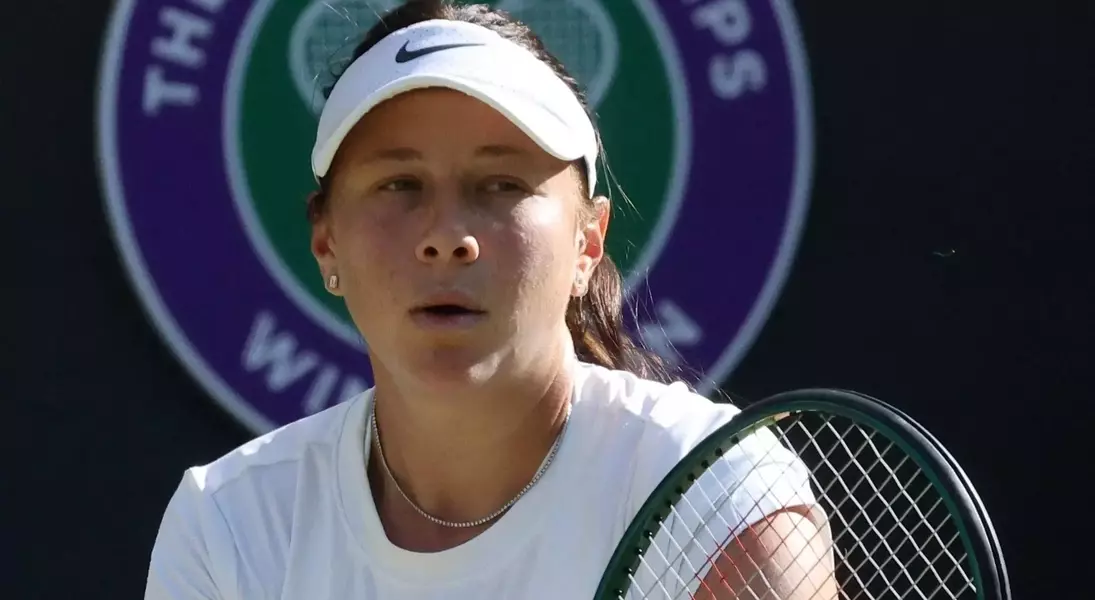
Amanda Anisimova, a talent who reached the French Open semi-finals at just 17, courageously stepped away from the sport in 2023. Despite her early promise, the overwhelming pressure led to burnout and profound mental health struggles, rendering her presence at tournaments unbearable. Her break from tennis was comprehensive; she avoided her racquet for months, instead focusing on personal interests, spending time with loved ones, and even pursuing university studies in person. This deliberate disengagement allowed her to rediscover her passion for the game, demonstrating that a strategic pause can be crucial for an athlete's longevity and performance. Now, on the cusp of a Grand Slam final, Anisimova attributes her resurgence to this period of introspection and self-care, underscoring the vital importance of heeding one's inner signals.
The experiences of other prominent figures within the tennis world echo Anisimova's journey. Andrey Rublev, for instance, has candidly spoken about his use of psychology to manage overwhelming anxiety and stress related to his career. He has reshaped his perspective on winning a Grand Slam, recognizing that such an achievement, while significant, would not fundamentally alter his life. This philosophical adjustment illustrates a deeper understanding of the interplay between personal identity and professional pursuit, crucial for navigating the sport's intense demands. Similarly, Matteo Berrettini has described the emotional weight of competing, particularly when battling injuries, while Alexander Zverev confessed to a profound lack of joy, both on and off the court, emphasizing a feeling of emptiness despite his achievements. These candid disclosures from male players further normalize the discussion around mental health in a traditionally stoic sporting culture.
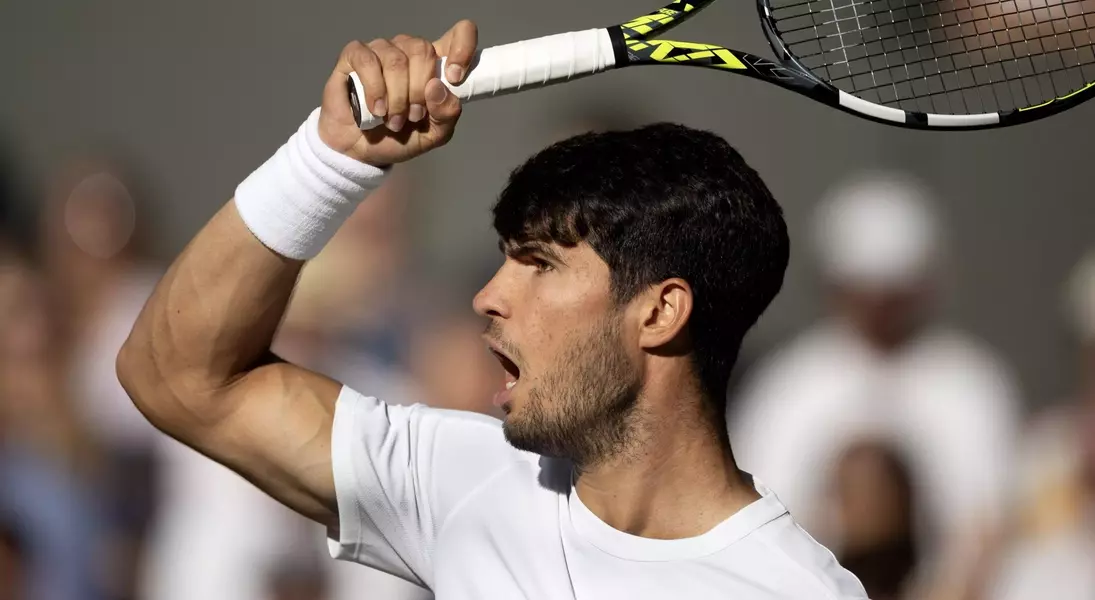
The concept of balance and self-preservation extends beyond dealing with crises. Five-time major winner Carlos Alcaraz actively strives to maintain an enjoyable relationship with tennis, seeing it as a source of fun rather than an oppressive obligation. His ability to smile and find humor even during challenging matches, coupled with his willingness to take refreshing breaks like trips to Ibiza, reflects a conscious effort to keep the passion alive and prevent the sport from consuming his entire identity. Madison Keys, an Australian Open champion, found solace and perspective through general therapy, distinguishing it from sport-specific psychological support. She learned to decouple her self-worth from her performance on the court, understanding that her identity extends far beyond being just a tennis player. This separation allowed her to approach tennis with greater ease and less pressure. Aryna Sabalenka, after five years of working with a therapist, now considers herself her 'own psychologist,' advocating for open communication with her team and a non-judgmental environment. These collective narratives underscore a vital message: mental resilience in professional sports is not about enduring hardship silently, but actively seeking strategies and support systems to foster a healthy, sustainable career and personal life.
The narratives of these athletes collectively paint a picture of a sport grappling with the profound pressures its participants endure. The continuous cycle of tournaments, coupled with the psychological toll of winning and losing, online scrutiny, and identity wrapped solely in athletic performance, necessitates greater awareness and support for mental well-being. By taking breaks, seeking professional help, and fostering strong support networks, these players are setting a powerful precedent for future generations, demonstrating that true strength encompasses both physical prowess and psychological fortitude.
