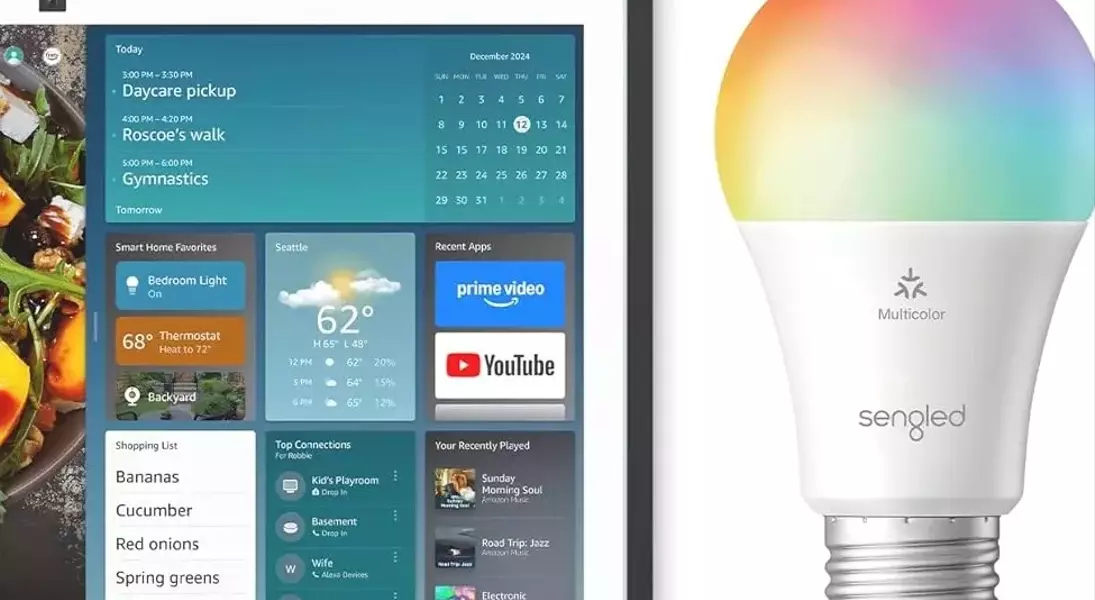
The recent removal of Sengled's Alexa Skill by Amazon serves as a stark warning regarding the inherent vulnerabilities of smart home ecosystems that depend entirely on cloud-based infrastructure. This development, triggered by recurrent and unresolved server disruptions that left numerous users unable to manage their smart lighting, highlights a critical flaw in such centralized systems. It reinforces the growing consensus within the industry that local control mechanisms, exemplified by emerging standards like Matter, are essential for ensuring device functionality and user autonomy in the smart home landscape.
Starting August 1st, Amazon's Works With Alexa program no longer supports Sengled's Alexa skill, which allowed users to control their LED lights, smart plugs, switches, and sensors through voice commands and automated routines. This decisive action by Amazon came after months of complaints from users experiencing severe disruptions, as confirmed by Amazon spokesperson Lauren Raemhild. She emphasized the high standards Amazon maintains for the Alexa experience and stated that Sengled's persistent outages, which remained unresolved, directly interfered with customers' ability to utilize their smart lighting effectively.
The lack of communication from Sengled regarding these widespread issues has only exacerbated customer frustration. Despite numerous attempts, The Verge has received no response from the company. This silence, coupled with the absence of any information about these problems on Sengled's official website, paints a bleak picture for the brand's future. For those who invested in Sengled's Wi-Fi-only bulbs, the situation is particularly dire, as these devices are now effectively isolated from Alexa and may soon lose functionality even within Sengled's own app, should its servers falter further. This unfortunate scenario underscores a recurring theme in the smart home sector: the demise of companies and their products when their cloud-reliant business models become unsustainable. Past examples include Belkin's WeMo, iHome, Revolv, Staples Connect, and Lowe's Iris, all of which faced similar fates due to their dependence on centralized servers.
However, there is a silver lining for owners of Sengled bulbs that utilize local protocols such as Zigbee, BLE Mesh, or Matter. These bulbs can still function with Alexa-enabled devices like Echo speakers or Eero Wi-Fi routers, often requiring a simple re-setup. Furthermore, Zigbee bulbs can be integrated with third-party hubs like Home Assistant or Hubitat, providing an alternative pathway for control. This distinction between Wi-Fi and local protocol devices is crucial, as locally controlled devices bypass the need for external servers, making them more resilient to company shutdowns or service interruptions.
This ongoing saga with Sengled vividly illustrates why consumers should prioritize smart home devices offering local control. Such devices operate directly within the home network, reducing reliance on external servers and enhancing speed and reliability. The Matter standard, a collaborative effort by major tech players like Apple, Amazon, Google, and Samsung, represents a significant step forward in this regard. Built on local protocols, Matter enables devices to communicate directly with a Matter controller in the home, ensuring functionality even without an internet connection or if a manufacturer's server goes offline. While Matter ecosystems can connect to the cloud for remote access and voice assistant integration, this is an optional layer, not a fundamental requirement for operation.
The industry's embrace of Matter, along with other local control protocols like Zigbee and Z-Wave, signifies a broader shift towards more robust and future-proof smart home solutions. This move away from proprietary cloud-dependent systems is vital for safeguarding consumer investments and fostering a truly reliable smart home experience. The experience with Sengled serves as a powerful reminder: while cloud services offer convenience, true resilience in a connected home comes from embracing local control.
