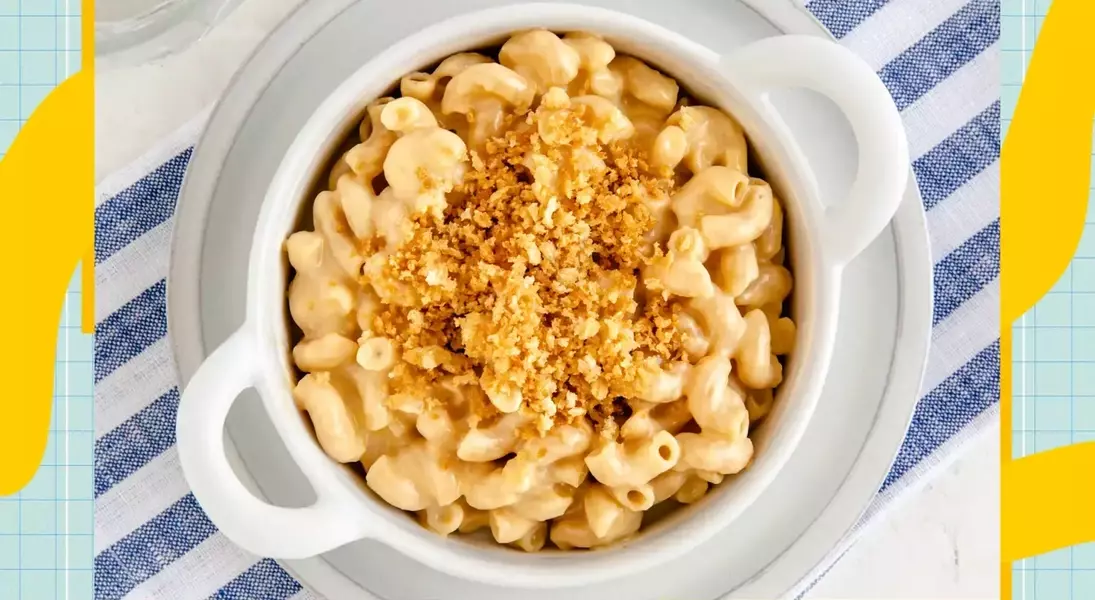
This article unveils a culinary secret passed down through generations: the indispensable role of Dijon mustard in crafting the perfect macaroni and cheese. Beyond its flavor, Dijon mustard serves as a crucial emulsifying agent, ensuring a consistently smooth and lump-free cheese sauce. Its subtle tanginess beautifully counteracts the richness of the dairy and pasta, elevating the dish to new heights of deliciousness. The author emphasizes the importance of proper integration and offers guidance on selecting the right cheese and mustard brands to achieve an exceptional homemade mac and cheese experience.
The Culinary Alchemy: Dijon Mustard in Macaroni and Cheese
In a heartwarming tale of home cooking, the author shares a cherished family tradition involving the humble yet powerful Dijon mustard. Their mother, a busy but enthusiastic cook, always incorporated this distinctive condiment into her macaroni and cheese, a practice that proved to be a stroke of culinary genius. This particular mustard, a blend of ground seeds and either white wine vinegar or verjus (the juice of unripe grapes), possesses unique emulsifying properties. This means it helps oil and water-based ingredients combine smoothly, preventing separation in the cheese sauce, a common challenge in many recipes. The author recalls observing their mother meticulously whisking the mustard into the milk before adding it to the roux—a mixture of fat and flour—and finally incorporating the shredded cheese. This method ensured a velvety, uniform consistency. Beyond its textural benefits, Dijon mustard introduces a bright, tangy note that cuts through the inherent richness of the cheese and pasta, preventing the dish from becoming overly heavy or cloying. The author recommends starting with a small amount, perhaps a teaspoon, and gradually adding more until the desired balance of tartness and complexity is achieved. The choice of cheese, while variable, often leaned towards extra-sharp Cheddar or melty Alpine varieties like Gruyère or raclette, all of which complement the mustard beautifully. For those seeking authentic flavor, the article advises opting for French Dijon mustard brands with minimal ingredients, such as Maille, Fallot, or Pommery, noting that American versions like Grey Poupon may contain additional components. This simple addition transforms a classic comfort food into a dish with remarkable depth and a wonderfully smooth texture.
This narrative serves as a delightful reminder that culinary innovation often stems from simple, thoughtful additions. The subtle yet significant role of Dijon mustard in mac and cheese highlights how a single ingredient can profoundly impact both texture and flavor. It encourages home cooks to experiment with pantry staples, to taste and adjust with an open mind, and to embrace the wisdom passed down through generations. Ultimately, it teaches us that even in the most familiar dishes, there's always room for a touch of magic that makes them truly extraordinary.
