

This comprehensive 7-day meal plan, designed by nutrition experts, offers a practical approach to managing high blood pressure through diet. Following the principles of the DASH (Dietary Approaches to Stop Hypertension) diet, it provides approximately 1,500 calories daily, with options to increase to 2,000 calories. Each day’s menu is carefully crafted to be low in sodium (below 1,500 mg, as recommended by the American Heart Association), while being rich in potassium, protein (at least 64g), and fiber (at least 30g). This plan prioritizes whole foods like fruits, vegetables, whole grains, and lean proteins, aiming to support heart health, aid in weight management, and reduce the risk of hypertension-related complications such as kidney disease, heart disease, and stroke. By focusing on nutrient-dense meals and mindful eating, this plan offers a flavorful and sustainable way to adopt healthier dietary habits.
A Week of Heart-Healthy Eating: A Detailed Meal-by-Meal Guide for Blood Pressure Control
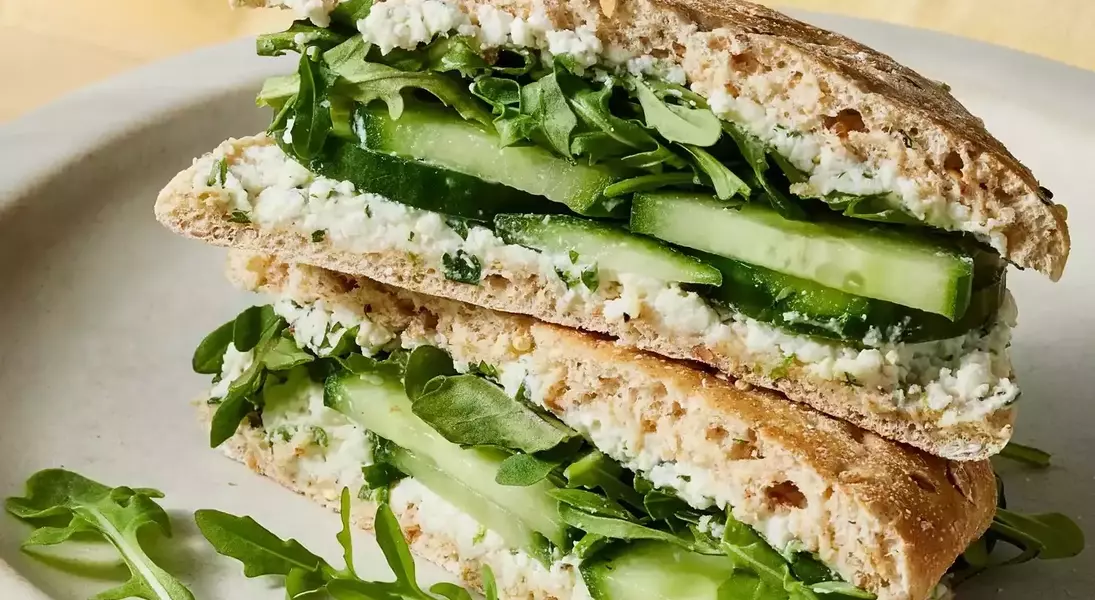
Day 1: Begin your week with a nutritious breakfast of yogurt and cherries, followed by a morning snack of bell pepper slices and hummus. Lunch features a refreshing cucumber sandwich paired with edamame and an apple. For an afternoon boost, enjoy a banana with almond butter. Dinner concludes the day with grilled salmon and vegetables served alongside quinoa. Daily totals for this day are approximately 1,488 calories, 59g fat, 94g protein, 158g carbohydrate, 33g fiber, and 970mg sodium. For a 2,000-calorie intake, increase almond butter to 3 tablespoons, add a Greek salad with avocado to dinner, and include a peach as an evening snack.
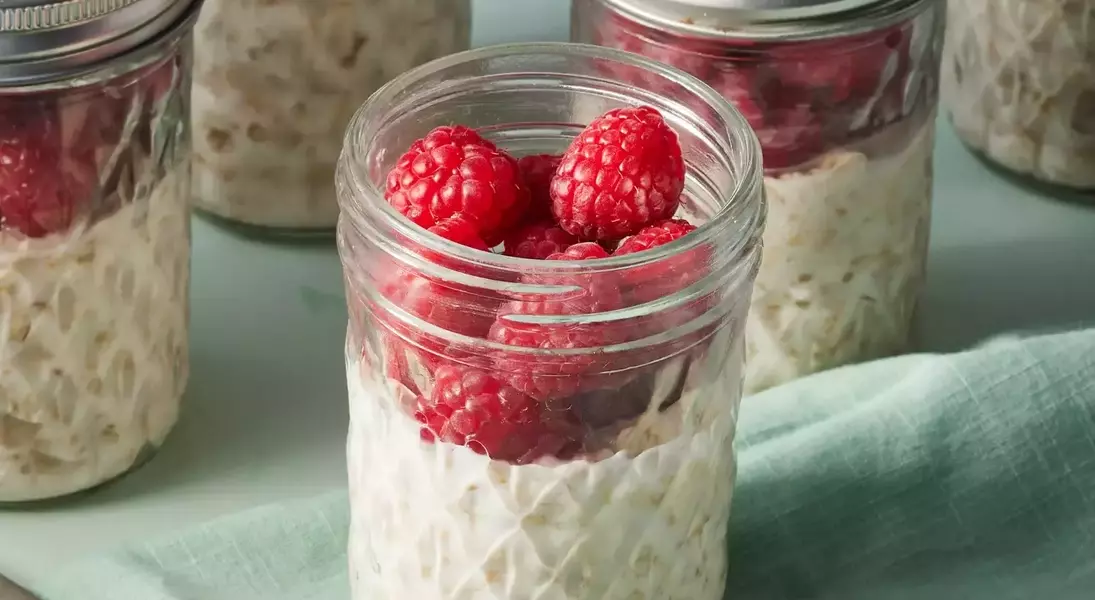
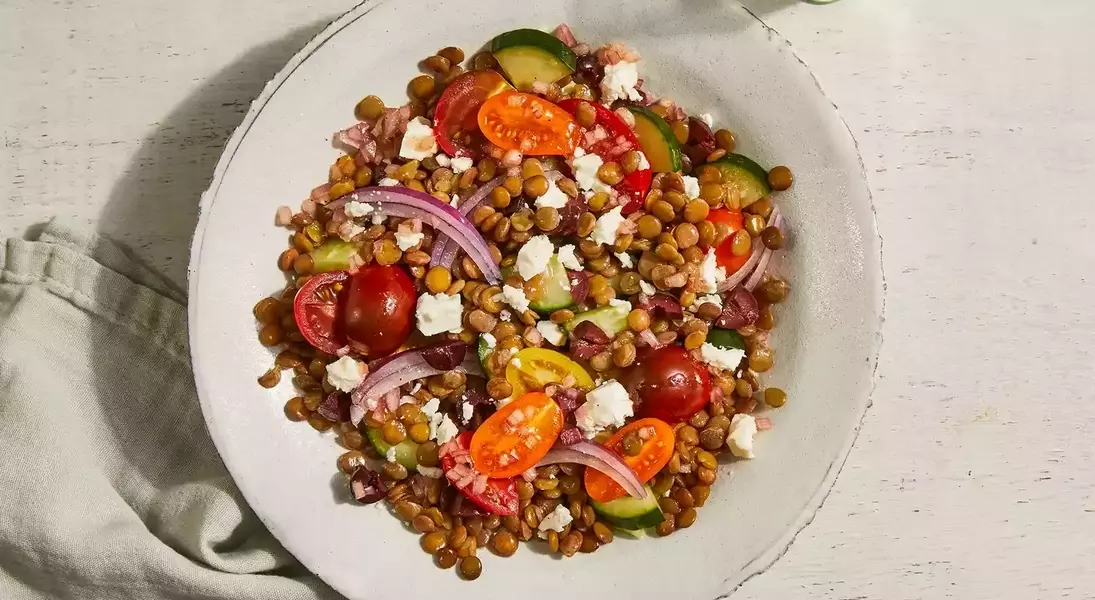
Day 2: Start with high-fiber raspberry-vanilla overnight oats, complemented by walnuts, and a morning snack of blackberries. Lunch includes a lentil salad with feta, tomatoes, cucumbers, and olives, accompanied by low-fat kefir. An afternoon snack of peanut butter and date granola bars keeps you energized. The day ends with quick chicken fajitas for dinner. Daily totals are about 1,493 calories, 59g fat, 69g protein, 187g carbohydrate, 30g fiber, and 1,284mg sodium. To reach 2,000 calories, add a quarter cup of unsalted dry-roasted almonds to the morning snack, a plum to lunch, and a guacamole chopped salad to dinner.
Day 3: Repeat the high-fiber raspberry-vanilla overnight oats with walnuts for breakfast. A morning snack consists of unsalted dry-roasted almonds. For lunch, enjoy lentil salad with feta, tomatoes, cucumbers, and olives, along with low-fat kefir. An afternoon snack of Greek-style yogurt and blueberries is planned. Dinner offers baked falafel, a marinated cucumber and tomato salad, and a whole-wheat pita. The daily intake is approximately 1,506 calories, 62g fat, 74g protein, 176g carbohydrate, 36g fiber, and 1,522mg sodium. For a 2,000-calorie plan, incorporate a pineapple green smoothie into breakfast, a banana for the morning snack, and 2 tablespoons of chopped walnuts for the afternoon snack.
Day 4: Breakfast is a pineapple green smoothie, followed by a morning snack of peanut butter and date granola bars. Lunch features the lentil salad with feta, tomatoes, cucumbers, and olives, paired with low-fat kefir. An apple serves as the afternoon snack. Dinner includes one-pan pork tenderloin with heirloom tomato and shallot confit, alongside brown rice. This day totals about 1,481 calories, 42g fat, 81g protein, 206g carbohydrate, 32g fiber, and 1,161mg sodium. To reach 2,000 calories, add two hard-boiled eggs to breakfast, and for the afternoon snack, include everything bagel avocado toast and 2 tablespoons of natural peanut butter.
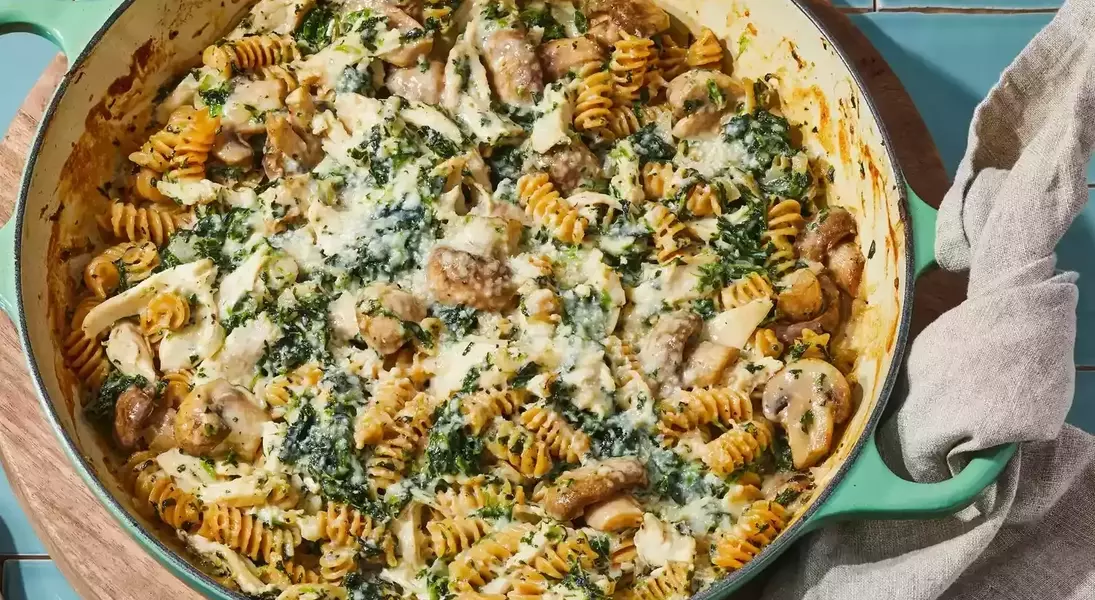
Day 5: Begin with high-fiber raspberry-vanilla overnight oats and walnuts for breakfast, and a banana for the morning snack. Lunch is the lentil salad with feta, tomatoes, cucumbers, and olives, and low-fat kefir. The afternoon snack consists of unsalted dry-roasted almonds. Dinner offers creamy chicken, mushroom, and spinach skillet casserole, served with a kale salad with balsamic and Parmesan. Remember to reserve two servings of the casserole for lunches on Days 6 and 7. Daily totals are around 1,518 calories, 76g fat, 64g protein, 160g carbohydrate, 30g fiber, and 1,393mg sodium. For 2,000 calories, add a pineapple green smoothie to breakfast and 2 tablespoons of natural peanut butter to the morning snack.
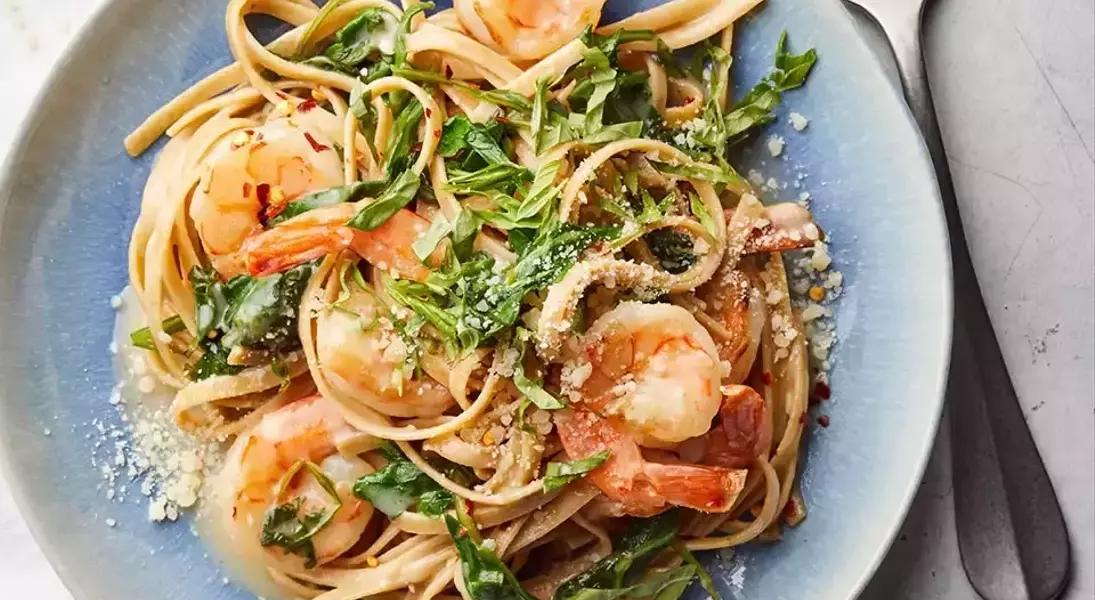
Day 6: Breakfast is high-fiber raspberry-vanilla overnight oats with walnuts. The morning snack features unsalted dry-roasted almonds and raspberries. Lunch utilizes a reserved serving of creamy chicken, mushroom, and spinach skillet casserole, along with a plum. An afternoon snack of blackberries and Greek-style yogurt is included. Dinner showcases creamy lemon pasta with shrimp. The daily nutritional intake is approximately 1,487 calories, 58g fat, 86g protein, 173g carbohydrate, 37g fiber, and 1,078mg sodium. For a 2,000-calorie plan, add a pineapple green smoothie to breakfast and a Caprese salad with cherry tomatoes to dinner.
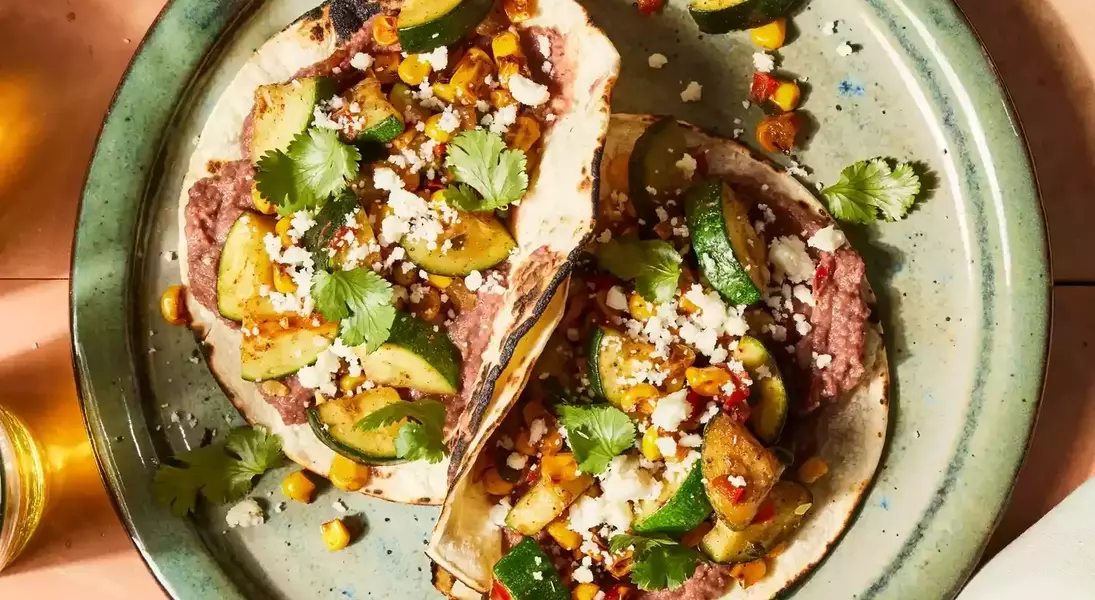
Day 7: Conclude the week with a pineapple green smoothie for breakfast. The morning snack is a peanut butter and date granola bar. Lunch features the remaining reserved creamy chicken, mushroom, and spinach skillet casserole, paired with a plum. An afternoon snack of Greek-style yogurt and blackberries is planned. Dinner offers vegetarian tacos with zucchini and corn, served with mixed greens and citrus vinaigrette. This final day totals about 1,523 calories, 52g fat, 71g protein, 213g carbohydrate, 36g fiber, and 1,506mg sodium. To achieve 2,000 calories, add a quarter cup of unsalted dry-roasted almonds to breakfast, a banana to the morning snack, and half an avocado, sliced, to dinner.
This meticulously planned diet offers a comprehensive and accessible pathway to healthier living for individuals seeking to manage their blood pressure. By prioritizing nutrient-dense foods and adhering to specific caloric and sodium guidelines, it not only addresses a critical health concern but also promotes overall well-being. The flexibility to adjust caloric intake and swap meals, while maintaining nutritional integrity, empowers individuals to personalize their health journey, making it a sustainable choice for long-term health. This diet emphasizes that proactive dietary choices, coupled with a focus on fiber and protein, can significantly contribute to preventing and managing hypertension, thus paving the way for a healthier, more vibrant life.
