Processed meats, though often tempting and flavorful, pose significant health risks due to their high content of nitrates, nitrites, sodium, and saturated fats. These components have been linked to an increased risk of heart disease and various cancers. However, embracing a healthier lifestyle doesn't mean sacrificing taste. This guide explores six delicious and nutritious alternatives that can replace your favorite processed meats, offering both flavor and substantial health benefits.
Discover Delicious & Healthy Swaps for Processed Meats
Processed meats, from the savory allure of breakfast bacon to the festive presence of hot dogs at a ball game, are a staple in many diets. Their characteristic flavors are achieved through methods like smoking, curing, salting, or adding preservatives such as nitrites and nitrates to extend shelf life. However, extensive consumption of these products has raised significant health concerns. Experts, including the American Institute for Cancer Research, suggest that consuming even small amounts of processed meat daily can substantially increase the risk of colorectal cancer. Furthermore, their high sodium and saturated fat content contributes to elevated blood pressure and an increased risk of heart disease. While occasional indulgence is not strictly forbidden, health authorities recommend minimizing their intake. The good news is that numerous delectable alternatives exist, allowing individuals to savor rich, satisfying flavors without the accompanying health drawbacks.
1. Embrace Plant-Based Sausages as a Flavorful Alternative
Plant-based sausages offer a fantastic substitute for traditional sausages, mirroring their familiar texture and seasoning but without the nitrates and lower levels of saturated fat. Crafted from plant proteins like soy or pea, blended with oils, starches, and spices, these alternatives typically avoid curing agents, though their sodium content can be comparable to conventional options. They are versatile for various dishes, perfect alongside scrambled eggs, mixed into pasta, or incorporated into sheet-pan dinners and grain bowls, providing a healthy and flavorful meal option.
2. Substitute Tofu Nuggets for Chicken Nuggets
Many chicken products, including nuggets, are often heavily processed. Tofu emerges as an excellent, protein-rich alternative, boasting approximately 22 grams of plant protein per half-cup and beneficial isoflavones for heart health. Tofu is quick and easy to prepare: simply cube, season, dust with cornstarch, and sauté for a crispy, healthy take on nuggets, offering a nutritious snack or meal component.
3. Opt for Grilled or Roasted Chicken Instead of Cold Cuts
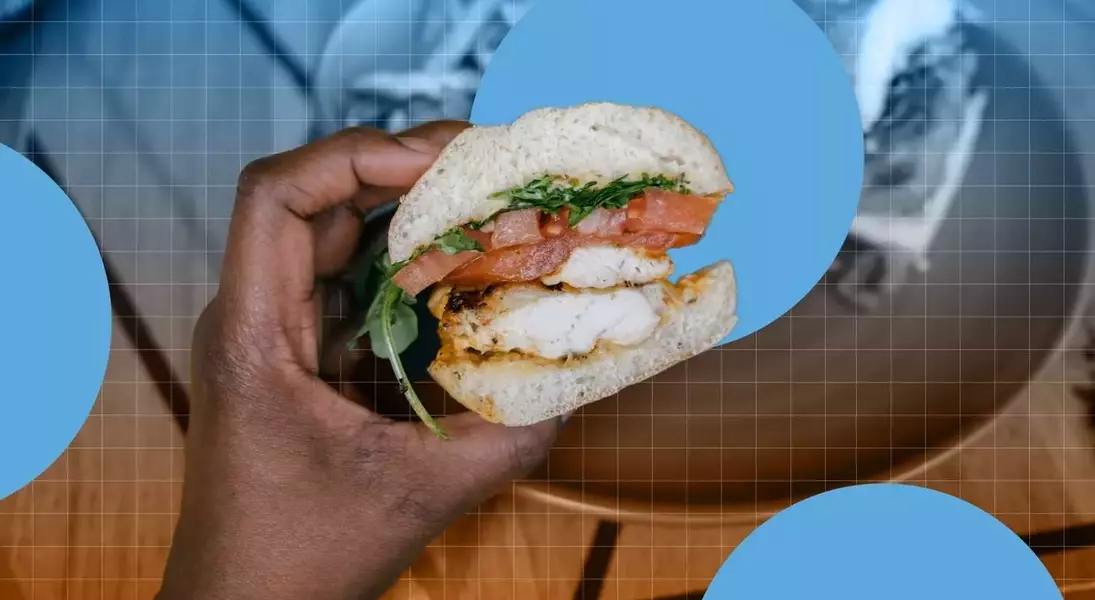
Even seemingly healthy turkey slices can contain nitrates. A superior choice for sandwiches and wraps is grilled or roasted chicken. Preparing your own poultry at home, slicing it thinly, and storing it for the week ensures a ready supply of lean protein for healthy meals, avoiding the preservatives found in deli cold cuts.
4. Choose Grilled Portobello Mushrooms Over Hot Dogs
Portobello mushrooms provide a hearty, umami-rich 'meatiness' that makes them an ideal substitute for hot dogs. When sliced and pan-seared, they offer a satisfying chew while being packed with nutrients like vitamins, minerals, and inflammation-fighting antioxidants, which also benefit gut health. Season them with paprika and garlic powder, serve in a toasted bun with spicy mustard and sauerkraut, and enjoy a nutritious twist on a classic favorite.
5. Flavor Your Meals with Spicy Ground Beef or Pork instead of Chorizo
For the smoky essence of chorizo without the processed elements, a homemade blend of lean ground beef or pork seasoned with smoked paprika, cumin, oregano, chili powder, garlic powder, and red-wine vinegar is perfect. This mixture adds a robust flavor to soups, empanadas, or sautéed greens. Alternatively, plant-based chorizo offers a convenient, nitrate-free option that retains the spicy flavor profile.
6. Select Vegetarian Baked Beans Over Pork and Beans
Beans are nutritional powerhouses, rich in fiber and plant protein, and nearly free of saturated fat. They are known to protect against weight gain, type 2 diabetes, and heart disease. While baked beans are a tasty way to increase bean intake, choosing vegetarian varieties over those with added pork is crucial. Canned pork, even if lean, is still a processed meat. Opting for meat-free baked beans ensures you reap the full health benefits without processed additives.
By incorporating these strategic substitutions into your diet, you can significantly reduce your intake of processed meats while still enjoying a diverse and flavorful culinary experience. Making informed choices about what we eat empowers us to take control of our health and well-being, proving that healthy eating can indeed be both delicious and satisfying.
In today's health-conscious world, the choices we make at the dinner table have profound implications for our long-term well-being. This report underscores a critical message: while processed meats offer convenience and flavor, their associated health risks, particularly heart disease and cancer, cannot be overlooked. The detailed exploration of healthier alternatives—from plant-based sausages to seasoned portobello mushrooms—serves as a powerful reminder that shifting dietary habits doesn't equate to a sacrifice of taste or culinary enjoyment. Instead, it opens doors to innovative, nutritious, and equally delicious possibilities. As a journalist covering health and nutrition, I find this particularly inspiring. It highlights the ingenuity of dietitians and food scientists in developing substitutes that mimic the sensory pleasures of processed foods while delivering superior nutritional profiles. This isn't just about avoiding the bad; it's about actively choosing the good and discovering a richer, more vibrant palette of flavors and textures that contribute positively to our health. The ease and accessibility of these swaps make them practical for everyday life, empowering individuals to make significant health improvements one meal at a time. It's a testament to the idea that with knowledge and a little creativity, healthy eating can be both fulfilling and preventative, offering a pathway to a longer, more energetic life.
