In the aftermath of devastating wildfires that swept through parts of California, a team of researchers embarked on a crucial mission. The recent fires have left a trail of destruction across thousands of acres and destroyed over 16,000 homes and buildings, with another 2,000 damaged. Amidst this devastation, the scientists are working tirelessly to understand the long-term health impacts on residents returning to their homes. By analyzing air, soil, and water quality in affected areas like Altadena and Pacific Palisades, they aim to provide much-needed guidance on safety measures for daily activities such as gardening, swimming, and outdoor exercise.
Mobile Laboratory Provides Critical Data on Environmental Quality
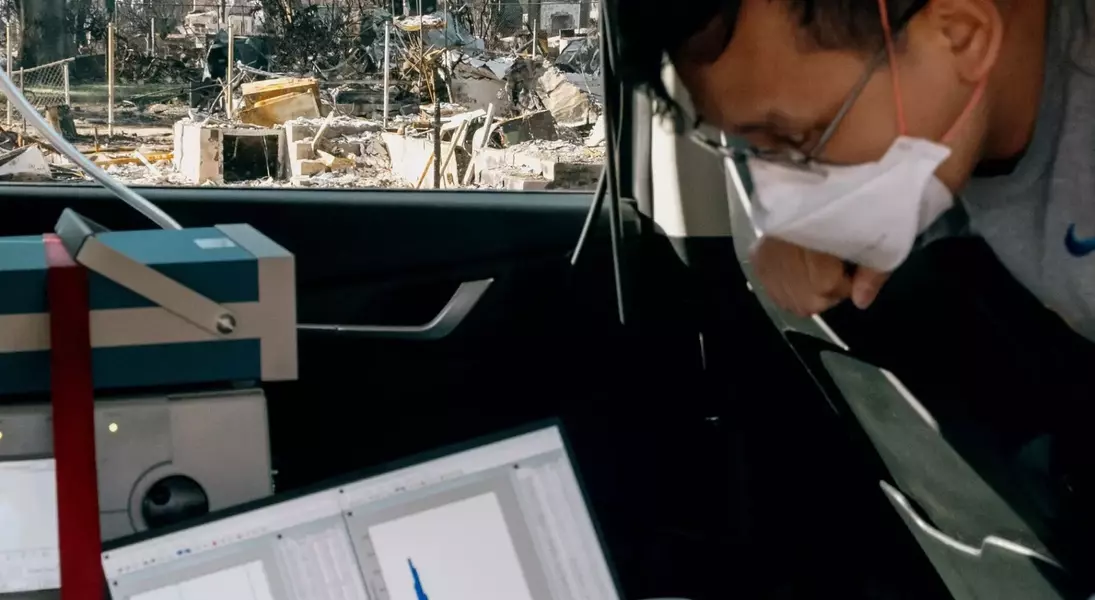
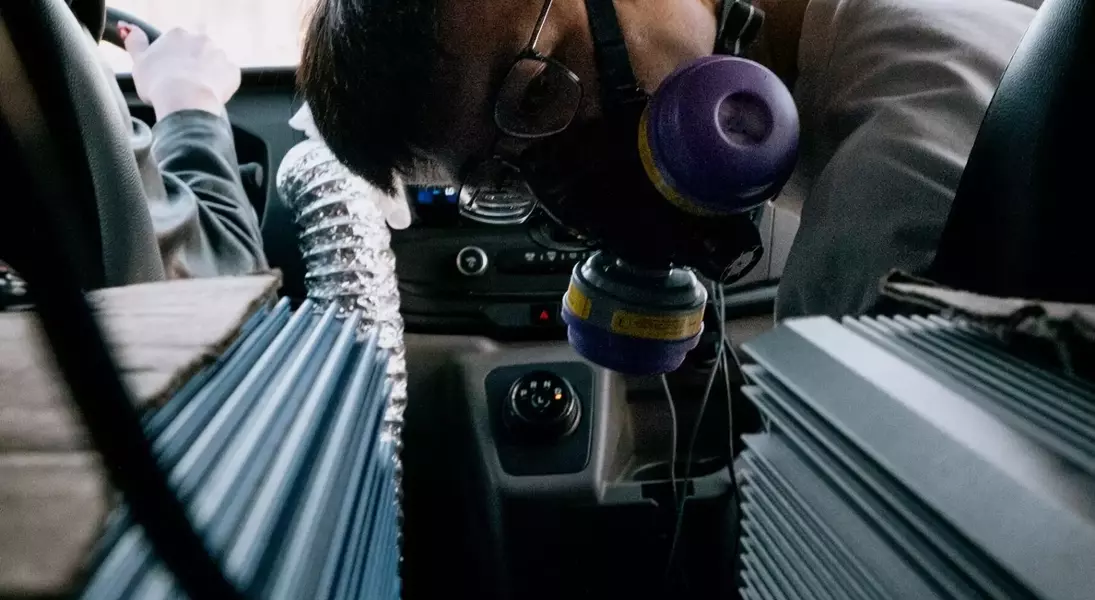
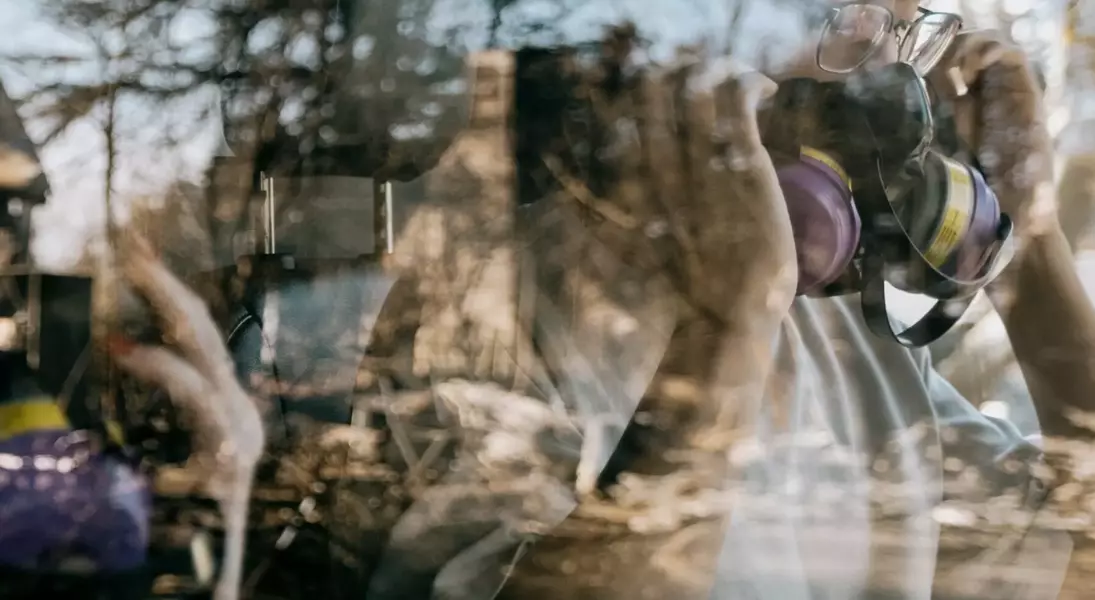
In the crisp, early days of February, a white Ford van navigated through the fire-scarred streets of Altadena, California. The scene was haunting—ash-covered yards and remnants of household items lay scattered among the ruins. Inside the van, Albert Kyi, a researcher from the University of Texas at Austin, focused intently on his laptop screen. Outside, an antenna jutted from the roof, collecting real-time data on hundreds of airborne compounds. This mobile laboratory was so sensitive that it could detect even the subtlest changes in the environment, including chemicals released by someone peeling a fruit nearby.
The research team's objective is ambitious: to conduct a decade-long study tracking the health effects of the Los Angeles wildfires. Covering nearly 38,000 acres across two burn zones, the project seeks to fill critical gaps in understanding how these disasters affect air, soil, and water quality. Despite what weather apps might suggest about air quality, the van's sophisticated instruments revealed concerning levels of pollutants. While the sky appeared clear and cyclists rode by, the data painted a different picture, highlighting the hidden dangers lurking in the environment.
For the thousands of residents returning home, this information is invaluable. Questions about the safety of everyday activities—whether it’s growing vegetables in backyards or going for a morning jog—are now being addressed with scientific rigor. The team's findings will help guide residents in making informed decisions as they rebuild their lives amidst the ashes.
From a journalist's perspective, this initiative underscores the importance of comprehensive environmental monitoring after natural disasters. It reminds us that while visible damage can be assessed quickly, the unseen risks require sustained attention and research. The work of these scientists not only aids recovery efforts but also sets a precedent for future disaster response strategies.
