


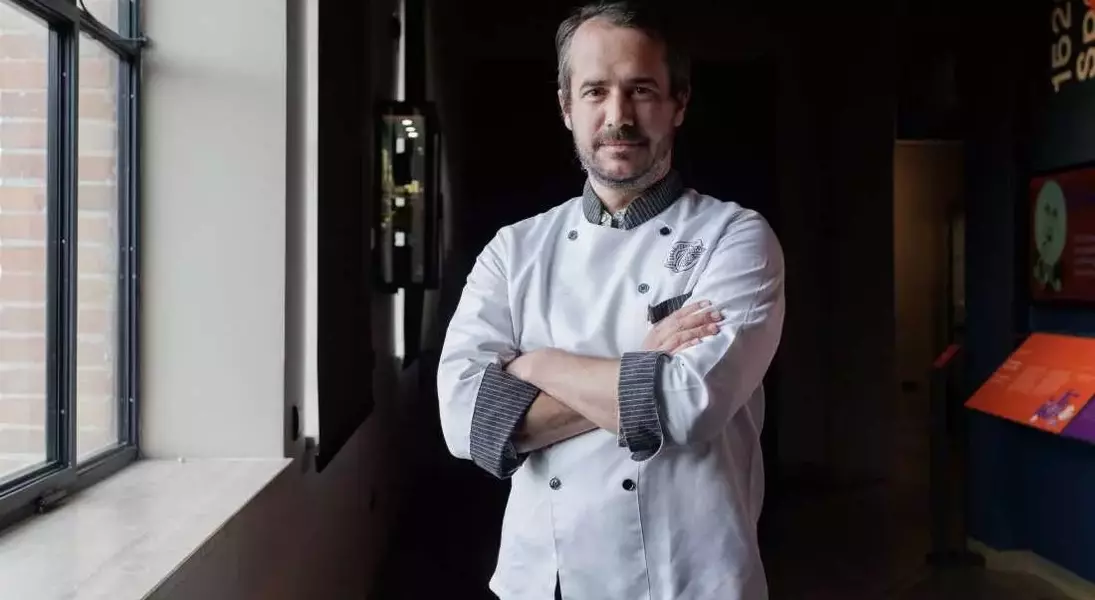
In Rome, a dedicated laboratory has become a pivotal hub for establishing global benchmarks in cacao quality evaluation. Julien Simonis, a distinguished chocolate scientist and the program manager for Cacao of Excellence, spearheads this initiative. His team meticulously assesses diverse cacao beans, such as those from Hawaii and Peru, identifying distinct flavor notes like vibrant acidity, fruitiness, nuttiness, and creamy textures. This systematic approach, developed and refined over years, fills a crucial gap in the chocolate industry, akin to the established protocols for wine and coffee, ensuring a consistent and comparable evaluation method for the vast genetic variety of cacao.
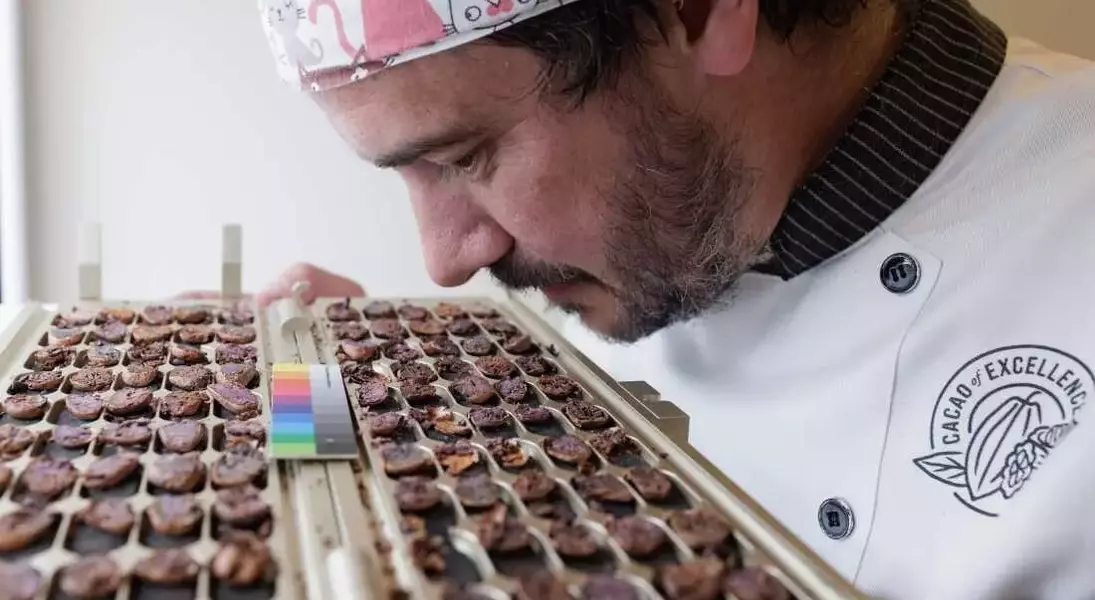
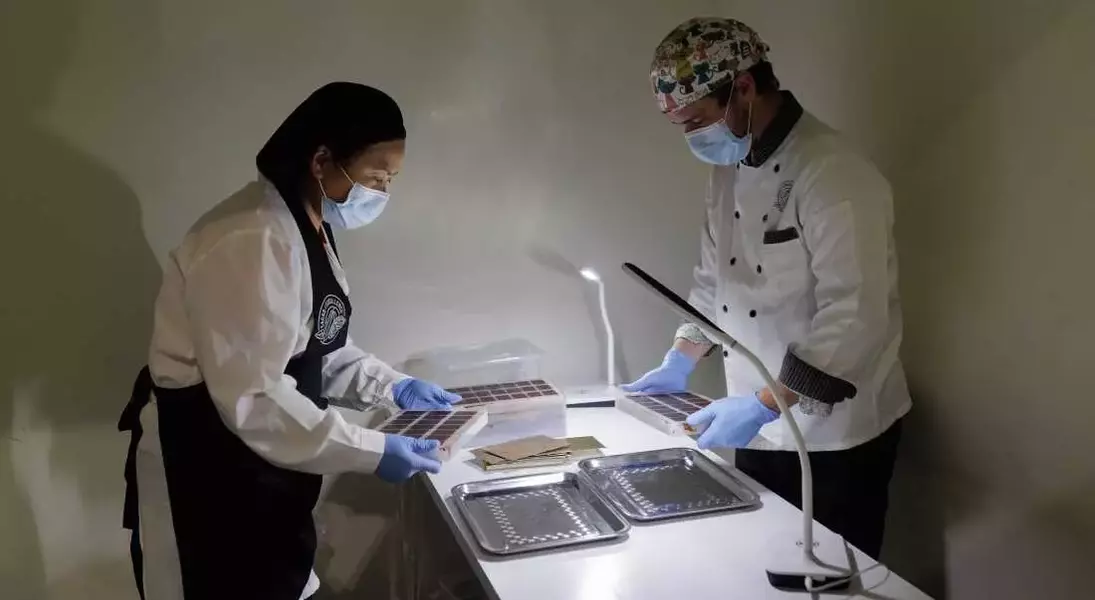
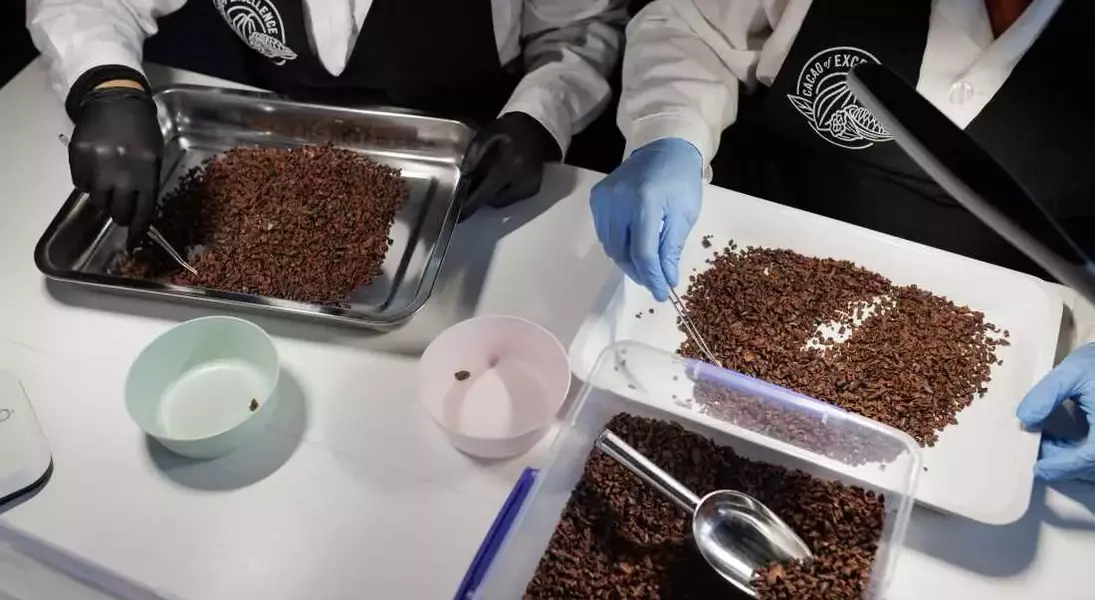
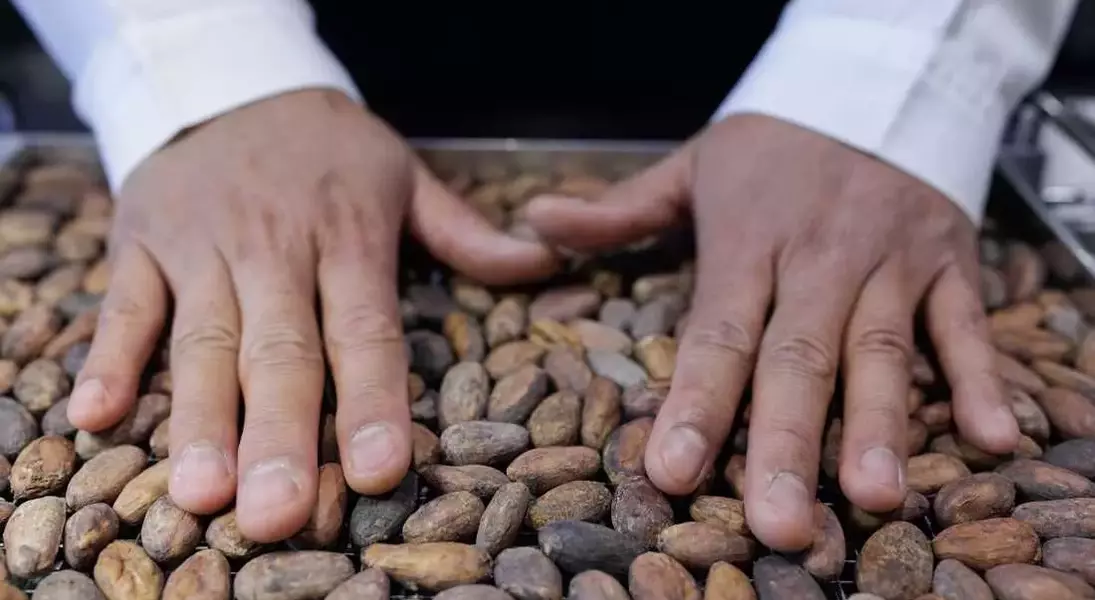
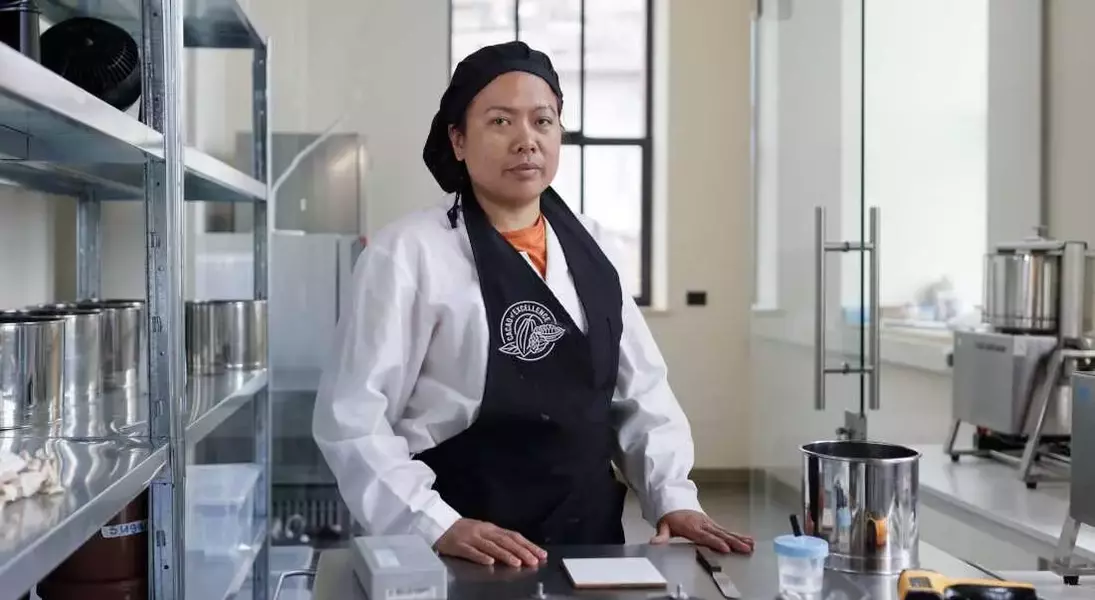
The meticulous process of cacao evaluation unfolds in a lab situated within Perugia's Chocolate Experience Museum. Lab assistant Julia Butac performs the initial rigorous sorting of beans, followed by precise halving to assess fermentation and detect aromatic potential. After roasting, the beans are processed into nibs, then mixed with sugar and cocoa butter before being molded into small chocolate bars. This comprehensive method not only elevates the quality of chocolate but also aims to improve the livelihoods of cacao farmers, many of whom operate in remote areas and face economic challenges. By providing a standardized language for discussing cacao quality, the program enables consumers to appreciate and pay more for superior products, directly benefiting producers like Roong Kumpan of TinTin Chocolate in Thailand and Rosaura Laura of Juan Laura farm in Peru, who have seen increased visibility and revenue.
The Cacao of Excellence program exemplifies how scientific rigor and dedication to quality can create a positive impact across an entire industry. By fostering a deeper understanding and appreciation for the nuanced flavors of cacao, this initiative not only elevates the craft of chocolate making but also empowers farmers by recognizing their efforts and providing tangible economic benefits. It underscores the transformative power of standardization in promoting fair trade, supporting sustainable practices, and ultimately enhancing the global chocolate experience for everyone involved.
