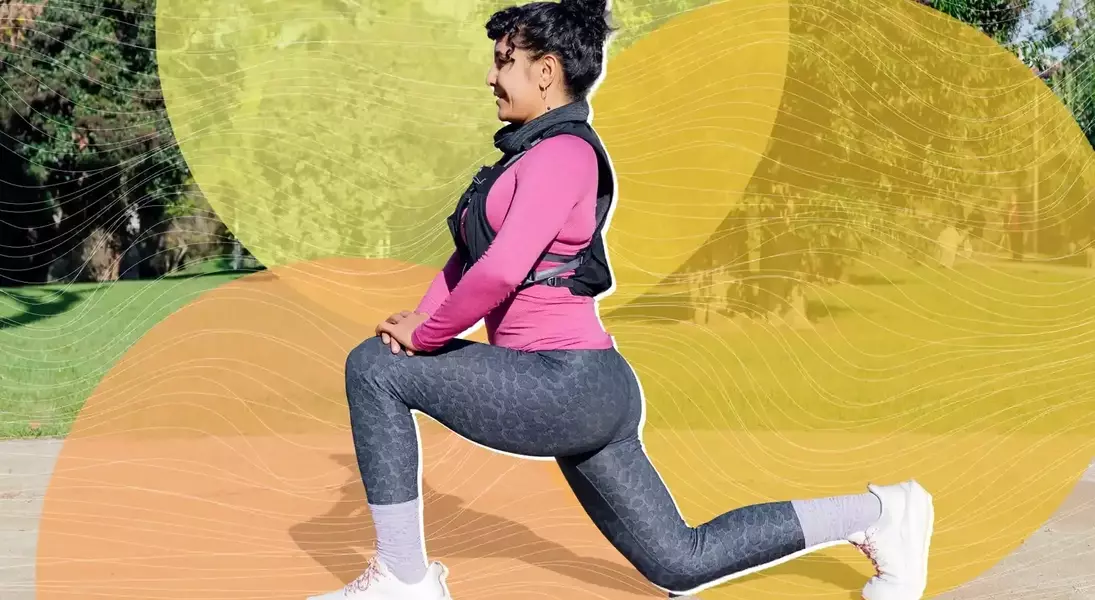
Weighted vests have emerged as a popular fitness tool, especially among menopausal women, for their potential to transform ordinary movements into effective workouts. These vests, often adjustable, allow users to incrementally add resistance, thereby boosting the intensity of activities ranging from daily chores to brisk walks. The scientific community has been exploring the tangible benefits of incorporating these vests into a fitness regimen, particularly how they can address specific health concerns prevalent during menopause, such as bone density loss and changes in body composition. This article delves into the expert-backed insights regarding the advantages of using weighted vests, outlining ideal usage scenarios, precautions, and complementary health strategies.
For menopausal women, maintaining physical well-being involves a multi-faceted approach. Weighted vests offer a unique way to enhance strength training, contributing positively to bone and muscle preservation. Beyond physical activity, a holistic strategy for health during menopause encompasses nutritional considerations, sufficient rest, and careful monitoring of bodily responses to exercise. Understanding the interplay between these elements can empower women to navigate this life stage with vitality and resilience.
The Advantages of Integrating Weighted Vests into Exercise Regimens
Incorporating weighted vests into an exercise routine offers significant advantages, particularly for menopausal women who often face challenges like bone density reduction and shifts in body composition. These vests provide a practical method to introduce resistance, transforming simple activities into opportunities for strength development. This resistance not only aids in stimulating bone growth and enhancing muscle strength but also supports a healthier metabolic rate, which can be crucial for weight management during menopause. The benefits extend to improving overall physical resilience and contributing to a more active and robust lifestyle.
The application of weighted vests can be a game-changer for bone and muscle health. As estrogen levels decline post-menopause, women experience an accelerated loss of bone mineral density, increasing the risk of osteoporosis. Experts highlight that weighted vests, by adding external load, compel the skeletal system to adapt and strengthen, thereby mitigating bone loss. This effect is further amplified when combined with a nutrient-dense diet, particularly one rich in protein, calcium, and vitamin D. Studies indicate that participants who consistently used weighted vests alongside a high-protein intake showed marked improvements in bone density and lean muscle mass. Furthermore, these vests can aid in maintaining a healthy body composition by preserving muscle and managing fat, a common concern for women during this period. For individuals new to exercise, weighted vests can augment muscle gain during various activities, making workouts more efficient and impactful.
Prudent Use and Alternative Health Strategies for Menopausal Women
While weighted vests offer compelling benefits, it's essential to approach their use with caution, considering individual health profiles and physical limitations. Not all activities are suitable for weighted vest use, and certain health conditions necessitate avoiding them altogether. Beyond the vests, a broader spectrum of health strategies remains vital for menopausal women, focusing on comprehensive well-being through balanced nutrition, regular physical activity, and adequate rest.
Despite the potential benefits, weighted vests are not universally suitable. It's crucial to start with a lighter vest, ideally no more than 5-10% of body weight, and gradually increase the load as strength improves. Individuals experiencing neck, shoulder, back, or hip pain should cease use immediately. High-impact exercises, such as running or jumping, are generally not recommended with weighted vests due to increased strain on joints and heightened injury risk, unless under professional supervision. Those with uncontrolled high blood pressure, severe respiratory conditions, pregnant women, post-surgery individuals, and those with balance issues, severe osteoporosis, or existing bone fractures should avoid weighted vests. Consulting a healthcare professional before beginning any new exercise regimen, especially one involving added resistance, is paramount. Complementary strategies for menopausal health include engaging in consistent, pain-free physical activity, incorporating resistance training to build muscle and bone density, increasing protein intake for muscle maintenance, ensuring adequate calcium and vitamin D for bone health, considering creatine supplementation for muscle and cognitive support, prioritizing quality sleep for hormone regulation, and consuming omega-3 fatty acids for cardiovascular and brain health.
