


Growing worries about microplastic intake have prompted experts to recommend straightforward kitchen adjustments. By substituting certain plastic items with safer alternatives, individuals can significantly lessen their exposure to microplastics. This guide, drawing insights from scientific professionals, focuses on five key areas where simple material changes can make a substantial difference in promoting a healthier culinary environment.
How to Reduce Microplastics in Your Kitchen: Expert-Recommended Swaps
In a world increasingly aware of the health implications of microplastics, various scientists are offering practical advice on how to mitigate exposure in daily cooking. Their collective wisdom emphasizes strategic replacements rather than a complete overhaul, focusing on items that frequently come into contact with heat or abrasion, thus increasing the likelihood of plastic leaching.
Cookware: From Nonstick to Durable Metals
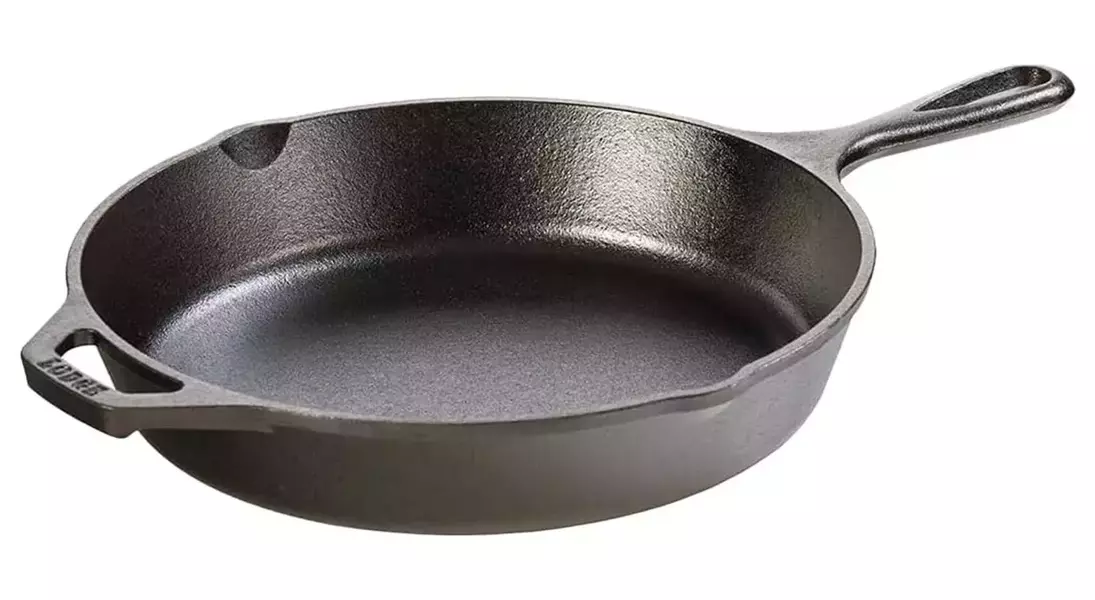
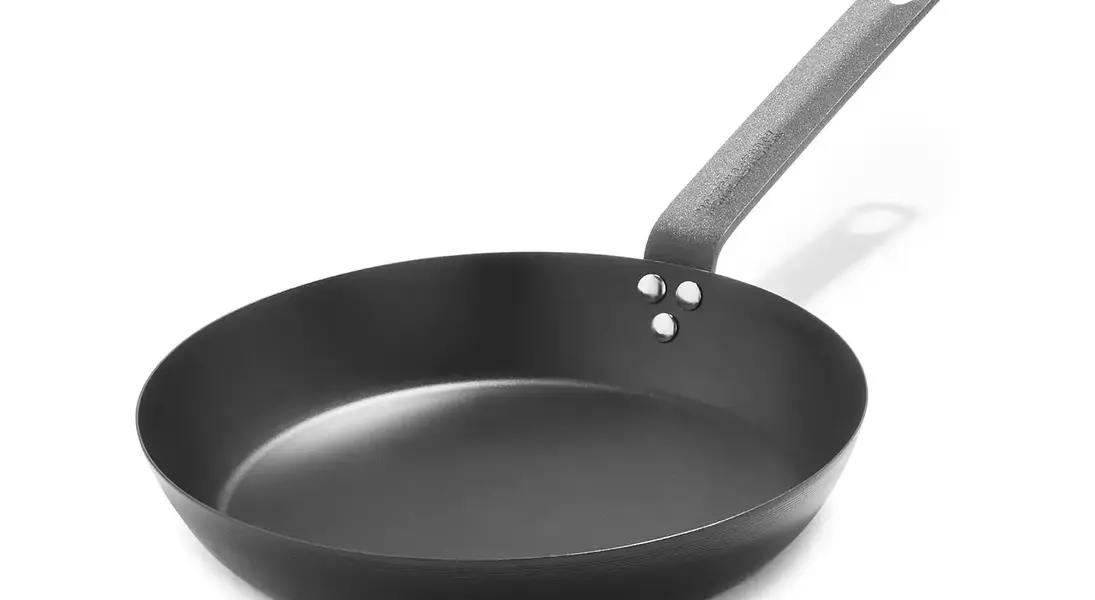
Anna Marie LaChance, a Chemical Engineering Lecturer at the University of Massachusetts Amherst, strongly advocates for ditching traditional nonstick pans. These pans, often coated with fluorinated polymers like PFAS (perfluoroalkyl and polyfluoroalkyl substances), are known to release toxic chemicals, especially when scratched by metal utensils. She recommends switching to cast-iron or carbon steel pans. Cast-iron pans, while heavier, develop a natural nonstick surface over time and are oven-safe, making them a versatile and durable choice. For those seeking a lighter alternative, carbon steel skillets offer similar heat retention and durability without the added weight, making them ideal for tasks from searing fish to sautéing vegetables. A popular choice for cast iron is the Lodge 10.25-Inch Cast-Iron Skillet, praised for its quality and performance. The Merten & Storck 10-Inch Black Carbon Steel Skillet offers a more accessible entry point to carbon steel, balancing cost with functionality.
Kitchen Linens: The Shift to Natural Fibers
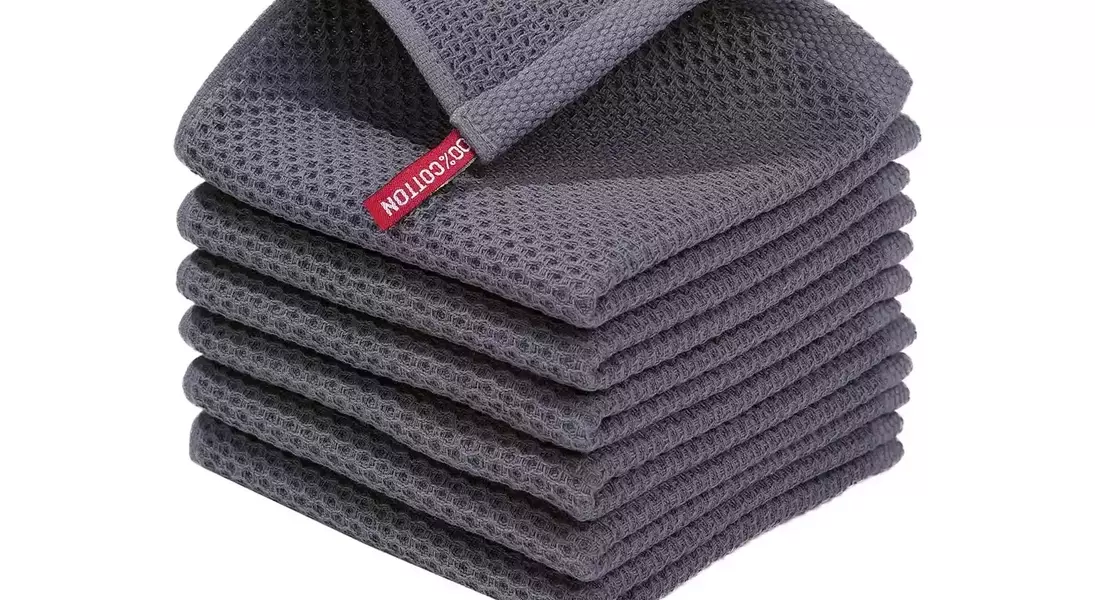
Megan Meyer, a science communications consultant with a Ph.D. in microbiology and immunology, highlights an often-overlooked source of microplastics: microfiber towels. These towels, made from synthetic fabrics like polyester and polyamide, shed significant amounts of microplastics during cleaning and washing. She points out that textiles contribute approximately 35% of the microplastic pollution in global oceans. Replacing them with natural fibers like cotton can drastically reduce this environmental impact. Cotton towels, such as the Homaxy Cotton Waffle-Weave Dish Towel Set, are not only environmentally friendlier but also highly absorbent and durable, making them excellent for kitchen use.
Food Preparation Surfaces: Wooden Over Plastic
Dr. Jennifer Brandon, an Environmental Scientist and Sustainability Consultant at Wild Beacon Consulting, along with former food research and development scientist Saee Pansare, stresses the importance of replacing plastic cutting boards. Studies indicate that cutting on plastic boards can shed up to 50 grams of plastic annually. The action of knives on plastic surfaces causes the release of microplastics directly into food. They suggest opting for durable wooden cutting boards, which are a safer and more sustainable option. The John Boos Chop-N-Slice Maple Cutting Board is a highly recommended, long-lasting choice due to its robustness and double-sided design.
Beverage Preparation: Rethinking Coffee Makers
Dr. Brandon also identifies plastic-pod coffee makers as a significant source of microplastic exposure. She notes that boiling water passing through plastic directly into your cup, coupled with the environmental issues surrounding non-recyclable pods, presents a double challenge. Her advice is to switch to standard coffee makers that bypass plastic pods entirely, thereby minimizing unnecessary exposure. The Cuisinart 14-Cup Programmable Drip Coffee Maker is cited as a top performer, consistently brewing flavorful coffee without the need for plastic pods.
Utensils: Safer Alternatives for Stirring and Flipping
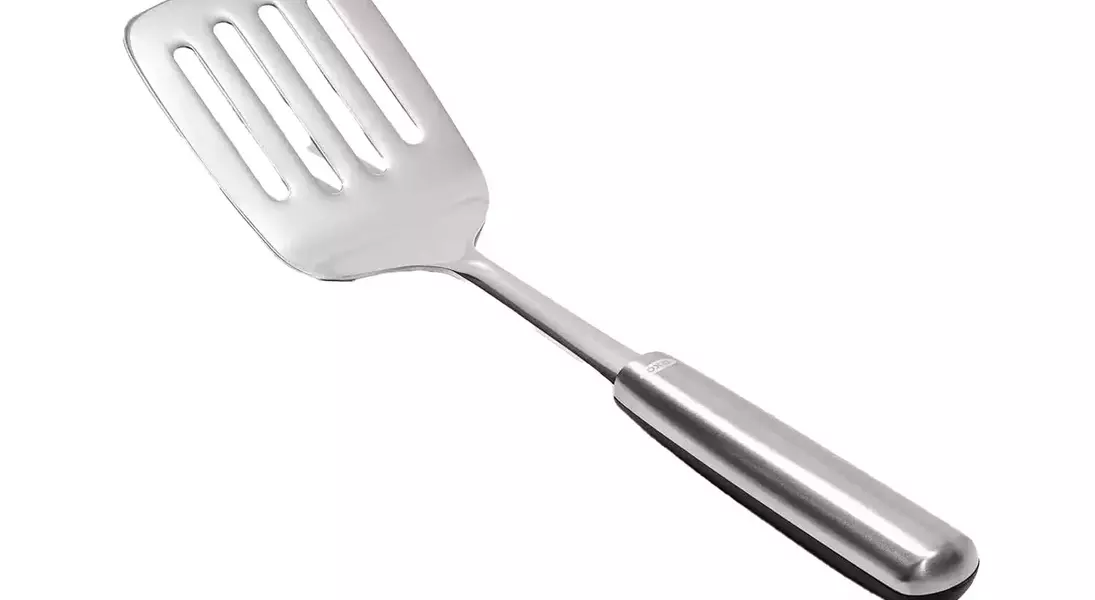
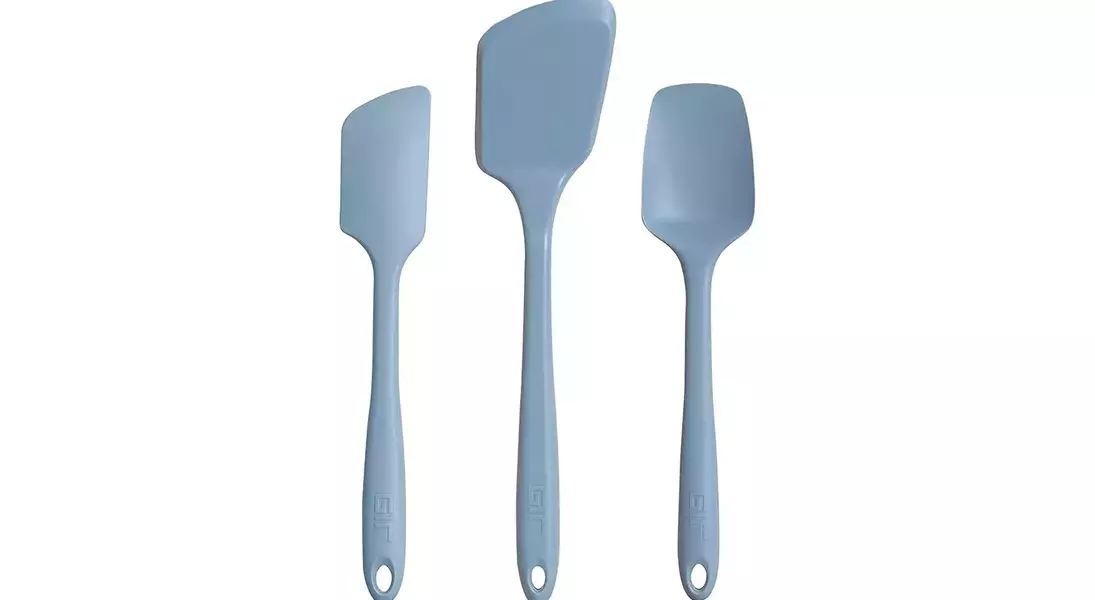
Dr. Lisa Erdle, an ecotoxicologist, microplastics expert, and Director of Science & Innovation at the 5 Gyres Institute, points out that plastic spatulas are problematic because they degrade and leach chemicals, especially when used at high temperatures. She has personally transitioned to silicone or stainless steel alternatives, which she finds safer and more durable. The OXO Stainless Steel Spatula is a simple yet effective choice for its classic design and utility in various cooking tasks. For those who prefer silicone, the GIR Silicone Spatula Set offers heat-resistant, easy-to-clean utensils in essential shapes and sizes for everyday cooking.
Drinkware: The End of Styrofoam
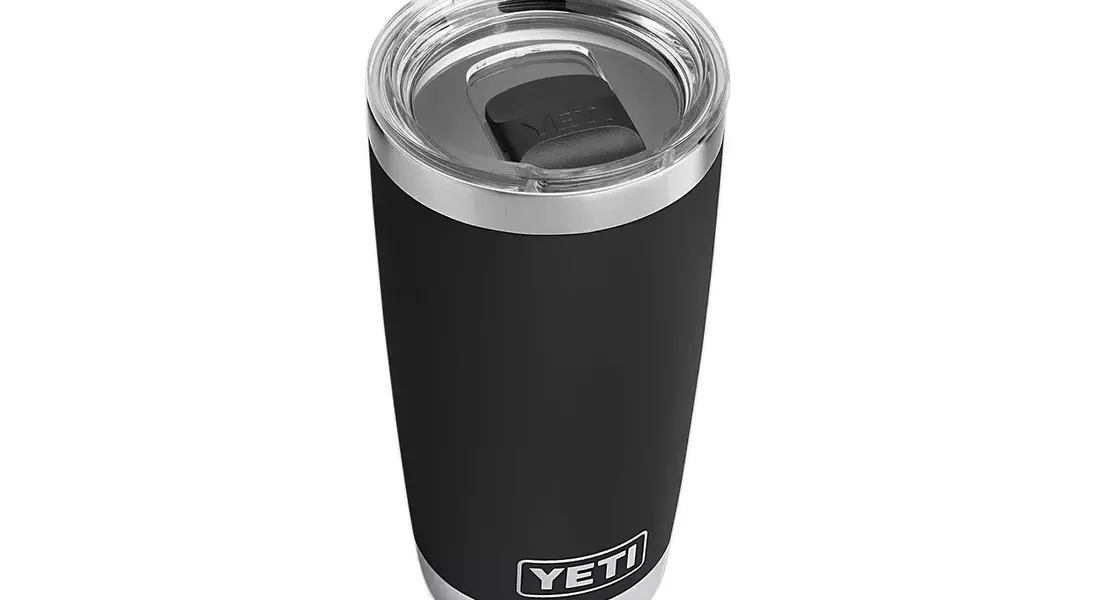
Bryan Quoc Le, Founder and Principal Food Consultant at Mendocino Food Consulting, emphatically states that almost any alternative is better than Styrofoam cups. He explains that Styrofoam is inherently fragile, prone to fragmenting into microplastic particles, and difficult to recycle, often ending up in landfills or oceans. Furthermore, styrene, the monomer of Styrofoam, is a potential carcinogen. He advocates for reusable cups. For coffee enthusiasts, a Yeti Rambler 20-Ounce Tumbler is a highly recommended reusable option, keeping beverages hot and being easy to clean, despite its plastic lid, which is still a far superior choice to Styrofoam.
The collective insights from these scientific experts offer a clear pathway to reducing microplastic exposure in the kitchen. By focusing on smart, strategic swaps for common kitchen items, individuals can make a meaningful impact on their health and the environment. These changes, ranging from cookware to spatulas, demonstrate that conscious consumer choices can lead to a healthier lifestyle and a more sustainable planet. It is inspiring to see how small adjustments in our daily routines, guided by scientific understanding, can contribute to addressing a global environmental and health challenge.
