
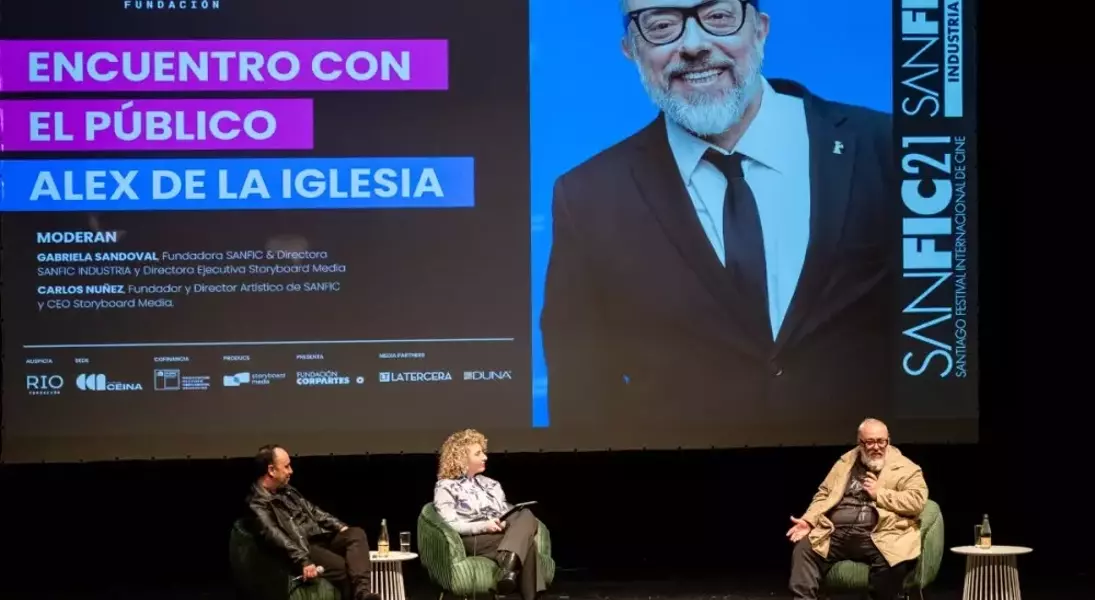
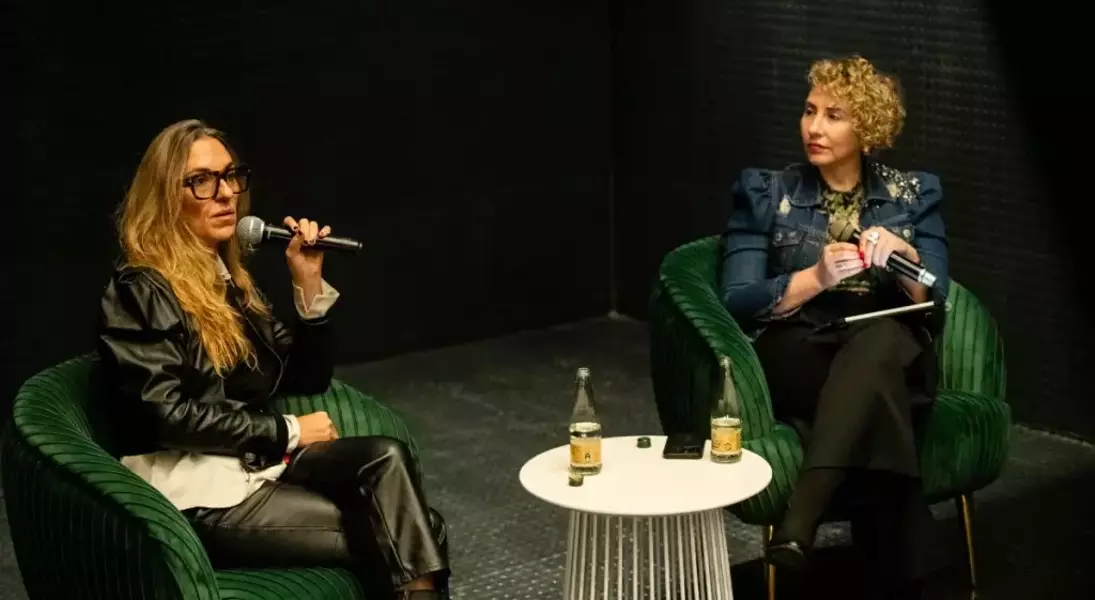
The recent Sanfic Festival in Santiago, Chile, along with its industry arm, Sanfic Industria, has firmly cemented its position as a burgeoning hub for Latin American cinema. Amidst the stunning backdrop of the snow-capped Andes, the event showcased a remarkable surge in participation and strategic alliances. Despite the prevailing challenges faced by smaller independent film producers in the region, the festival's continued expansion underscores its vital role in fostering film distribution and development. A strong emphasis was placed on emerging talent, innovative narratives, and the growing influence of global streaming platforms, all contributing to a vibrant and evolving cinematic landscape in Latin America.
A notable aspect of this year's festival was the deep engagement of key industry figures and organizations, signaling a robust future for the sector. The event not only served as a platform for showcasing compelling cinematic works but also facilitated crucial discussions on production, financing, and audience engagement, particularly in the context of shifting global dynamics. The collective spirit of innovation and collaboration evident throughout the festival highlights the resilience and creative energy driving the Latin American film industry forward, preparing it for future opportunities and challenges.
Expanding Horizons: Sanfic's Unprecedented Growth and Strategic Partnerships
The Sanfic Festival demonstrated remarkable growth this year, marked by significant milestones and new collaborations. Submissions for Sanfic Lab projects surged by nearly 100%, reflecting an increasing interest in the festival's development platforms. Sanfic Industria, the festival's industry forum, forged a groundbreaking partnership with Netflix to launch its inaugural Queer Incubator and also hosted the first Locarno Industry Academy. Furthermore, the 2025 edition saw the introduction of the Sanfic Industria Awards, honoring influential figures like Bernardo Bergeret, Estrella Araiza, and Gerardo Michelin. For the first time, the festival also received substantial financial support from Chile's Ministry of Culture and Arts, further solidifying its institutional backing. A significant highlight was a panel discussion with Erika Halvorsen, Netflix's content head for Argentina and Chile, marking Netflix's first formal presence at Sanfic. This extensive collaboration signifies a pivotal moment for the festival, broadening its scope and enhancing its international appeal.
This year's Sanfic achieved impressive attendance figures, with a 20% increase, partly attributed to the strategic use of Santiago's 16-screen Reina multiplex for the opening night. The selection of films also played a crucial role in drawing audiences, including the 2025 Cannes Palme d'Or winner, “It Was Just an Accident,” and the closing night film, “Miss Carbon,” a Netflix acquisition. The festival also showcased four Mubi titles and featured a Netflix world premiere, the Chilean documentary “Millionaire.” Artistic director Carlos Nuñez noted that while major, long-established festivals remain primary for world premieres, there is a clear trend of companies increasingly looking to Latin America for second-phase screenings. This indicates a growing recognition of the region's audience potential and the value that festivals like Sanfic add to a film's market presence. Sales agents are also leveraging festival runs to amplify the overall value of their films, demonstrating the strategic importance of Sanfic in the global film circuit.
Navigating Industry Shifts: Creative Resilience and Future Outlook
A key theme at Sanfic was the dynamic evolution of the Latin American film industry, particularly in response to the proliferation of streaming services. Despite a perceived crisis in film financing and distribution, especially for independent producers, figures like Juan de Dios Larraín of Fabula emphasized the importance of investing in high-quality screenplays and developing clear financing strategies. He suggested leveraging cultural donation laws and seeking support from sources not expecting direct returns, highlighting the need for innovative funding models beyond traditional subsidies and TV support. Discussions also illuminated what makes Latin American cinema unique, with Gerardo Michelin pointing to its strong tradition of co-production, driven by initiatives like the Ibermedia program. This collaborative spirit, along with a growing focus on Indigenous and Afro-Latin American narratives, positions the region for continued creative output and global relevance. Michelin also underscored the strength of Latin American documentaries, noting their capacity to explore complex social issues and provide healing narratives, a sentiment echoed by the success of documentary features at Sanfic 2025.
Looking ahead, the festival addressed the critical need to empower female filmmakers and prepare for potential political shifts. The Chilean Film Academy and Netflix launched CineLab: Chile in Feminine, a joint initiative aimed at supporting debut and second-feature female directors through mentorship and residencies. This program, led by Marcela Santibáñez, seeks to foster more diverse and inclusive narratives, aligning with Netflix’s Creative Equity Fund goals. However, underlying these positive developments are potential political uncertainties, particularly with upcoming elections in Chile that could impact cultural funding. Gabriela Sandoval, Sanfic co-founder, stressed the importance of strengthening initiatives like Sanfic to bridge the gap between film and audiences, despite the looming political climate. Carolina Arredondo, Chile’s Minister of Culture, Arts and Patrimony, emphasized the fragility of cultural budgets and the collective responsibility to safeguard these advancements. Despite these concerns, Sanfic remains a vital platform for deal-making, showcasing projects like “The Unwelcome,” “Blood Red Nails,” and “The Night is a Farce,” and attracting established talent to new productions, signaling a resilient and adaptable industry.
