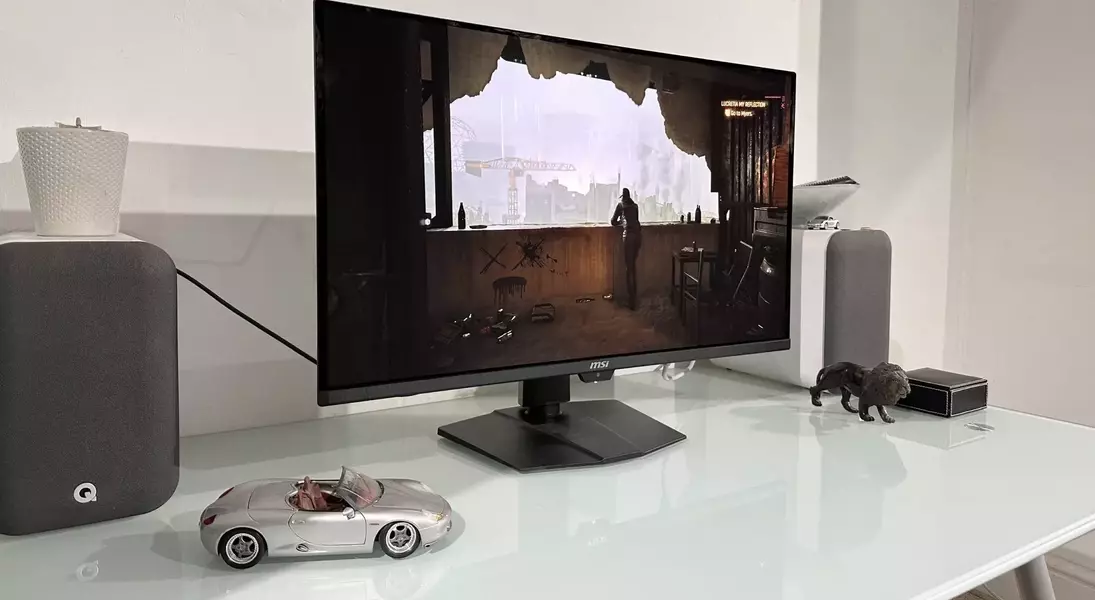
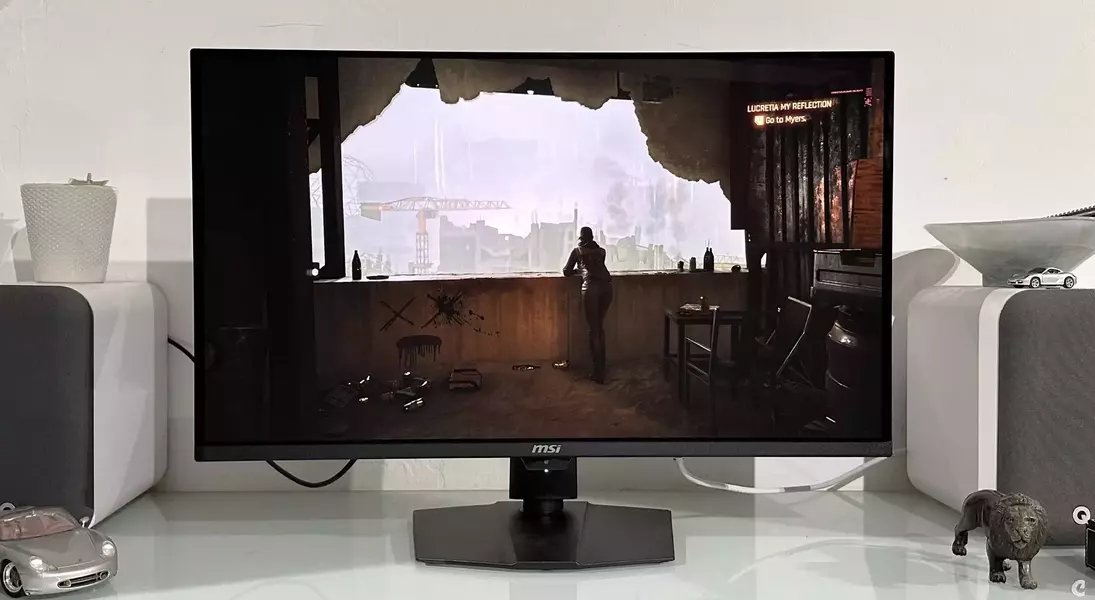
Samsung has unveiled its latest innovation in display technology, a 32-inch 4K QD-OLED panel that promises to elevate the gaming experience to unprecedented levels. This advanced monitor display integrates a high refresh rate with an optimized subpixel structure, aiming to deliver exceptional visual fidelity and performance for gamers and content creators alike.
Experience Unrivaled Clarity and Speed: Samsung's Next-Gen Gaming Monitor
The Dawn of a New Era in Gaming Displays: Enhanced Refresh Rates and Subpixel Prowess
In a significant leap forward for monitor technology, Samsung has introduced a cutting-edge 4K QD-OLED panel, featuring an impressive 360 Hz refresh rate. This marks a substantial upgrade from the previous 240 Hz cap found in most OLED panels, both from Samsung and its competitors. Beyond its rapid refresh capabilities, the new panel also supports an astounding 680 Hz at 1080p through a dual-mode function, catering to both visually demanding single-player games and high-stakes esports. This versatility positions the display as a top-tier choice for a wide spectrum of gaming preferences.
Revolutionizing Visuals: True RGB-Stripe Subpixel Architecture for Flawless Text and Graphics
A key advancement in this latest Samsung panel is the implementation of a true RGB-stripe subpixel structure. While Samsung previously introduced this technology in its 34-inch 1440p panel, its integration into the new 4K model is particularly noteworthy. Prior QD-OLEDs utilized a triangular subpixel arrangement, which, while offering vibrant colors, deviated from the standard vertical RGB-stripe configuration assumed by PC operating systems for features like ClearType font smoothing. The new RGB-stripe design, combined with the 4K pixel density, guarantees exceptionally sharp and clear text and graphics, enhancing overall computing and gaming clarity.
Setting New Standards in Brightness: The Introduction of HDR True Black 600 Certification
Another significant feature of this advanced display is its HDR True Black 600 certification from VESA. This achievement signifies a higher brightness standard compared to existing premium self-emissive monitors, surpassing the previous True Black 500 benchmark. Although Samsung has not disclosed the exact panel brightness, meeting the True Black 600 criteria necessitates a full-screen brightness of at least 350 nits. This improved brightness promises a more immersive and vivid HDR viewing experience, with deeper blacks and brighter highlights that pop on screen.
Addressing Lingering Challenges: The Persistent Purple Tint and Emissive Material Innovations
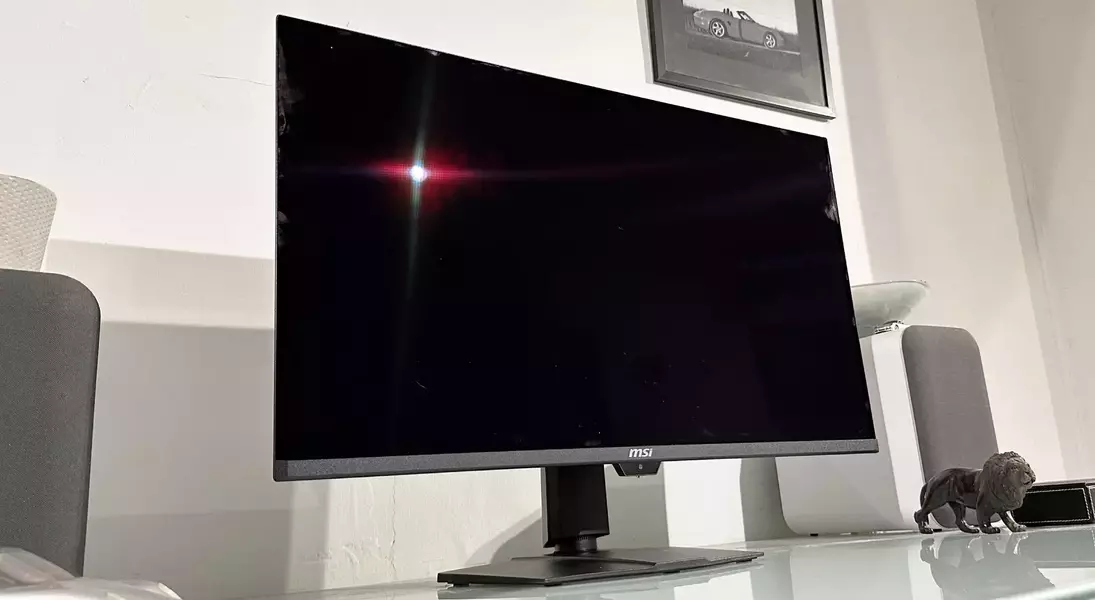
Despite these remarkable enhancements, the article notes a persistent minor challenge: the subtle purple tint observed in bright ambient light conditions. This phenomenon is attributed to the quantum dot material reacting to external light, emitting unintended light that causes the hue. While newer films introduced in previous MSI monitors have partially mitigated this effect, it has not been entirely eliminated. The discussion also touches upon the possibility of a new generation of emissive material or subpixel aperture adjustments contributing to the panel's increased brightness, hinting at ongoing innovation in display technology.
Anticipation and Implications: A Glimpse into the Future of Gaming Monitors
The unveiling of this new panel comes as a pleasant surprise, especially given the recent introduction of previous 4K QD-OLED models. Its specifications are undeniably impressive, potentially rendering earlier models somewhat obsolete. However, mass production of this cutting-edge panel is not expected until the latter half of the year, meaning consumers might not see monitors featuring this technology until late 2026 at the earliest. This announcement underscores Samsung's continuous drive to push the boundaries of display technology, constantly striving for perfection in the gaming monitor market.
