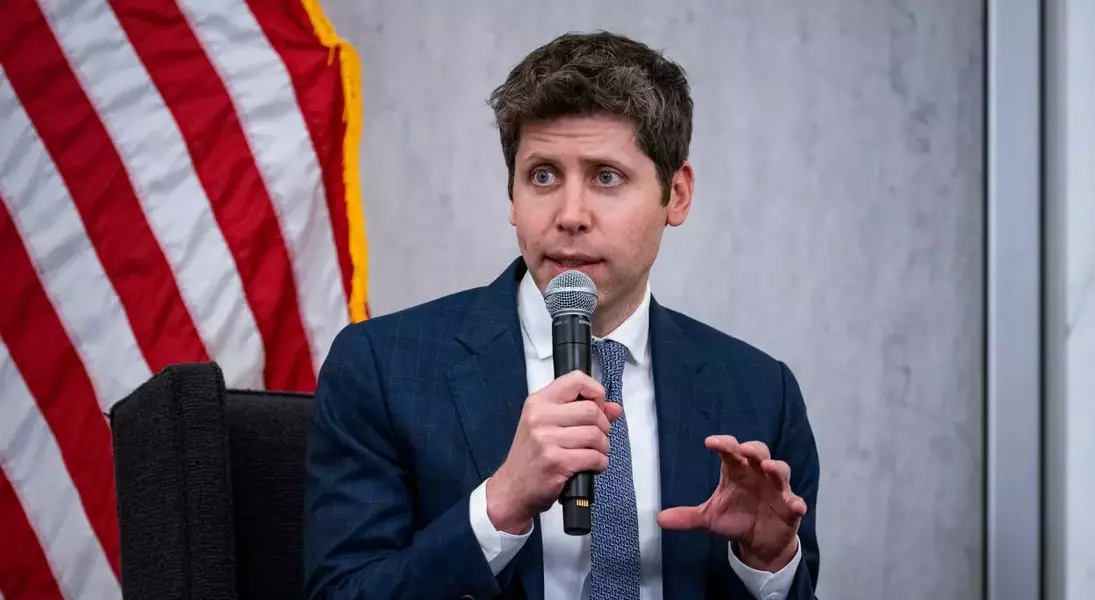
In an era where artificial intelligence is increasingly integrated into our daily lives, a critical distinction must be drawn between the utility of AI tools and their suitability for sensitive, personal interactions. Sam Altman, the chief executive of OpenAI, has underscored this point by cautioning against viewing AI chatbots as substitutes for professional therapists. His remarks highlight a fundamental privacy gap: unlike the privileged communication inherent in traditional medical or legal consultations, conversations with AI systems currently lack equivalent confidentiality protections. This absence of legal safeguards means that deeply personal information shared with an AI chatbot could be vulnerable, a concern exacerbated by the nascent and often inconsistent regulatory frameworks governing AI data use. As AI technology continues to advance, the imperative to establish robust privacy standards becomes ever more pressing to ensure that users can engage with these platforms without compromising their personal security.
The debate surrounding AI's role in mental health support extends beyond privacy to encompass the very nature of human connection and regulatory clarity. The inherent lack of doctor-patient confidentiality in AI interactions, as articulated by Altman, presents a significant ethical and legal dilemma. While AI may offer accessible platforms for initial queries or general advice, it cannot replicate the trust, empathy, and legally protected confidentiality that define a professional therapeutic relationship. This underscores the need for clear guidelines and regulations that address data handling, privacy rights, and the ethical implications of AI in sensitive fields. Furthermore, the fragmented regulatory landscape, with varying state and federal approaches to AI governance, creates an environment of uncertainty that could deter broad adoption of AI for personal and confidential uses. Ultimately, safeguarding user privacy and establishing comprehensive legal frameworks are essential for fostering responsible AI development and ensuring that these powerful tools are deployed in ways that genuinely benefit society without compromising individual rights.
The Illusion of Confidentiality in AI Conversations
Sam Altman, the CEO of OpenAI, has clearly stated that AI chatbots, including ChatGPT, are not designed to offer the same level of confidentiality as human therapists. This distinction is crucial, as many individuals, particularly younger users, are turning to these AI platforms for advice on highly personal matters like relationships and life challenges. However, the fundamental difference lies in the legal and ethical frameworks governing these interactions. Unlike licensed professionals who are bound by doctor-patient confidentiality, AI chatbots operate without such legal privileges, meaning sensitive information shared with them is not legally protected. This lack of an established privacy standard exposes users to potential risks, as their most intimate thoughts and problems could theoretically be accessed or even used in legal proceedings.
The absence of privacy protections for conversations with AI systems presents a significant risk to individuals who might unknowingly disclose sensitive information. Altman's remarks serve as an important warning against conflating the accessibility of AI with the secure, confidential environment provided by professional human therapists. The current legal landscape for AI is still largely undefined, creating a "gray area" where user data, even data that users believe they have deleted, might be retained and subject to various forms of access. This situation is further complicated by ongoing legal disputes, such as OpenAI's challenge against a court order to retain all user conversations, which highlight the urgent need for comprehensive regulations. Until clear and enforceable confidentiality standards are in place, relying on AI for therapeutic support carries inherent privacy vulnerabilities that users must be aware of.
Navigating the Untamed Waters of AI Regulation
The regulatory environment surrounding AI, particularly concerning data privacy and user interaction, remains a complex and largely unresolved issue. The disparity between federal and state approaches to AI governance creates a fragmented landscape where the rules for how user data from AI chats can be used are inconsistent. This regulatory patchwork leads to significant uncertainty regarding privacy, impacting the broader adoption and trust in AI technologies for sensitive applications. While some federal laws address specific AI-related concerns, such as deepfakes, the comprehensive regulation of user data and confidentiality in AI interactions is still in its infancy. This lack of clear, unified legal standards raises questions about accountability and protection for individuals engaging with AI systems.
The current lack of a unified regulatory framework for AI poses substantial challenges, especially when AI models are increasingly trained on vast amounts of online data and are subject to demands for user chat data in legal contexts. This situation underscores a critical paradox: AI relies on data for its functionality, yet the privacy implications of collecting and retaining this data, particularly sensitive personal conversations, are far from being adequately addressed. The ongoing legal battles and the absence of a robust, overarching regulatory body mean that the ethical considerations of AI use in sensitive domains, such as mental health, are often left to the discretion of companies or are resolved through reactive legal challenges. Establishing clear, enforceable regulations is crucial to build public trust, ensure responsible innovation, and safeguard individuals' privacy rights in an increasingly AI-driven world.
