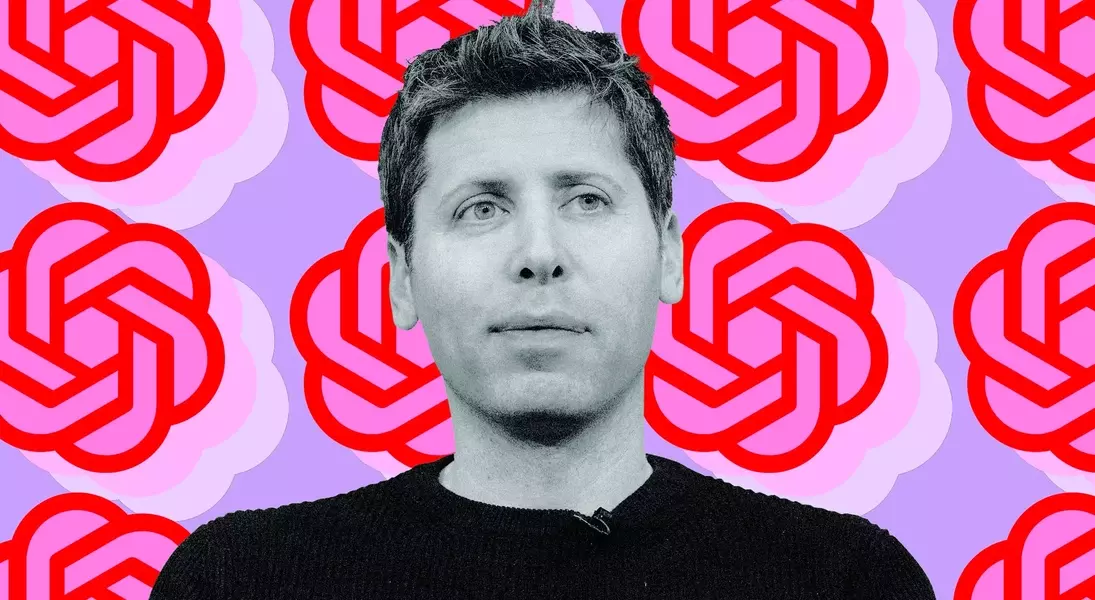
In an engaging discussion over dinner, OpenAI's CEO, Sam Altman, candidly addressed the recent challenges surrounding the GPT-5 rollout and cast a visionary gaze upon the future trajectory of artificial intelligence. He delved into the intricacies of user interaction with AI, the relentless demand for Graphics Processing Units (GPUs), and OpenAI’s audacious plans for expansion into diverse technological frontiers. Altman also touched upon the current state of the AI market, acknowledging its speculative nature while reaffirming AI's transformative potential. His expansive remarks offered a rare glimpse into the strategic thinking propelling one of the world's leading AI research organizations.
OpenAI's Visionary Expansion and Recent Hurdles Explored
In a revealing dinner conversation held in the vibrant city of San Francisco on a recent Thursday, Sam Altman, the insightful chief executive of OpenAI, alongside several of his key executives, engaged with a select gathering of journalists. During this extensive and candid exchange, Altman addressed a spectrum of critical topics without reservation. Notably, he acknowledged the unexpected complexities encountered during the recent launch of GPT-5, articulating the company's swift response to user feedback. Merely an hour prior to this pivotal dinner, OpenAI had reintroduced the 'warmth' of its predecessor, the 4o model, as an optional preference for its paying subscribers, a decision directly influenced by user sentiment expressed across various online platforms. Altman candidly referred to this as a misstep in the rollout, yet highlighted the concurrent doubling of API traffic and record-breaking daily user engagement for ChatGPT, attributing this surge to the newfound flexibility of the model switcher. This rapid expansion, he noted, has led to a critical shortage of GPUs, posing a significant constraint on the deployment of even more advanced AI models and services.
Altman also shed light on the evolving relationship between users and ChatGPT, estimating that a small fraction of users develop unhealthy attachments to the product. He emphasized OpenAI's internal discussions aimed at mitigating such issues while striving to offer a broadly appealing, neutral AI experience that can be customized to individual preferences without endorsing extreme ideologies. Looking ahead, Altman painted a compelling picture of ChatGPT's burgeoning influence, with weekly user numbers soaring past 700 million, projecting a future where billions interact with the platform daily, potentially surpassing leading social media giants like Instagram and Facebook in reach. To underpin this monumental growth, OpenAI anticipates an investment of trillions of dollars in data center infrastructure in the foreseeable future, acknowledging the current trade-offs between deploying superior models and limited computational capacity. Despite acknowledging the prevailing 'AI bubble' driven by investor enthusiasm, Altman asserted AI's undeniable long-term significance. Furthermore, he confirmed OpenAI's venture into brain-computer interface technologies, hinting at an exploration into consumer hardware with Jony Ive, and teased future standalone applications beyond ChatGPT, including potential social media innovations and even an interest in acquiring Google Chrome should it become available. While his long-term tenure as CEO remains uncertain, Altman's current focus is squarely on navigating OpenAI through its explosive growth and into a future shaped by ever-more integrated and powerful AI.
This candid dialogue with Sam Altman provides a crucial lens through which to view the rapidly accelerating world of artificial intelligence. It highlights not only the immense potential and ambition driving companies like OpenAI but also the inherent challenges that come with pioneering such transformative technologies. From managing user expectations and addressing ethical considerations to scaling infrastructure and navigating market dynamics, the journey of AI development is multifaceted and complex. As AI continues its relentless march toward greater integration into our daily lives, Altman's insights serve as a timely reminder of the delicate balance between innovation, responsibility, and the profound impact these advancements will have on society.
