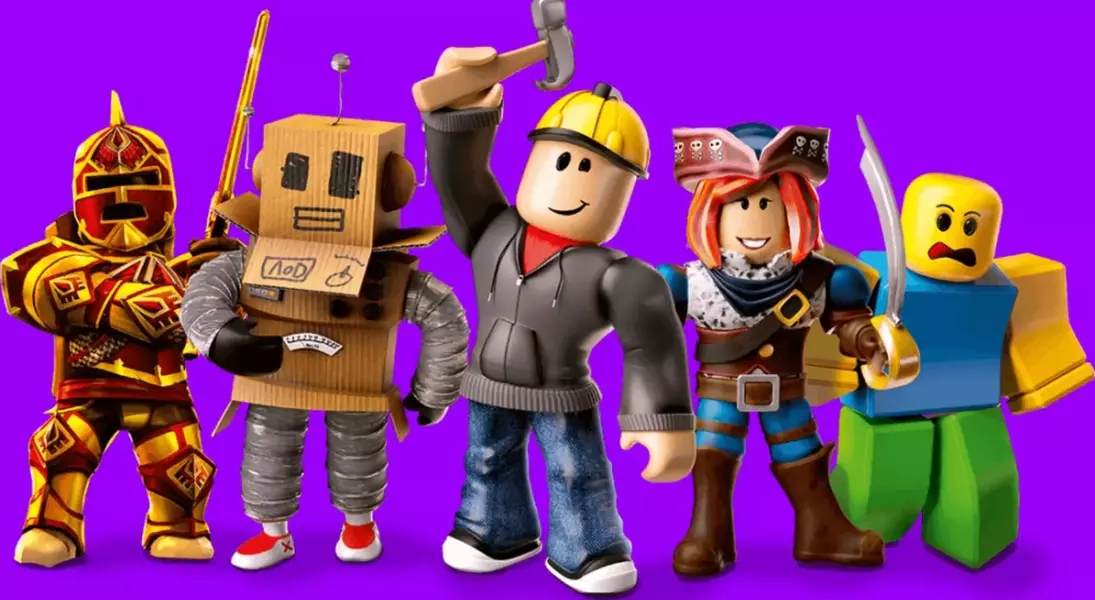
Roblox has recently encountered substantial criticism from its player community following a significant update to its avatar customization policies. The gaming platform's decision to discontinue static 'Classic Heads' in favor of animated 'Dynamic Heads' has sparked widespread discontent, particularly among long-standing users who appreciate the simpler aesthetic of the former. This shift, which mandates all in-game character heads to possess animated features by early 2026, aims to foster greater user expression. However, it has been largely perceived as an imposition, with many players and creators expressing frustration over the potential loss of cherished content and creative autonomy. The controversy is further compounded by strict deadlines for compliance, which could see numerous existing avatar items removed from the platform and player inventories, leading to concerns about the preservation of user-generated content and the overall direction of the game.
This policy change is not an isolated incident but rather follows a series of controversial updates by Roblox, including a new age verification system that requires facial photo identification for in-game chat access. While Roblox asserts that these measures, including the move to Dynamic Heads, are designed to enhance player safety and self-expression, a significant portion of the community views them as a means of increasing platform control and potentially harvesting user data. The perceived disregard for player preferences, as evidenced by a community poll favoring static 2D faces, suggests a growing disconnect between the platform's development vision and its user base's desires. The ongoing dialogue between Roblox and its community highlights a critical period for the platform as it navigates balancing innovation, user experience, and content moderation.
The Dynamic Head Mandate: A Catalyst for Community Discontent
Roblox's recent mandate to convert all existing 'Classic Heads' to 'Dynamic Heads' has provoked a strong negative reaction across its extensive player base. This policy, unveiled with the stated goal of empowering more authentic self-expression through animated facial features, has been largely interpreted by the community as an unwelcome imposition. Many long-term players, who value the game's foundational simplicity and the distinct charm of static avatar heads, feel that this change undermines a core aspect of their in-game identity and nostalgic connection to the platform. The requirement for all new and existing head models to support advanced animations and specific facial expressions by early 2026 has raised significant concerns about creative freedom, the preservation of player-created content, and the potential for a homogenized avatar aesthetic.
The platform's assertion that animated heads are 'vital in user self-expression' stands in stark contrast to the sentiments of a vocal segment of its community. Developers and content creators, in particular, are facing a daunting task, with tight deadlines imposed for updating their creations to meet the new compliance standards. Non-compliant items risk removal from both the marketplace and individual player inventories, leading to widespread anxiety among creators who have invested considerable time and effort into their designs. This situation has fostered a sense of disillusionment, as players and creators perceive the update not as an enhancement of expression but as a top-down decision that disregards their established preferences and the rich history of user-generated content within the Roblox ecosystem. The controversy underscores a tension between Roblox's developmental trajectory and the evolving expectations and desires of its dedicated community.
Broader Implications: Control, Data, and the Future of Roblox Identity
The controversy surrounding the 'Dynamic Heads' policy extends beyond mere aesthetic preferences, touching upon deeper concerns within the Roblox community regarding platform control, user data, and the future evolution of the game's identity. Players view this mandate as part of a larger trend where Roblox is increasingly dictating terms that impact core gameplay and customization, rather than fostering a truly open and player-driven environment. This sentiment is amplified by the earlier implementation of a stringent age verification system, requiring facial recognition or ID submission for in-game chat access. While Roblox frames these changes as crucial for enhancing player safety and promoting self-expression, a significant portion of the community suspects underlying motives, including increased data collection and a tighter grip on user-generated content.
The push towards more complex avatar rigs, such as R15, and the potential phasing out of simpler models like R6, further fuel anxieties about the erosion of the 'classic Roblox' experience. Many players fear that the platform is moving away from its blocky, customizable roots towards a more standardized, and arguably less unique, visual style. This shift is perceived by some as a strategic move to modernize the platform at the expense of its legacy and the preferences of its long-standing users. The lack of robust engagement from Roblox in addressing player concerns, beyond issuing policy updates and conversion guides, has exacerbated feelings of alienation. The ongoing debate highlights a critical juncture for Roblox, as it navigates the complex balance between innovation, commercial objectives, and maintaining the trust and satisfaction of its diverse and passionate player community.
