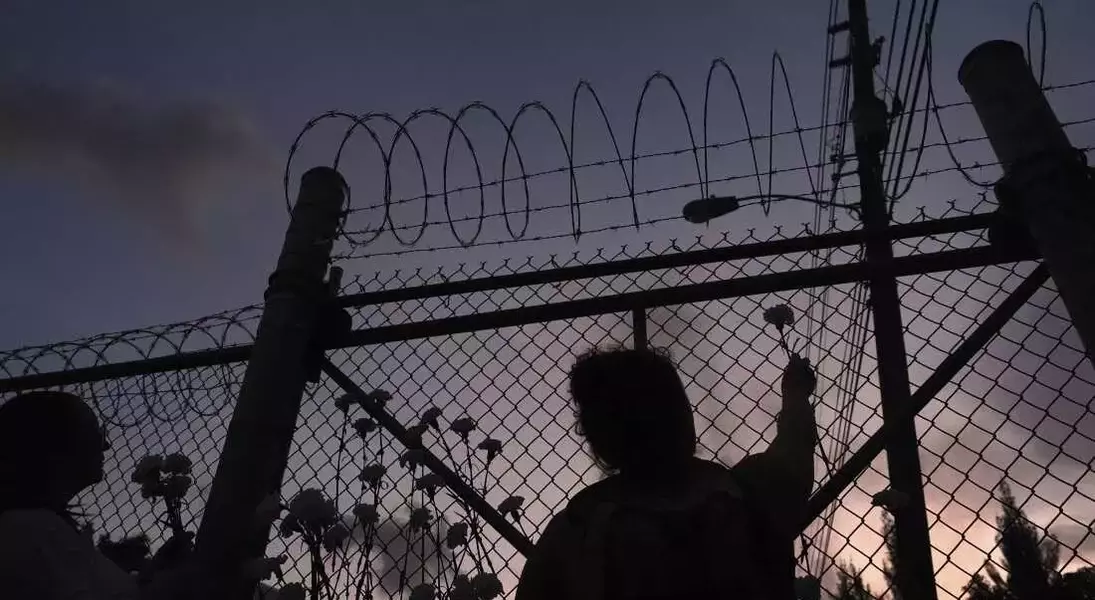
The number of deaths among individuals held in U.S. Immigration and Customs Enforcement (ICE) facilities has reached a distressing peak, making the current fiscal year the deadliest in more than two decades. With 23 reported fatalities since October, this figure already exceeds the total number of deaths recorded in the entire previous fiscal year. This grim statistic underscores a critical situation within the immigration detention system, drawing urgent attention from human rights organizations and former government personnel alike.
This surge in deaths coincides with a significant increase in the detainee population, which now stands at nearly 70,000 individuals, a multi-year high. Experts and advocates point to a troubling combination of factors: an expanded detainee count coupled with a noticeable decline in oversight mechanisms. Concerns have been raised about the direct correlation between these conditions and the escalating mortality rates, suggesting that without immediate intervention, the situation is likely to worsen. Moreover, Democratic lawmakers have voiced strong criticisms regarding the inadequate healthcare access for detainees and the delayed public reporting of these tragic incidents, emphasizing the urgent need for transparency and accountability.
Despite assertions from the Department of Homeland Security (DHS) regarding the provision of medical care—including prompt examinations and access to emergency services—reports from medical professionals who have served in these centers paint a different picture. They describe chaotic screening processes, significant delays in medical and pharmaceutical treatment, and environments marked by overcrowding and understaffing. These accounts align with findings from advocacy groups, such as the American Civil Liberties Union, which in a 2024 study, concluded that a vast majority of deaths in ICE custody could have been prevented with appropriate medical intervention. The ongoing challenges are further compounded by reductions in civil rights oversight staff and the impact of government shutdowns, which have directly affected the ability to investigate and address these critical issues.
The current state of immigration detention centers calls for a profound reevaluation of policies and practices. It is imperative that all individuals, regardless of their immigration status, are treated with dignity and provided with fundamental human rights, including access to adequate medical care and safe living conditions. A commitment to transparency, robust oversight, and accountability is essential to prevent further loss of life and uphold the humanitarian values that define a just society.
