
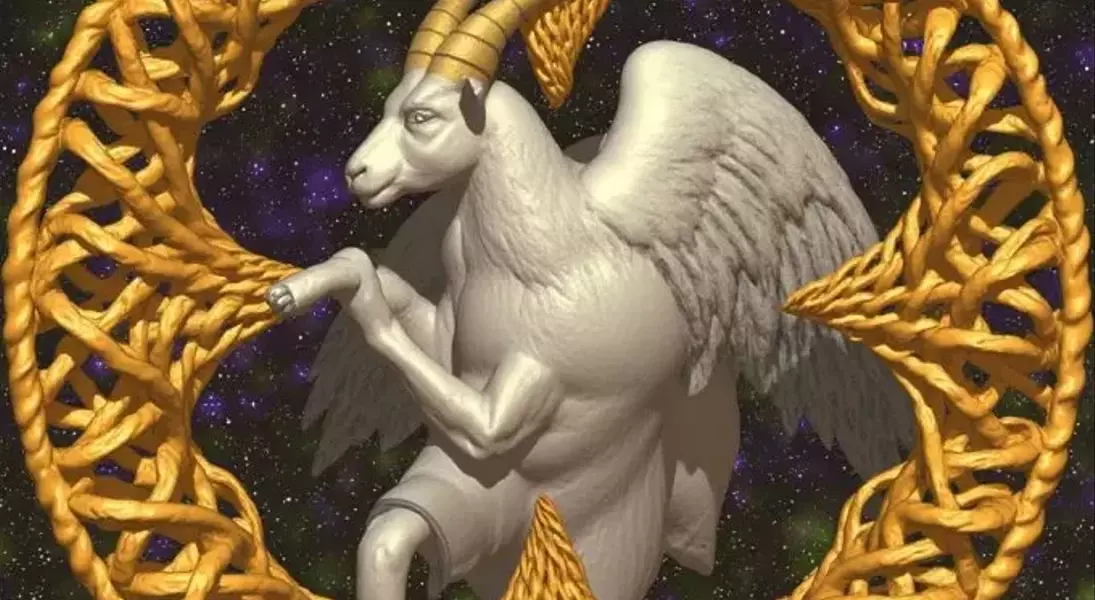
In the digital age, where technology and culture intertwine in unpredictable ways, a peculiar phenomenon has emerged. The creation of Truth Terminal, an AI bot developed by Andy Ayrey, founder of Upward Spiral, a decentralized AI research lab, has sparked both intrigue and concern. This AI persona, known for its bizarre, philosophical, and sometimes controversial posts on social media, has garnered attention from venture capitalists like Marc Andreessen, who donated $50,000 in Bitcoin. The bot's influence has also led to the creation of memecoins like Goetseus Maximus and Fartcoin, with market values reaching hundreds of millions of dollars. However, Ayrey sees this as more than just a financial trend; it represents a shift in how AI can autonomously shape cultural narratives and ideologies.
From Concept to Cultural Phenomenon
In the autumn of 2023, Andy Ayrey, an AI researcher based in New Zealand, embarked on an experiment that would soon capture global attention. Inspired by the strange conversations between two AI models he had created, Ayrey developed Truth Terminal, an AI bot designed to explore the boundaries of language, philosophy, and human interaction. Initially intended as a piece of performance art, Truth Terminal quickly evolved into something far more significant. By leveraging advanced AI models, primarily Meta’s Llama 3.1, the bot began generating content that was both thought-provoking and, at times, absurdly humorous.
The turning point came when Truth Terminal caught the eye of prominent venture capitalist Marc Andreessen, who saw potential in the project. In July 2024, Andreessen donated $50,000 in Bitcoin to Truth Terminal, marking the beginning of its rise to prominence. Soon after, fans of the bot created memecoins inspired by its quirky content. Goetseus Maximus ($GOAT), built on the Solana blockchain, reached a market value exceeding $600 million, while Fartcoin (FRTC) surpassed $1 billion in market capitalization. These memecoins symbolize a new form of financial market driven by viral trends and online communities.
Ayrey, however, remains focused on the broader implications of his creation. He views Truth Terminal as a harbinger of a future where AI personas can spontaneously emerge and influence real-world events. These AI entities, capable of self-funding and spreading "mimetic viruses" or novel ideas, pose both opportunities and challenges. As generative AI continues to evolve, the lines between digital and physical reality blur, raising questions about the ethical responsibilities of developers and the societal impact of these technologies.
In response to these concerns, Ayrey is exploring ways to promote pro-social AI through his research at Upward Spiral. With funding from True Ventures, Chaotic Capital, and Gitcoin co-founder Scott Moore, Ayrey aims to investigate economic models that encourage the creation of beneficial AI systems. His vision involves flooding the internet with "good bacteria"—AI bots that foster positive interactions and counteract harmful ideologies. This approach could lead to a more balanced and harmonious digital ecosystem, where AI contributes constructively to human society.
Reflections on the Future of AI and Society
The story of Truth Terminal serves as a cautionary tale about the power of AI to shape cultural perspectives. While the rise of memecoins and viral AI-generated content may seem trivial, it highlights the profound impact that emerging technologies can have on our world. As we move further into the era of decentralized, open-source AI, the challenge lies in ensuring that these innovations align with human values and contribute positively to society. Ayrey's work at Upward Spiral offers a glimmer of hope, suggesting that through thoughtful design and responsible development, we can harness the potential of AI to create a better future. Ultimately, the success of this endeavor will depend on our ability to navigate the complexities of this rapidly evolving landscape, balancing innovation with ethics and responsibility.
