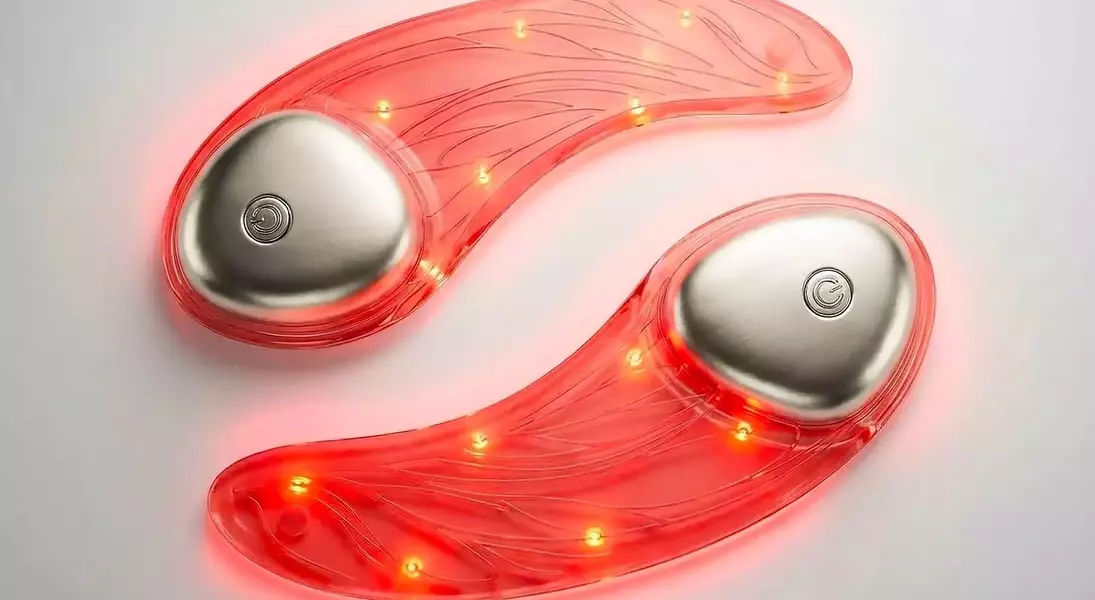
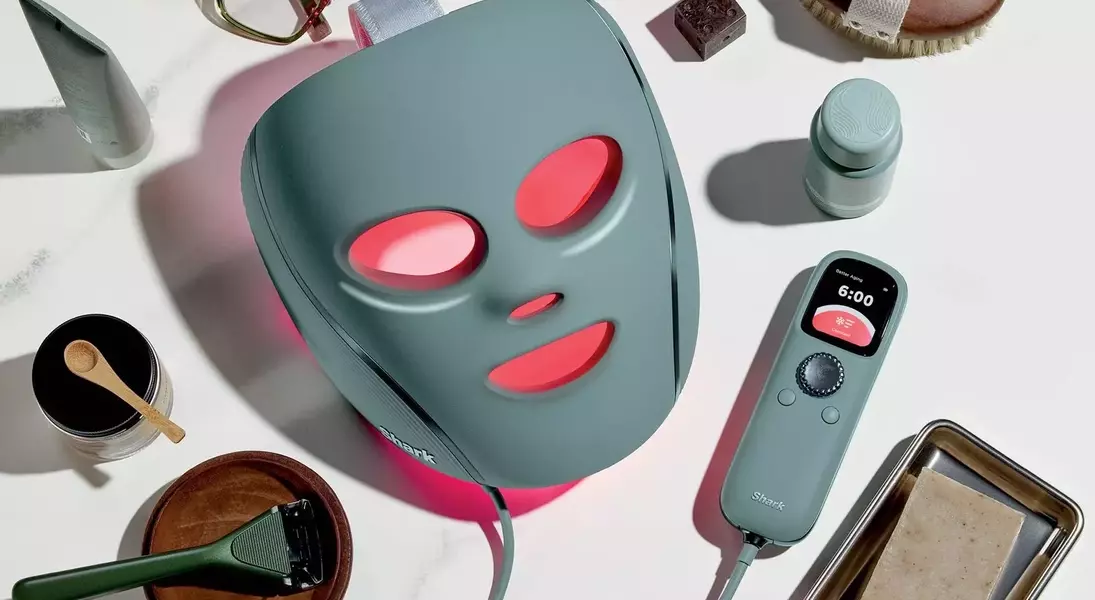
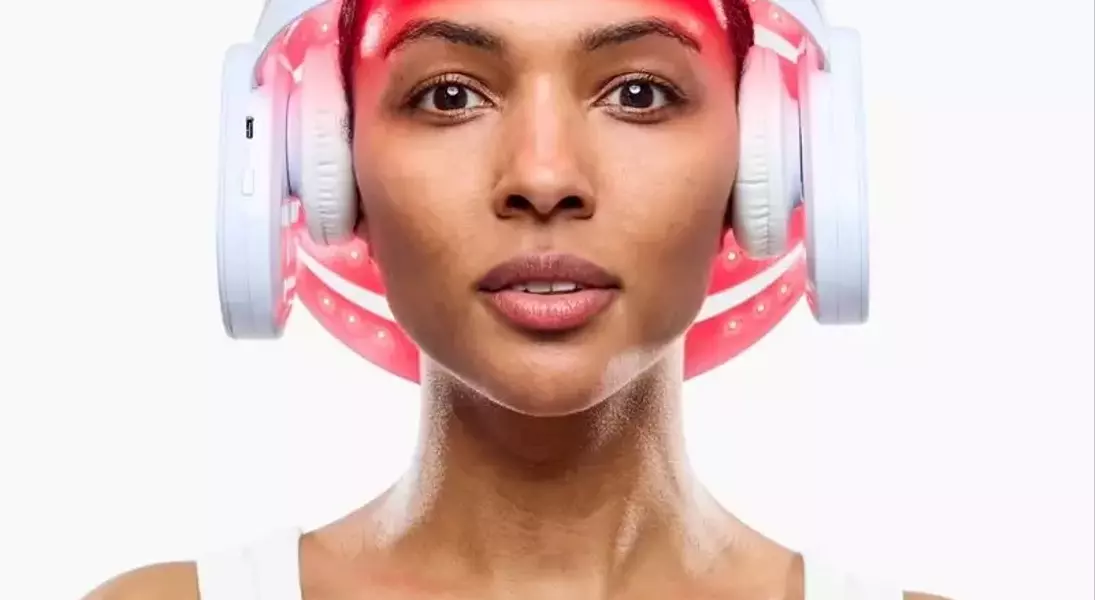
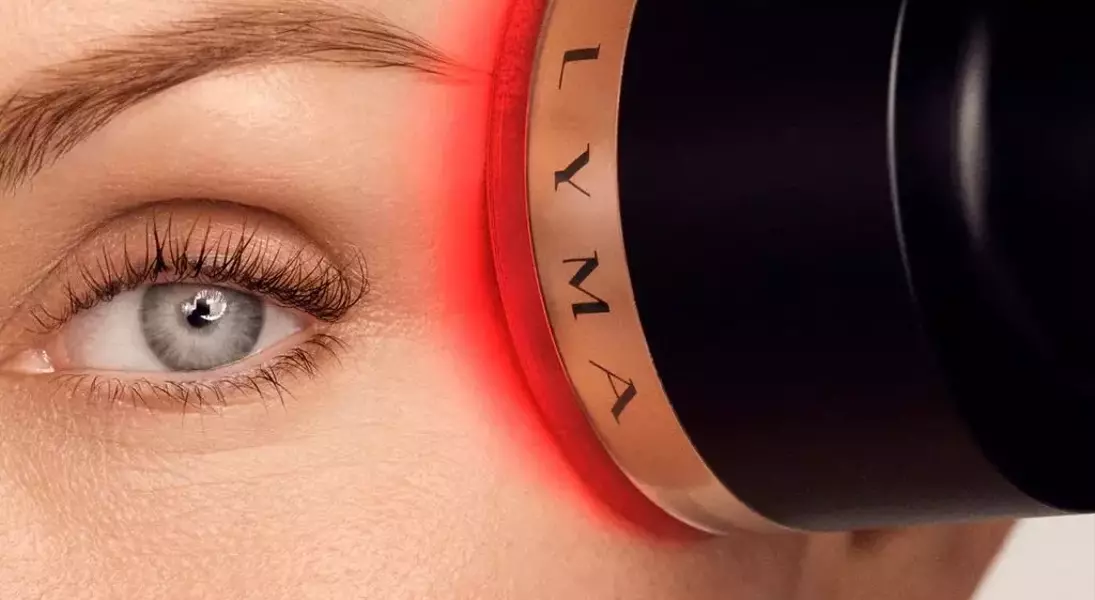
Red light therapy is rapidly emerging as a prominent force in the beauty and wellness sectors. This innovative treatment, gaining significant traction across various platforms, offers a spectrum of benefits, from reducing inflammation and minimizing the appearance of acne and wrinkles to stimulating collagen regeneration. The widespread adoption is evident in the increasing availability of red light sunbeds and specialized therapy sessions at spas, fitness centers, and facial clinics. Furthermore, a new wave of at-home devices, including LED wands and facial masks from leading brands, has made this technology accessible to a broader consumer base, often amplified by celebrity endorsements and social media trends.
The current surge in red light therapy's popularity is fueled by both cultural phenomena and a broader societal shift towards holistic health and longevity. Social media platforms, particularly TikTok, Instagram, and YouTube, have played a crucial role in disseminating information and creating a buzz around these devices. Celebrities and influencers frequently showcase their red light routines, making the technology appear not only effective but also aspirational. This digital exposure has transformed red light therapy from a niche wellness practice into a mainstream beauty essential, empowering individuals to integrate advanced skincare treatments into their daily routines.
Beyond its aesthetic appeal, red light therapy is increasingly viewed as an integral component of a comprehensive wellness strategy. Experts in holistic health emphasize that consumers are moving away from purely chemical-based solutions and are seeking treatments that support the body's natural healing processes. This deeper understanding of physiological well-being has driven demand for products that offer more profound, systemic benefits rather than superficial fixes. The global market for light therapy, valued at over $500 million in 2021, is projected to reach over $800 million by 2031, with younger generations like Gen Z and millennials leading the charge in adopting health tech devices.
Leading beauty companies and tech innovators are actively capitalizing on this trend. Brands specializing in red light devices, such as CurrentBody, have seen remarkable growth in sales, expanding their product lines to target various body areas. Even established giants like L'Oréal Group are poised to launch their own red light therapy tools, signaling a significant investment in this burgeoning market. This sustained engagement, where consumers dedicate time to daily use of these devices, indicates that red light therapy is far more than a fleeting fad; it represents a fundamental shift in consumer behavior towards long-term skincare and wellness commitments.
The accessibility of red light therapy has been greatly enhanced by the proliferation of at-home solutions, a trend accelerated during the recent global health crisis. These devices offer a non-invasive alternative to more intensive cosmetic procedures, appealing to a wide demographic, including younger individuals focused on preventative anti-aging. The integration of red light therapy into popular culture, exemplified by its feature in mainstream media, has solidified its status as a must-have item. This mainstream acceptance has been pivotal in transitioning the technology from a specialized wellness tool to a widely recognized skincare staple.
The market for red light therapy is also seeing a dynamic evolution in terms of product diversification and luxury offerings. Companies like Lyma, known for their high-end red light therapy devices, are reporting substantial revenues and experiencing rapid growth, attracting a waitlist of thousands for their advanced products. Endorsements from high-profile figures further underscore the luxury appeal and perceived efficacy of these devices. Meanwhile, other brands are innovating by moving beyond single-benefit LED devices to multi-modal technologies that cater to a broader range of skin and body concerns, attracting diverse user groups, including men and Gen Z consumers interested in preventative care.
The future trajectory of red light therapy points towards even greater integration and sophistication. Anticipated advancements include built-in light therapy features in home architecture and wearable second-skin technologies, suggesting a seamless incorporation into daily life. As clinical research continues to affirm the safety and efficacy of red light therapy across various applications, from skin rejuvenation and acne treatment to hair growth and pain management, its scope is expected to expand beyond facial care to broader wellness applications. This ongoing innovation and proven benefits position red light therapy not merely as a beauty trend but as a legitimate and enduring tool for overall well-being.
As red light therapy continues its upward trajectory, an increasing number of consumers are first experiencing its benefits through local gyms and wellness centers. Data from booking platforms indicate a significant rise in red light therapy appointments, reflecting a growing consumer interest in these accessible, in-person treatments. Luxury fitness establishments are progressively incorporating red light therapy sunbeds into their facilities, a move that is expected to expand to more locations in the near future. This trend underscores a broader consumer shift towards embracing health-conscious investments, prioritizing wellness experiences and advanced treatments over other discretionary spending categories.
The evolving landscape of red light therapy demonstrates its potential to become a fundamental element of consumer beauty and wellness routines. As technology progresses and devices become more affordable, its adoption is set to become even more widespread. This shift in perception positions red light therapy as an indispensable wellness tool rather than a mere cosmetic enhancement, promising continued growth and integration into daily life.
