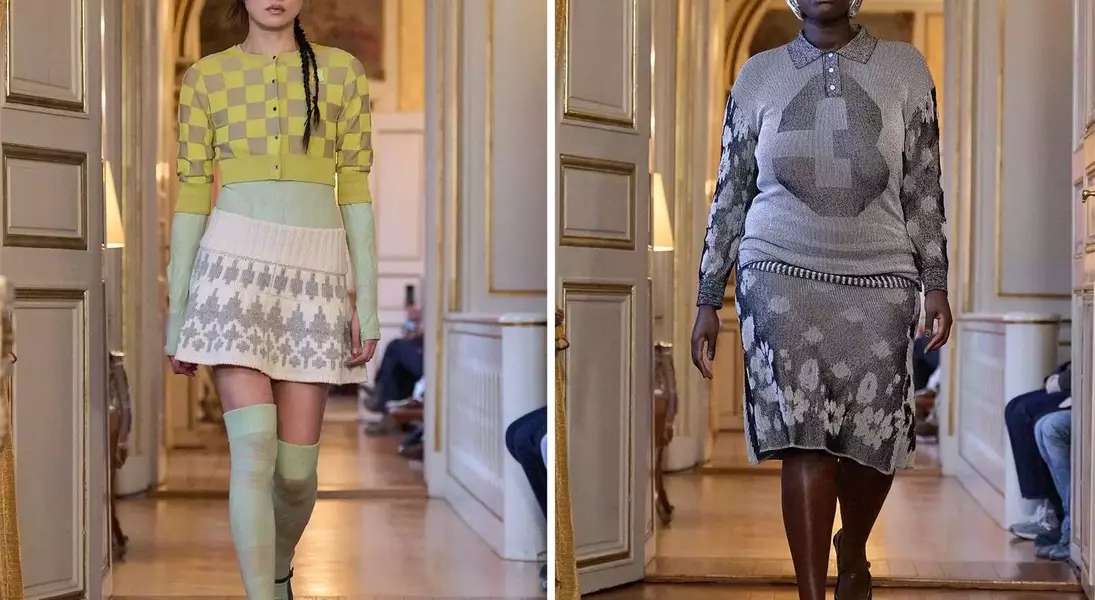
The Fall/Winter 2026 season of Copenhagen Fashion Week (CPHFW) marked its 20th anniversary with a distinct showcase of resilience and innovation. Despite unusually cold weather, the event successfully highlighted emerging talents, embraced international collaborations, and reinforced its commitment to community and sustainable practices, underscoring its unique position in the global fashion calendar.
Celebrating Two Decades of Nordic Style and Forward-Thinking Design
Copenhagen Fashion Week's Enduring Legacy and Milestone Celebrations
Copenhagen Fashion Week reached a significant milestone this year, celebrating its two-decade journey. The Fall/Winter 2026 season, held amidst a backdrop of severe winter conditions, brought together 21 distinct shows and numerous brand engagements. The festivities culminated in a grand anniversary dinner, underscoring the event's growing influence and collaborative spirit within the fashion industry.
Nurturing Emerging Talents and Fostering Creative Hubs
Despite the concurrent Paris Couture Week, Copenhagen Fashion Week carved out its own niche by prioritizing new and innovative designers. The absence of some major brands this season allowed smaller, burgeoning labels such as Nicklas Skovgaard, Caro Editions, and Anne Sofie Madsen to shine, offering fresh perspectives and unique artisanal techniques. This emphasis on emerging talent solidifies CPHFW's reputation as a vital launching pad for future fashion luminaries.
The Return of a Cherished Brand: Holzweiler's Emotional Homecoming
In a poignant moment for the fashion week, Holzweiler made a much-anticipated return to the Copenhagen schedule, filling the official "Homecoming" slot. After a brief period showcasing in London, the brand's decision to return reflected a desire for a more personal connection with its roots and audience. This homecoming symbolized the strong bond between CPHFW and the designers it has championed throughout its history.
Off-Runway Engagements: Major Brands Maintain Their Presence
Even without traditional runway shows, key Copenhagen brands like Ganni and Cecilie Bahnsen ensured their presence was felt through alternative events. Ganni hosted a breakfast to celebrate its Disney collaboration, while Cecilie Bahnsen organized a cocktail evening. These off-schedule activities demonstrated a continued engagement with the fashion community and a strategic approach to maintaining visibility.
Global Connections: International Designers Find a Home in Copenhagen
Copenhagen Fashion Week continues to attract international labels seeking a platform distinct from the more saturated schedules of Paris or Milan. Brands like Sweden's Rave Review found increased visibility after moving to Copenhagen, showcasing their collections with diplomatic support. Paolina Russo also returned, highlighting their French heritage within the Danish capital, further enriching the event's diverse international appeal.
Embracing Intimacy: Building Community Through Design
In response to a challenging retail environment, many designers opted for more intimate, salon-style presentations over grand runway productions. This shift allowed for a deeper connection between designers, their collections, and their audience, fostering a sense of community. The focus on direct-to-consumer engagement and intentional drops highlighted a movement towards building brands centered on genuine relationships rather than fleeting trends.
Fashion Meets Function: Designing for Extreme Weather Conditions
The harsh winter weather during CPHFW served as an unexpected inspiration, with designers showcasing collections that blended performance with style. Features such as rubber-soled wellies, innovative collaborations with brands like Ugg and Viking for winter footwear, and performance fabrications demonstrated a practical yet fashionable response to environmental challenges, reflecting Copenhagen's unique climate.
Preserving Craftsmanship: The Art of Sustainable Artisanal Techniques
Copenhagen has long been a leader in sustainable fashion, and this season saw designers further embrace artisanal crafts. Younger designers focused on heavy knitwear and collaborated with local artisans to create sustainable wools, emphasizing traditional techniques and material innovation. This commitment to preserving ancient crafts not only promotes sustainability but also supports local communities and their heritage.
Influential Trends: A Nod to the Past and Future
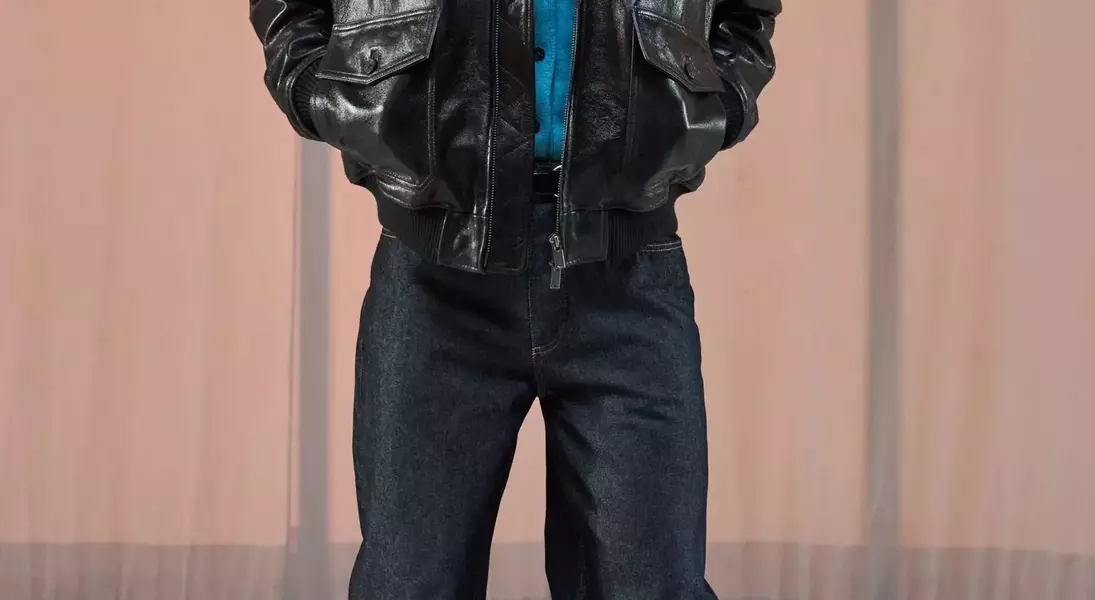
The Fall/Winter 2026 collections revealed a strong influence from 1980s fashion, with elements like broad-shouldered shirts and high-waisted jeans making a comeback. Designers also focused on timeless pieces that emphasized longevity and investment, reflecting a tension unique to Copenhagen—balancing seasonal newness with an enduring commitment to sustainability and enduring style.
Looking Ahead: Anticipating a Vibrant Future for Copenhagen Fashion Week
As Copenhagen Fashion Week concludes another successful season, the community looks forward to the next, promising a more extensive schedule and warmer climates. The event continues to serve as a beacon for Nordic brands, both established and emerging, reinforcing its status as a forward-thinking and influential force in the global fashion industry.
