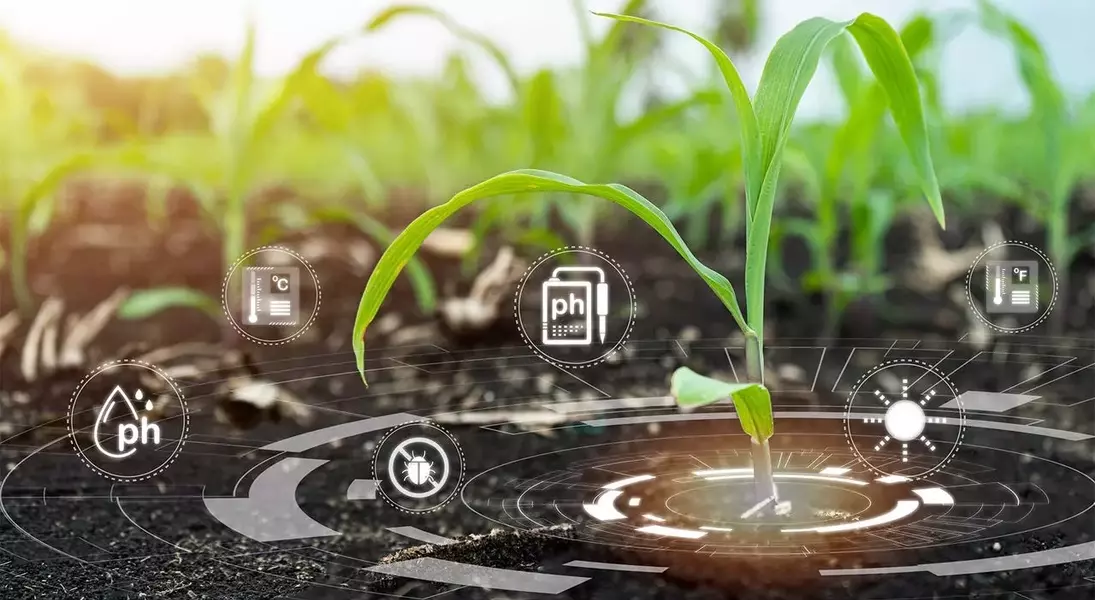
Artificial intelligence is fundamentally reshaping contemporary agriculture, offering transformative capabilities for precision farming. This technological evolution extends beyond theoretical applications, as readily available camera systems are already enabling farmers to enhance efficiency and address critical challenges. Looking ahead, the widespread adoption of AI-driven tools will lead to a re-evaluation of farm machinery, favoring versatile, smaller robotic units over traditional large equipment. These advancements promise a future where agricultural operations are more data-driven, adaptive, and sustainable, marking a significant leap forward in food production.
The Immediate Impact of Visual AI in Agriculture
The agricultural sector is on the cusp of a technological revolution, spearheaded by artificial intelligence and advanced camera systems. These innovations promise to redefine farming practices, offering unprecedented levels of precision and efficiency. While fully autonomous robots are still decades away, current camera technology provides immediate benefits in crop monitoring, disease detection, and pest management. This shift will also enable the adoption of smaller, more numerous robotic units, fundamentally changing farm equipment and operational scales. Experts are essential in training these AI systems, leveraging extensive data to refine their capabilities for diverse agricultural challenges.
Immediate advancements in computer vision are poised to significantly impact agricultural operations. Unlike futuristic robotic harvesters, sophisticated camera systems are already accessible, offering immediate benefits for farmers. These devices, which can be affixed to almost any farm machinery, provide real-time data on various aspects of crop health, including identifying diseases, assessing fertility, detecting insect infestations, and pinpointing weed growth. The low cost and versatility of these cameras mean they can be deployed extensively, generating comprehensive maps of fields that highlight areas under stress. This widespread deployment of visual AI allows for continuous, detailed monitoring, transforming how farmers understand and respond to the dynamic conditions of their land. Moreover, the ability to 'teach' these machines through image annotation means their capabilities will continuously expand and adapt to specific agricultural needs.
Transforming Farm Equipment and Operational Scales
The integration of advanced visual technologies into agriculture is not only enhancing monitoring capabilities but also reshaping the future of farm machinery. This transition foresees a departure from the reliance on massive, single-purpose equipment like large tractors and combines. Instead, the industry is moving towards a model where numerous smaller, autonomous robotic units perform tasks with greater precision and flexibility. This paradigm shift offers significant advantages, including reduced operational costs, increased efficiency through continuous operation, and minimized risks associated with equipment failure. The adaptability of these smaller units allows for more targeted interventions, optimizing resource use and improving overall farm productivity.
The shift towards smaller, autonomous machinery marks a profound change in agricultural practices. Rather than a single large sprayer, a farm might utilize multiple compact robotic units, each capable of covering ground efficiently and continuously. This decentralized approach to farm work offers resilience; the failure of one small robot does not cripple an entire operation, unlike the breakdown of a multi-million-dollar combine. Manufacturers like John Deere may streamline production, focusing on a single, highly adaptable robot model that can be scaled up or down by simply increasing or decreasing the number of units deployed. This strategy provides an inherent economy of scale, making advanced precision farming accessible to a broader range of farm sizes. These robotic swarms will work tirelessly, day and night, transforming vast agricultural landscapes into precisely managed, highly productive environments.
