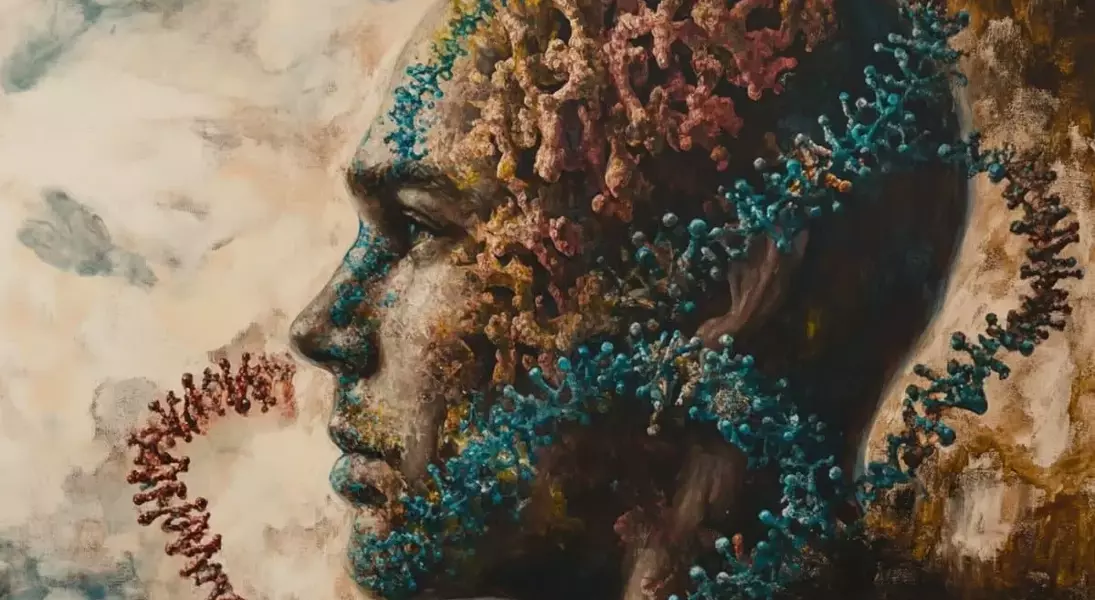
A groundbreaking study from Weill Cornell Medicine has uncovered a novel dimension in the understanding of glioblastoma, one of the most aggressive forms of brain cancer. Researchers have identified that in glioblastoma cells, genes cluster into three-dimensional "hubs" that play a pivotal role in driving tumor growth without relying on mutations. By using CRISPR interference to disrupt these hubs, scientists were able to weaken the cancer cells' ability to grow and organize. This discovery suggests new therapeutic strategies could emerge by targeting the way DNA folds and regulates gene activity in three-dimensional space. Furthermore, similar hubs were detected across 16 other types of cancer, indicating a shared mechanism that may hold transformative potential for cancer treatment.
Unraveling the Mystery of Glioblastoma Through 3D DNA Organization
In an era-defining moment for cancer research, a team led by Dr. Effie Apostolou and Dr. Howard Fine at Weill Cornell Medicine delved deep into the enigmatic world of glioblastoma. Their investigation revealed how the intricate folding of DNA within brain cells creates hyperconnected hubs that drive cancer progression. These hubs facilitate communication between regions of DNA that would otherwise remain disconnected, forming networks crucial for oncogenic processes. In a laboratory setting, researchers employed CRISPR interference to silence these hubs, observing a significant reduction in the glioblastoma cells' ability to form tumor-like structures. Importantly, this phenomenon wasn't limited to brain cancer; analogous hubs were also discovered in melanoma, lung, prostate, uterine, and other cancers, suggesting a universal mechanism underlying many malignancies.
The study focused on patient-derived glioblastoma stem cells, where central regulatory nodes were identified through profiling of three-dimensional enhancer-promoter networks. At the single-cell level, hub-interacting genes exhibited high and coordinated expression linked to oncogenic programs distinguishing glioblastoma from low-grade gliomas. Interestingly, only a small fraction of hub hyperconnectivity could be attributed to genetic alterations, with epigenetic changes playing a more substantial role in their formation. Protein machinery binding specific DNA sequences influenced the creation of these 3D hubs, opening doors to innovative therapeutic approaches.
From a broader perspective, integrating datasets across 16 cancers unveiled both universal and cancer-specific 3D hubs enriched with oncogenic programs associated with poorer prognoses. This revelation underscores the importance of exploring the spatial genome organization as a complementary avenue to traditional molecular therapies.
This research not only advances our comprehension of glioblastoma but also illuminates pathways toward combating a spectrum of cancers. With further exploration into hub formation and safe disruption methods, there lies hope for slowing or halting tumor growth in various malignancies.
As autumn's golden hues enveloped the landscape, this study emerged like a beacon, shedding light on previously uncharted territories of cancer biology.
Understanding the intricacies of 3D DNA hubs presents an opportunity to redefine cancer therapy paradigms. As a reader, I am struck by the profound implications of this discovery. It challenges us to think beyond conventional mutation-focused treatments and embrace a holistic view encompassing spatial genome organization. This shift in perspective could revolutionize how we approach cancer, offering renewed hope to countless patients worldwide. The journey ahead is fraught with challenges, yet the promise of transforming lives makes it a pursuit worthy of every effort.
