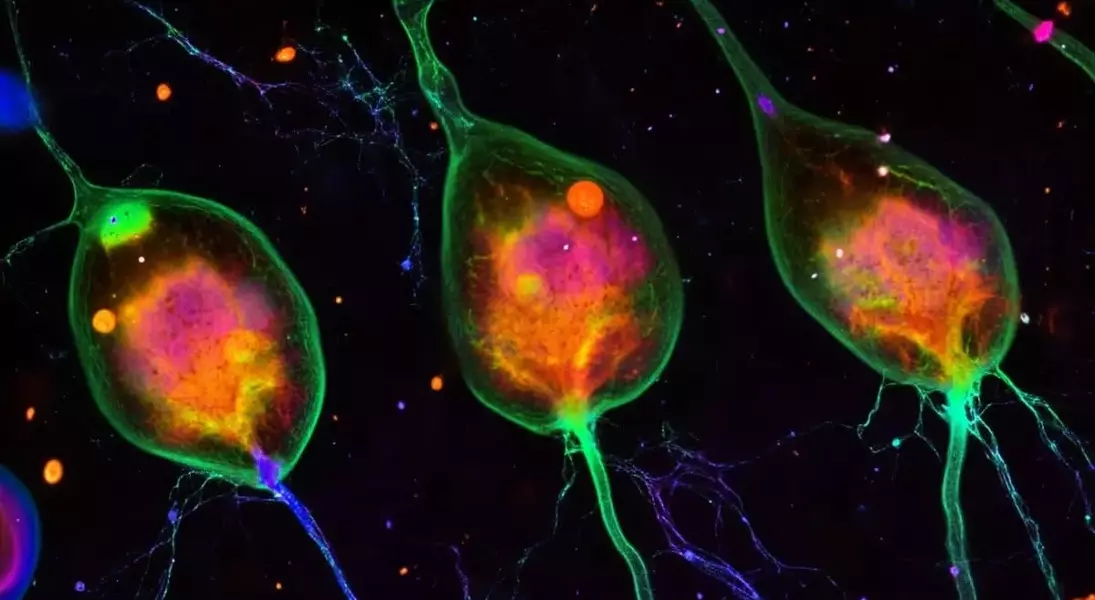
In a groundbreaking revelation, researchers have identified a novel type of neural stem cell residing outside the central nervous system. This discovery challenges long-standing beliefs and could pave the way for innovative therapies targeting neurodegenerative diseases and spinal cord injuries.Unveiling the Potential of Peripheral Neural Stem Cells to Transform Medical Science
For decades, the scientific community has operated under the assumption that neural stem cells are confined solely to the brain and spinal cord. However, recent findings by an international team led by Hans Schöler from the Max Planck Institute for Molecular Biomedicine in Münster have shattered this paradigm. Their research reveals the existence of peripheral neural stem cells (pNSCs), which hold immense promise for advancing regenerative medicine and addressing neurological disorders.
Redefining Neural Stem Cell Paradigms
The traditional understanding of neural stem cells has been fundamentally altered with the identification of pNSCs. These remarkable cells, discovered in non-CNS tissues such as the lung and tail of mice, share striking similarities with their brain-based counterparts. They possess the ability to self-renew and differentiate into neurons, characteristics essential for therapeutic applications.This breakthrough stems from an unexpected source—an experiment initially aimed at replicating stimulus-triggered acquisition of pluripotency (STAP). Although the original STAP results proved irreproducible, the process inadvertently led to the isolation of a rare population of pNSCs. Further investigation confirmed that these cells do not require low pH treatment for cultivation, underscoring their robust nature.In-depth analysis conducted across multiple laboratories demonstrated that pNSCs exhibit key molecular and functional traits comparable to those of brain-derived neural stem cells. Their morphology, self-renewal capabilities, and differentiation potential mirror the properties of CNS-resident stem cells. Moreover, they express specific markers associated with neural stem identity and display transcriptional and epigenetic profiles consistent with brain NSCs.
Challenging Established Dogmas in Neuroscience
The emergence of pNSCs challenges entrenched assumptions about the exclusivity of neural stem cells within the central nervous system. Historically, it was believed that neural crest stem cells represented the sole alternative for generating neurons outside the CNS. However, these cells suffer from limited self-renewal capacity, restricting their utility in long-term neurogenesis.By contrast, pNSCs demonstrate sustained neurogenic activity over extended periods, making them a more viable option for therapeutic interventions. Their accessibility compared to brain-derived NSCs further enhances their appeal. Extracting NSCs directly from the brain poses significant challenges due to invasive procedures and ethical considerations. Conversely, obtaining pNSCs from peripheral tissues offers a practical and less invasive approach.The implications of this discovery extend beyond theoretical insights into mammalian nervous system development. It introduces a transformative perspective on cellular plasticity, suggesting that neural potential is not confined to the CNS but can also manifest in peripheral tissues. This paradigm shift invites reevaluation of fundamental principles governing neural biology.
Pioneering Therapeutic Applications for Neurological Disorders
The identification of pNSCs opens unprecedented avenues for treating neurodegenerative diseases and nerve injuries. If analogous cells exist in humans, they could serve as a readily accessible resource for developing novel therapies. Current approaches often rely on harvesting brain-derived NSCs, a process fraught with technical difficulties and ethical dilemmas. pNSCs provide a promising alternative, circumventing many of these obstacles.Parkinson’s disease, characterized by the progressive degeneration of dopaminergic neurons, stands as one potential beneficiary of pNSC-based treatments. By harnessing the regenerative capacity of these cells, scientists may devise strategies to replace damaged neurons and restore normal brain function. Similarly, spinal cord injuries, which disrupt neural connectivity and impair motor functions, could be addressed through targeted repair using pNSCs.Collaborative efforts involving genetic lineage tracing, single-cell sequencing, and in vivo functional assays have provided compelling evidence supporting the authenticity of pNSCs. This interdisciplinary approach ensures rigorous validation of findings and reinforces confidence in their biological relevance. Future studies will focus on confirming the presence of pNSCs in human tissues and elucidating their full therapeutic potential.
Driving Progress Through Interdisciplinary Collaboration
The success of this study underscores the critical importance of collaborative research spanning diverse fields. Contributions from laboratories specializing in genetics, molecular biology, and developmental neuroscience collectively strengthened the validity of conclusions drawn. Genetic lineage analysis clarified the origin of pNSCs, while single-cell analysis illuminated their molecular characteristics. Functional tests conducted in vivo substantiated their neurogenic capabilities.Hans Schöler emphasized the pivotal role played by this collaborative framework. He highlighted how integrating expertise from various domains ensured comprehensive exploration of pNSC properties. Such synergy exemplifies the power of teamwork in unraveling complex biological phenomena and advancing medical science.As research progresses, the focus will shift toward translating these discoveries into clinical applications. Establishing protocols for isolating and propagating human pNSCs remains a priority. Additionally, optimizing conditions for inducing neuronal differentiation and integration into host tissues will be crucial steps toward realizing their therapeutic promise.In summary, the identification of peripheral neural stem cells represents a monumental leap forward in our understanding of neural biology. Beyond challenging established dogmas, this discovery holds the key to unlocking innovative solutions for combating neurological ailments. Continued investigation promises to unlock new dimensions of regenerative medicine, offering hope to millions affected by debilitating conditions.