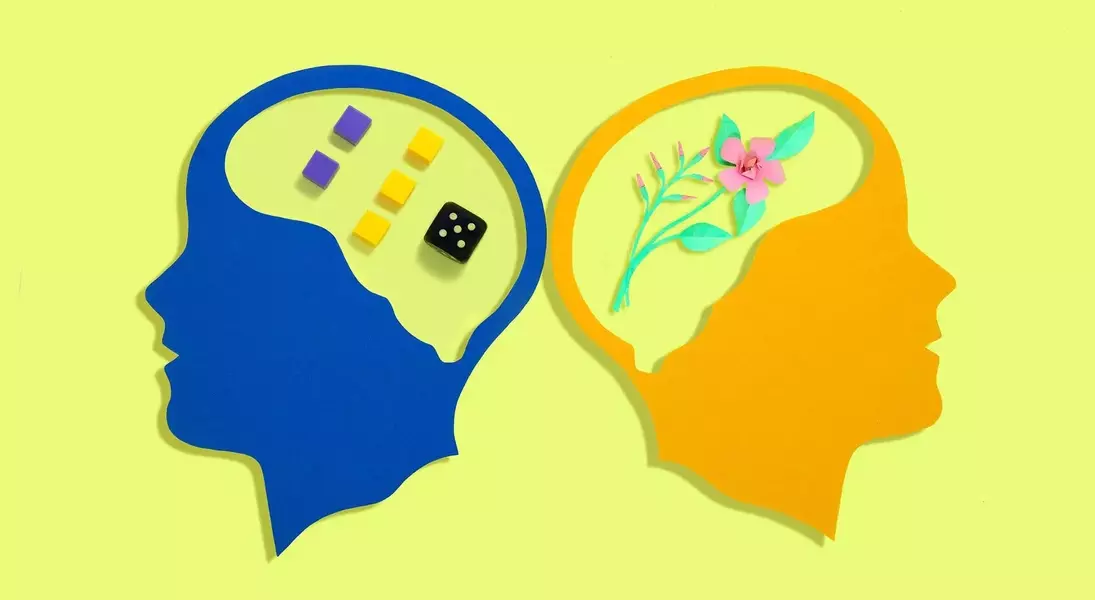
In recent years, mindfulness practices have gained significant traction across various communities. However, researchers are discovering that for neurodiverse individuals, including those with autism, ADHD, or cerebral palsy, these techniques may not only fail to deliver benefits but can sometimes exacerbate mental health challenges. This revelation underscores a pressing need for mindfulness teachings to become more inclusive and adaptable to diverse neurological profiles. While progress has been made in recognizing trauma-sensitive practices, the adaptation of mindfulness for neurodiverse populations remains an underexplored area. Experts emphasize the importance of rethinking traditional methods to ensure accessibility and effectiveness for all.
Exploring the Challenges and Opportunities
In the bustling city of Toronto, at the Azrieli Adult Neurodevelopmental Centre within the Centre for Addiction and Mental Health (CAMH), groundbreaking research is underway. Led by Dr. Yona Lunsky, this initiative seeks to redefine mindfulness practices for neurodiverse individuals. During the course of their studies, researchers have encountered numerous participants who describe adverse reactions to conventional mindfulness exercises. For instance, one young autistic woman shared her distressing experience of focusing on her breath, likened to feeling a tightening noose around her neck. Such responses highlight the critical need for tailored approaches.
Neurodiversity encompasses a wide spectrum of brain functions, each requiring unique considerations. In a world predominantly designed for neurotypical individuals, many neurodivergent people face significant barriers. According to recent statistics, autism affects 1 in 42 males and 1 in 165 females, underscoring the prevalence of this condition. Yet, mindfulness programs often overlook the specific needs of such groups. Dyslexia, ADHD, and other neurodevelopmental disabilities frequently go undiagnosed, leaving many newcomers to mindfulness bewildered by their inability to connect with standard practices.
The roots of this issue trace back to the origins of Mindfulness-Based Stress Reduction (MBSR) in the 1970s at the University of Massachusetts Medical School. Designed primarily for neurotypical populations, MBSR laid the foundation for modern mindfulness teachings but inadvertently excluded neurodiverse individuals. Fortunately, evolving perspectives, championed by figures like Daniel Share-Strom, advocate for adapting mindfulness techniques to align with neurodiverse experiences. Innovations include modifying sensory exercises and replacing abstract metaphors with concrete language to enhance accessibility.
At CAMH, efforts to integrate feedback from neurodiverse advisors into mindfulness programs exemplify a promising shift. By fostering partnerships and embracing flexibility, educators aim to create personalized mindfulness practices that resonate with each individual’s unique cognitive wiring. This approach not only empowers neurodiverse participants but also enriches the broader field of mindfulness teaching.
From a journalist's perspective, this exploration of inclusive mindfulness practices offers profound insights. It challenges us to reconsider preconceived notions about universal solutions and highlights the importance of adaptability in education. By valuing and incorporating neurodiverse perspectives, we pave the way for a more equitable and compassionate society. As mindfulness continues to evolve, its potential to transform lives hinges on our willingness to embrace diversity in all its forms. Through thoughtful innovation and collaboration, we can craft a future where mindfulness truly benefits everyone, regardless of neurological differences.
