Reheating pasta often leads to a disappointing meal, transforming a delicious dish into a congealed, unappetizing mess. This comprehensive guide delves into the culinary science behind this common frustration, explaining why leftover pasta loses its appeal and, more importantly, how to reclaim its original glory. Through a series of meticulous tests involving both tomato and creamy cacio e pepe sauces, we uncover the most effective methods to combat starch retrogradation and maintain sauce integrity, ensuring your reheated pasta is as enjoyable as the freshly cooked version.
The dilemma of leftover pasta is a familiar one. Imagine opening your refrigerator to a promising container of last night's spaghetti, anticipating a quick and satisfying lunch. Yet, after a brief stint in the microwave, the once-vibrant dish transforms into a dry, gummy, and often unappetizing meal, with the sauce separated and the noodles clumped together. This disheartening experience prompts a quest for answers: What causes this culinary catastrophe, and can we prevent it? To address these questions, a thorough investigation was conducted, comparing various reheating techniques for pasta coated in both a rich tomato sauce and a delicate cacio e pepe sauce.
The successful reheating of pasta largely depends on how it was initially prepared. For sauced pasta, where noodles are cooked to just under al dente and then combined with the sauce, the ingredients form a cohesive emulsion. The pasta absorbs some sauce and releases starch, creating a glossy coating that binds everything together. This integration, while delicious when fresh, complicates reheating. Because the sauce and noodles are intrinsically linked, separating them for reheating is not an option. Instead, the challenge lies in managing heat and moisture simultaneously to preserve this delicate balance. This approach differs significantly from reheating plain boiled pasta or baked dishes like lasagna, where the components are not as intimately merged.
A critical factor in achieving reheated pasta perfection is the initial quality of the cooked noodles. If the pasta is already overcooked, meaning the starch granules have excessively swollen and burst, and the gluten structure has weakened, no reheating method can truly salvage it. The goal of reheating is to reverse the retrogradation of starches, a process that occurs as pasta cools. Starches, long chains of glucose molecules, retrograde by re-linking into more crystalline structures, causing the pasta to firm up and release moisture, leading to dryness and a rubbery texture. Additionally, as moisture leaves the noodles, it also draws away from the sauce, breaking its emulsion and causing fats to separate. Therefore, successful reheating involves gently reintroducing heat and moisture to rehydrate the pasta and re-emulsify the sauce without further cooking the noodles.
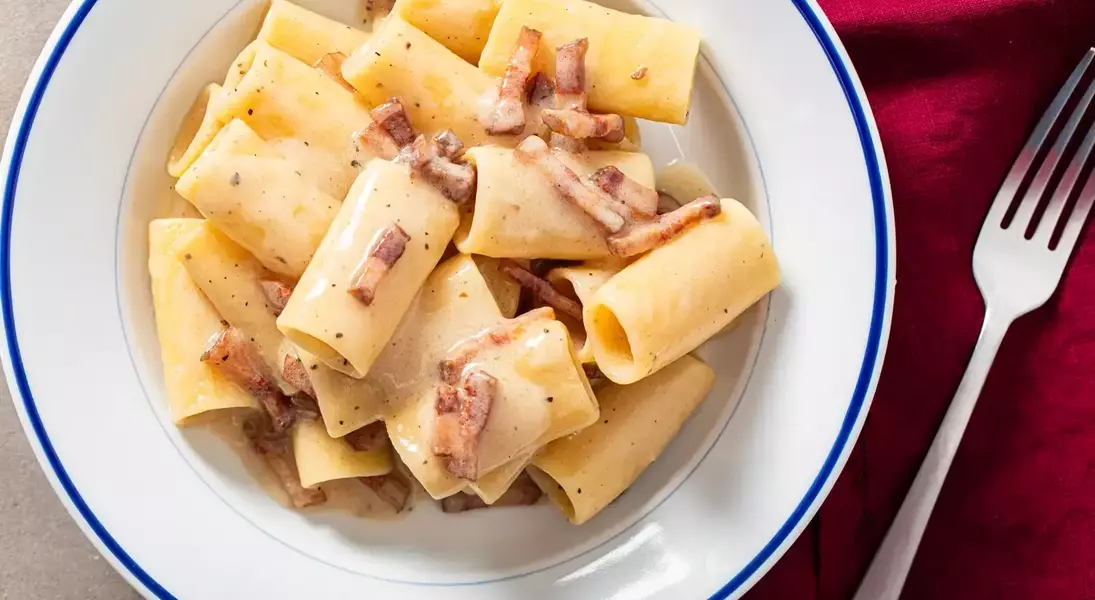
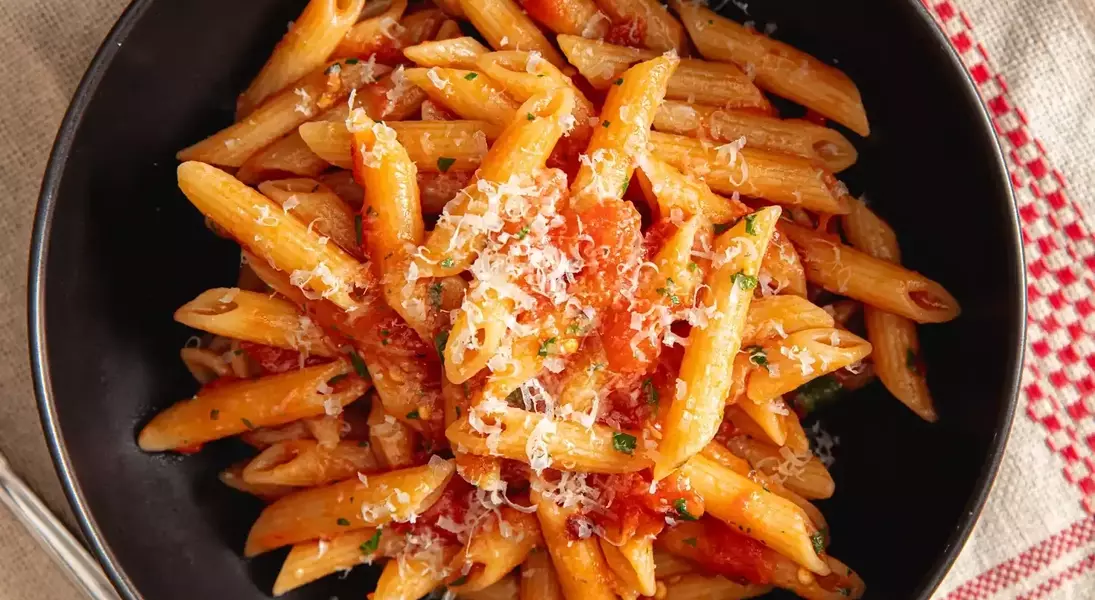
To rigorously test various reheating strategies, two distinct pasta dishes were prepared: spaghetti with a classic tomato sauce and cacio e pepe. Both were cooked to optimal texture and perfectly sauced. After cooling, they were portioned, sealed, and refrigerated overnight to simulate a typical leftover scenario. The following day, five common reheating methods were applied to each: microwaving uncovered, microwaving covered with a splash of water, stovetop sautéing with water, using a double boiler, and oven reheating. Each method was evaluated based on the resulting pasta's texture, the sauce's consistency, and the overall flavor.
The results highlighted significant differences across the methods. Microwaving pasta uncovered proved to be the least effective, leading to uneven heating, dry edges, and cold centers. The tomato sauce became leathery and overcooked in parts, while the cacio e pepe transformed into a grainy, greasy paste. Covering the pasta with water and microwaving offered a slight improvement by generating steam, but often resulted in mushy noodles and diluted flavors. The oven, while suitable for baked pasta, was detrimental to sauced pasta, causing sauces to thicken and bake onto the dish before the noodles could properly reheat. The stovetop sauté, however, emerged as a highly effective method for tomato-based sauces, replicating the original cooking conditions with heat, moisture, and agitation. For delicate dairy-based sauces like cacio e pepe, the double boiler method, though slower, excelled in preserving the emulsion through gentle, indirect heat.
Ultimately, the key to successful pasta reheating lies in mimicking the original cooking process, emphasizing the importance of moisture, consistent movement, and controlled heat. The stovetop sauté is generally the most versatile and efficient method for most sauced pastas, while the double boiler offers a precise and gentle approach for particularly sensitive cream or cheese-based sauces, ensuring a consistently high-quality meal.
