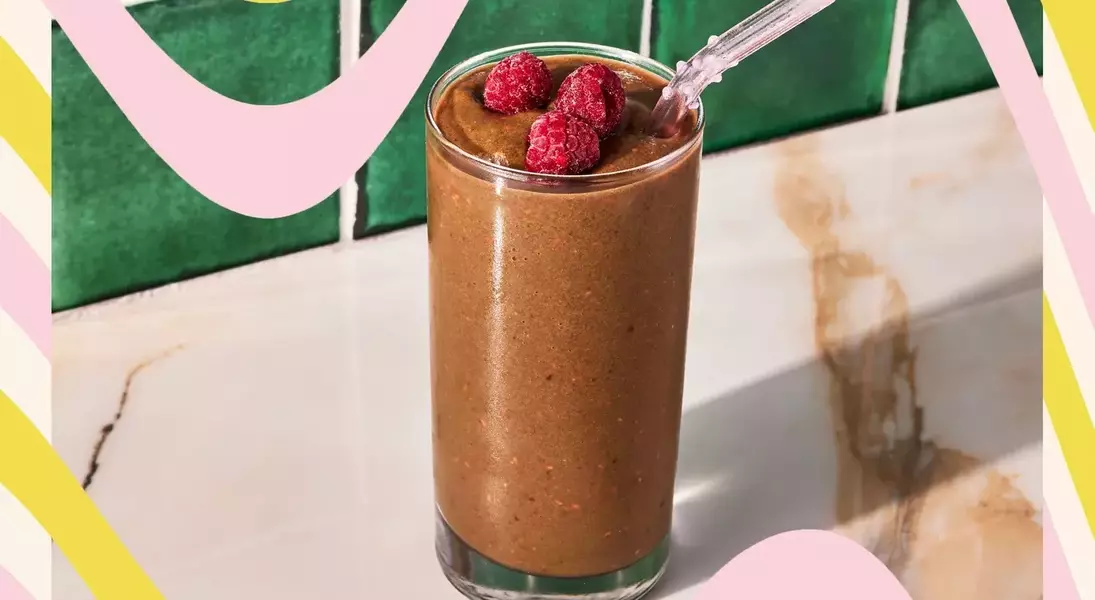
Despite prevailing social media narratives that often malign fruit for its sugar content, leading many to needlessly restrict it from their diets, whole fruits are invaluable nutritional powerhouses. Unlike refined sugars found in processed foods, the sugars in fruit are naturally occurring and accompanied by a rich array of fiber, essential vitamins, vital minerals, and potent antioxidants. These components collectively contribute to optimal bodily function and disease prevention. This article champions the integration of various 'misunderstood' fruits into daily smoothies, emphasizing their health benefits and role in creating a well-rounded diet.
The skepticism surrounding fruit consumption, particularly its carbohydrate content, is a common concern dietitian and health coach Jessica Cording has observed in her practice. However, she stresses that fruits, in their whole form, are fundamentally different from high-sugar snacks like cookies or chips. When blended into smoothies, fruits retain their beneficial fiber, which is crucial for blood sugar regulation and prolonged satiety. Furthermore, the blending process preserves important vitamins, minerals, and antioxidants, all vital for maintaining overall health. Decades of scientific research consistently support the inclusion of fruits in the diet, highlighting their significant role in preventing various diseases, including cardiovascular conditions, and their contribution to a longer, healthier life.
Avocado, often mistaken for a vegetable, is indeed a fruit that brings immense nutritional value to smoothies. Rich in heart-healthy monounsaturated fats, fiber, potassium, magnesium, and vitamins B6 and E, avocados also impart a desirable creamy texture. A single serving provides 80 calories and 3 grams of fiber. Moreover, its fat content enhances the absorption of fat-soluble vitamins (A, E, D, K) from other smoothie ingredients. Studies also indicate that daily avocado consumption can significantly improve overall diet quality.
Blueberries, with their vibrant blue-purple hue, are tiny nutritional powerhouses. A cup of blueberries offers 4 grams of dietary fiber for only 80 calories and is packed with antioxidants, especially anthocyanins. These compounds are known for their role in preventing chronic diseases such as type 2 diabetes, cardiovascular disease, and obesity. Their natural sweetness allows for the inclusion of vegetables like riced cauliflower in smoothies without compromising taste, making them an excellent choice for post-workout recovery or a healthy start to the day.
Dates, another fruit often scrutinized for its sugar content, are a nutrient-dense alternative to added sweeteners. One Medjool date, providing about 70 calories, 16 grams of natural sugars, and 2 grams of fiber, also contains essential nutrients like potassium, vitamin B6, copper, and antioxidants such as flavonoids, carotenoids, and phenolic acid. Dates serve as a natural sweetener in various recipes, contributing to both flavor and nutritional value.
Mangoes, despite their higher sugar content, are highly beneficial. A cup of fresh mango contains 23 grams of natural sugar, 3 grams of fiber, and two-thirds of the daily recommended vitamin C, all for just 100 calories. Research highlights mangoes' polyphenol content, which offers antioxidant and anti-inflammatory benefits, supporting immune function and potentially guarding against certain cancers.
Pineapples are tropical fruits perfect for smoothies, contributing a sweet and tangy flavor. A cup delivers about 16 grams of natural sugar, 2.5 grams of fiber, and nearly a day's worth of vitamin C for 80 calories. Beyond their delightful taste, pineapples are rich in antioxidants like vitamin C, manganese, flavonoids, and phenolic compounds, bolstering immune health and aiding in healing. They also contain bromelain, an enzyme that supports healthy digestion.
Prunes, or dried plums, are small but mighty additions to any smoothie. Five pitted prunes offer 3.5 grams of fiber and just under 100 calories. Their sugar content, around 18 grams, includes sorbitol, a sugar alcohol that is not fully absorbed by the body and can help promote digestive regularity. Additionally, prunes are celebrated for their bone-strengthening benefits, particularly for postmenopausal women.
To craft a balanced and highly nutritious smoothie, nutrition experts recommend adhering to a few key principles. First, aim for a two-to-one ratio of non-starchy vegetables to fruit; options like frozen riced cauliflower or leafy greens such as spinach and kale can enhance texture, fiber, and antioxidant content. Second, incorporate a robust protein source, such as low-fat Greek yogurt, cottage cheese, cow's milk, kefir, unsweetened soymilk, pea protein milk, or protein powder, to increase satiety and muscle support. Lastly, include a healthy fat source like avocado, chia seeds, ground flaxseed, hemp hearts, nuts, or nut butter. These fats not only improve the absorption of fat-soluble vitamins but also slow digestion, contributing to balanced blood sugar levels and sustained energy throughout the day. Experimenting with different fruit and ingredient combinations allows for endless flavorful and healthful smoothie creation
