
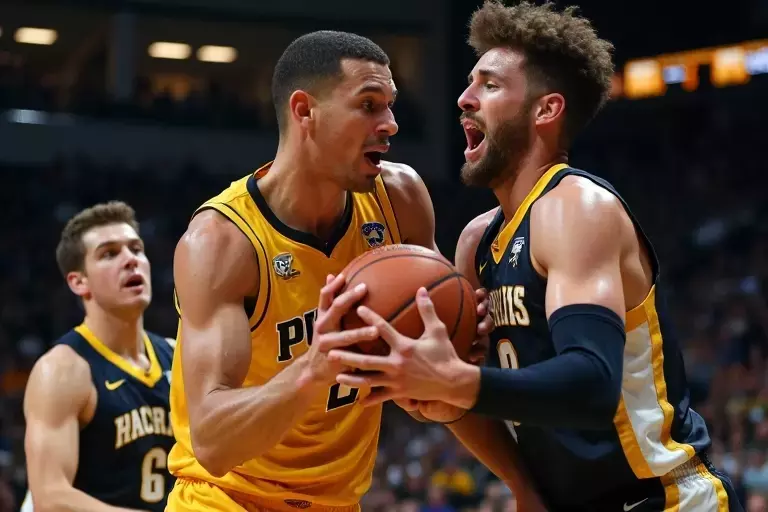
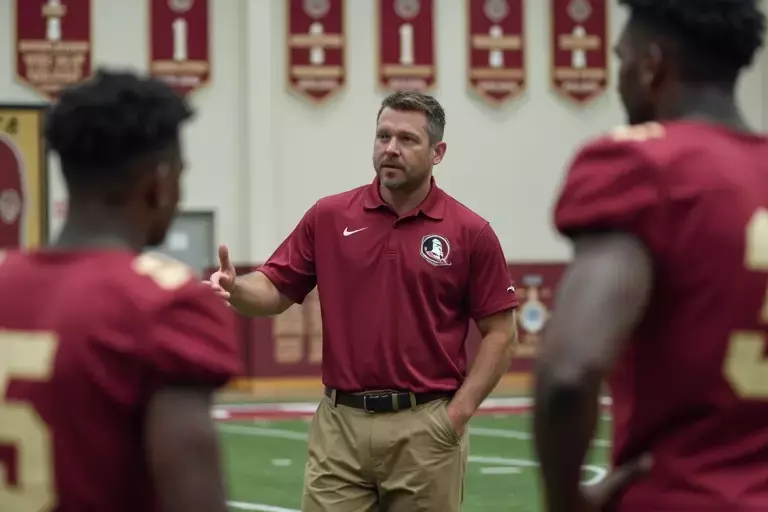

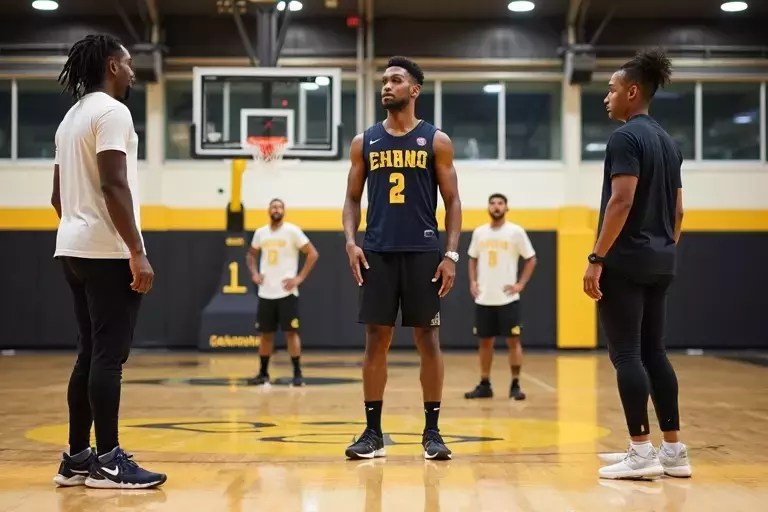


The Atlantic Coast Conference (ACC) is experiencing a renaissance, driven by strategic coaching changes and roster overhauls. From NC State's promising new direction under Will Wade to Virginia's transformative leadership with Ryan Odom, the league is regaining its competitive edge. With rosters settling into place, this analysis delves into the tiers defining the ACC's landscape, offering insights into potential champions and tournament contenders.
Unveiling Potential: The Road to ACC Dominance
In an era where college basketball competition is fiercer than ever, the ACC emerges as a battleground for greatness. This article explores the intricate dynamics shaping each tier within the conference, uncovering strengths, weaknesses, and opportunities for growth. Through meticulous evaluation, it becomes evident that certain teams are poised for significant breakthroughs.
Tier One: Championship Aspirants
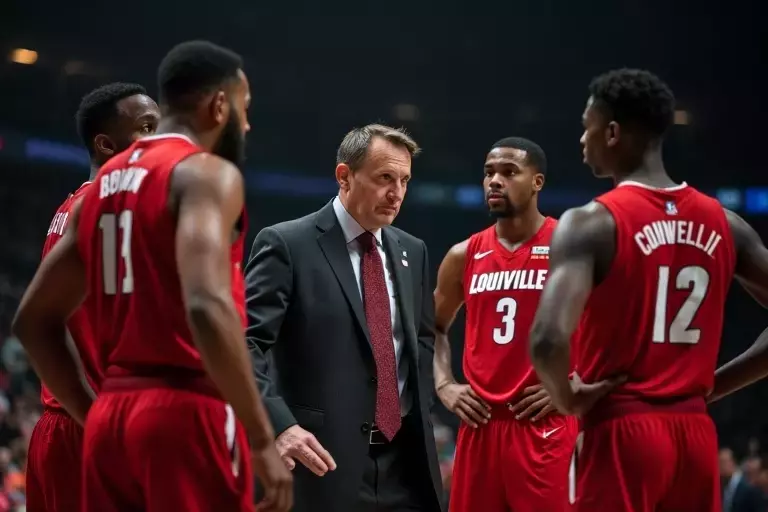
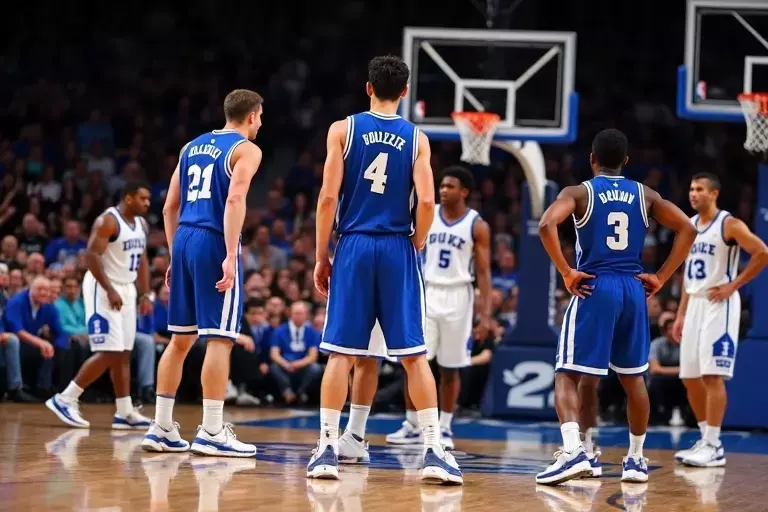
At the pinnacle of the ACC hierarchy lie Louisville and Duke, two powerhouses demonstrating the qualities essential for championship contention. Both programs boast elite talent, seasoned leadership, and versatile schemes capable of adapting to any challenge.
Louisville's resurgence under Pat Kelsey showcases a team defined by offensive innovation. The Cardinals deploy a dynamic backcourt featuring Mikel Brown Jr., Ryan Conwell, and Isaac McKneely, whose shooting prowess could redefine three-point efficiency. Complementing this firepower is J’Vonne Hadley, whose veteran presence stabilizes the lineup. Depth extends through Adrian Wooley and Kasean Pryor, ensuring sustained performance across games.
Duke maintains its legacy of excellence with Jon Scheyer at the helm. Cameron Boozer anchors a formidable frontcourt alongside Patrick Ngongba and Maliq Brown, providing diverse scoring options. Caleb Foster's return adds stability to the guard position, while Isaiah Evans and Dame Sarr enhance perimeter play. This combination of size, skill, and experience positions Duke as a perennial contender.
Tier Two: Elite Contenders
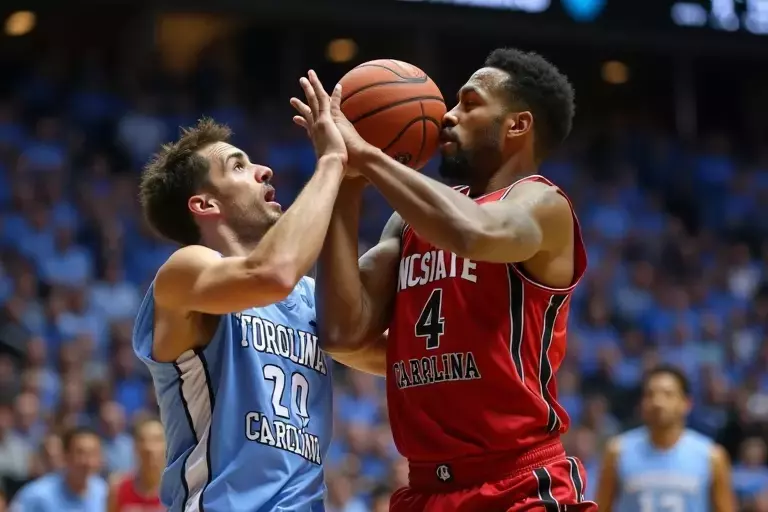
Beneath the championship threshold resides a group distinguished by their ability to compete consistently at high levels. North Carolina and NC State exemplify this category, leveraging unique strengths to challenge upper-tier opponents.
North Carolina’s evolution under Hubert Davis highlights improved balance and versatility. The addition of shooters like Caleb Evans and Rokas Bogavac enhances spacing, allowing Garrison Brooks to thrive in the paint. Defensive upgrades through Armando Bacot and Pete Nance fortify the team against top-tier offenses. However, integrating Isaiah Stewart as a primary point guard presents challenges requiring resolution.
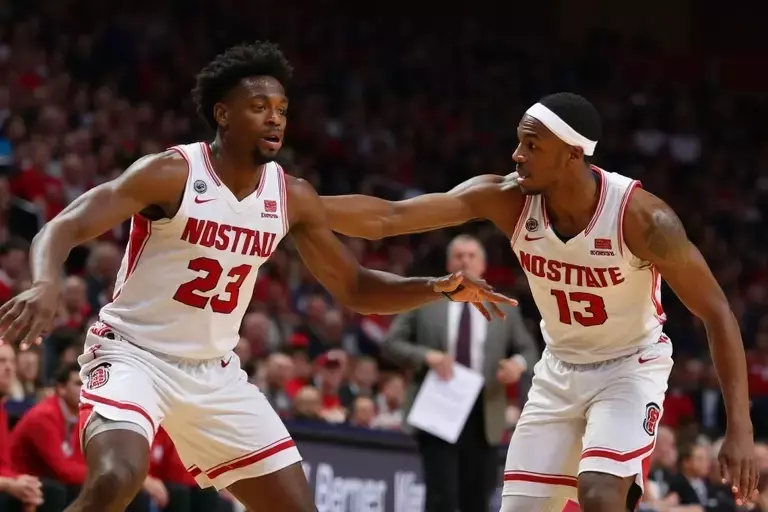
NC State's defensive identity shapes its approach under Will Wade. The Wolfpack utilize switchable wings such as Terquavion Smith and Devon Daniels to disrupt opposing attacks. Offensively, Jericole Hellems provides reliable scoring, supported by Cam Hayes' playmaking abilities. While adjustments may hinder initial cohesion, long-term potential remains strong.
Tier Three: Tournament Hopefuls
Transitioning from consistent performers to occasional upsets characterizes Tier Three teams. SMU, Miami, Syracuse, Notre Dame, Wake Forest, and Clemson occupy this space, balancing ambition with uncertainty.
SMU's blend of experienced guards and emerging big men creates intriguing possibilities. Boopie Miller and Furkan Yigitoglu form a core capable of excelling when chemistry aligns. Transition offense fueled by fast-paced execution complements interior dominance, though managing egos among key contributors poses risks.
Miami reflects progress under Jai Lucas, emphasizing defense without compromising offensive creativity. Isaiah Wong leads a group incorporating Khalil Iverson and Jordan Miller, fostering resilience through varied contributions. Addressing shooting deficiencies becomes crucial for sustained success beyond regular-season matchups.
Syracuse relies on zone defense mastery coupled with developing talent. Kiyan Anthony and Sadiq White inject athleticism and scoring versatility, complemented by veterans like Buddy Boeheim and Joe Girard III. Overcoming last season's struggles necessitates cohesive integration of newcomers and established players.
Tier Four: Rebuilding Foundations
Pittsburgh, Florida State, California, Georgia Tech, Virginia Tech, Boston College, and Stanford represent the rebuilding phase within the ACC. These programs focus on foundational improvements rather than immediate results.
Pittsburgh prioritizes physicality through prospects like Brandon Goldsmith and John Hugley, aiming to dominate boards and second-chance points. Balancing interior strength with perimeter development remains critical for elevating competitiveness.
Florida State adapts under Luke Loucks, emphasizing senior leadership and role-player contributions. Malik Maghee and Raiquan Gray contribute immediately, while younger talents develop behind them. Ensuring continuity amidst turnover tests organizational depth.
California seeks stability following departures, relying on returning stalwarts like Andrej Stojakovic and Jeremiah Wilkinson. Developing complementary pieces around these cornerstones guides future aspirations.
Georgia Tech navigates transition under Damon Stoudamire, focusing on frontcourt fortification via Baye Ndongo and Mo Sylla. Supporting cast members must elevate performances to compensate for inconsistent backcourt play.
Virginia Tech incorporates transfers strategically, enhancing overall capability through Pasha Steen and others. Building consistency across all phases determines upward mobility within the conference standings.
Boston College anchors efforts around Makai Hand and Jair Bolden, promoting synergy between experienced leaders and burgeoning support systems. Achieving harmony propels progression forward.
Stanford reconstructs quietly, investing in internal growth led by Chisom Okpara and Oskar Giltay. Maximizing latent potential transforms modest expectations into tangible achievements.
