
The integration of popular cultural franchises into Magic: The Gathering through its "Universes Beyond" initiative has introduced a unique challenge for the game's draft and sealed formats, specifically concerning the "legend rule." While these crossover sets aim to draw in new players by featuring beloved characters, the high density of legendary creatures within them inadvertently complicates gameplay. This article delves into how this phenomenon impacts the strategic depth of drafting and proposes a targeted adjustment to the legend rule to improve the experience for players in these particular formats.
The Legend Rule's Impact on Modern Draft Formats
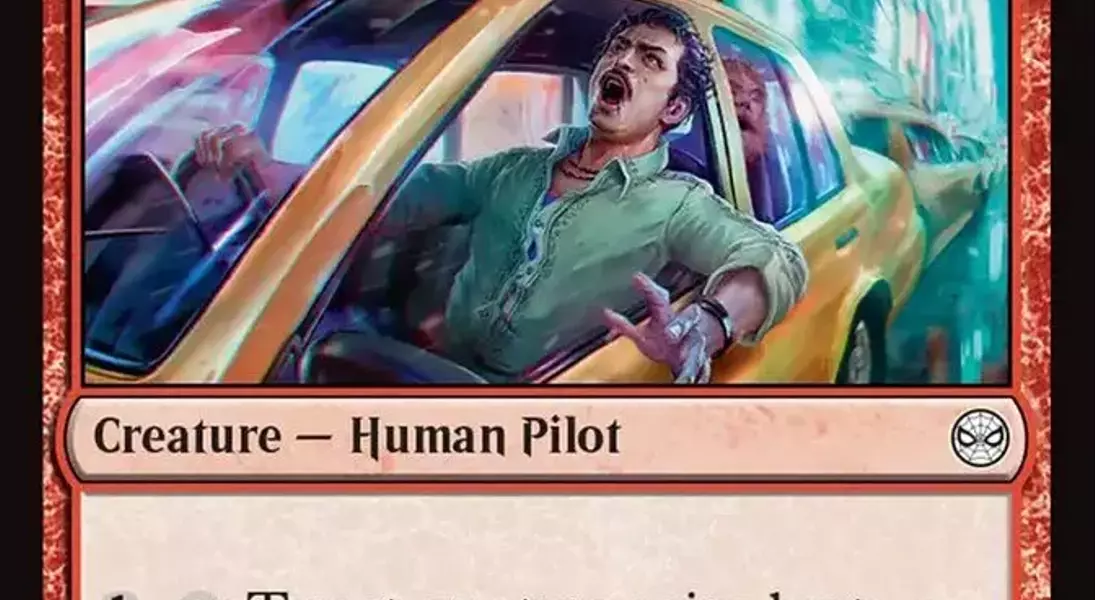
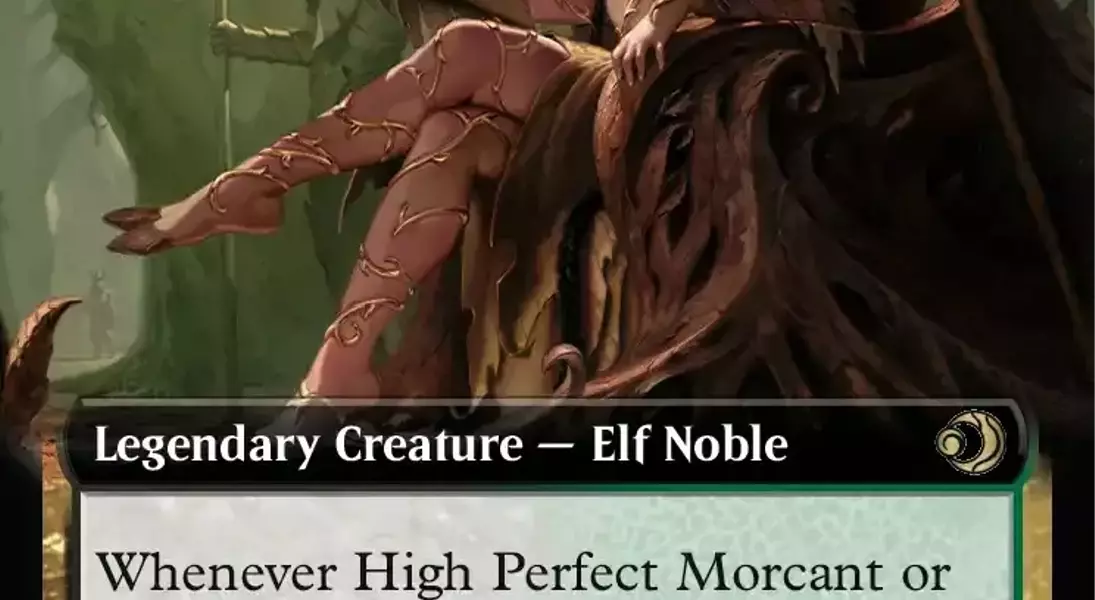
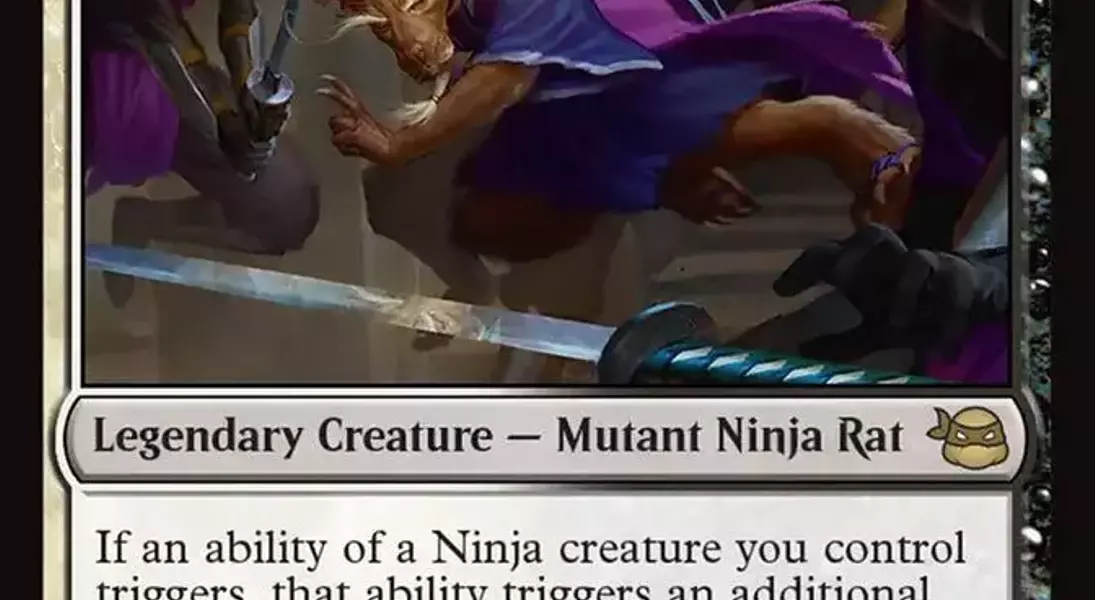
The influx of legendary creatures in Magic: The Gathering's "Universes Beyond" sets, such as those inspired by Spider-Man and Teenage Mutant Ninja Turtles, is creating unexpected difficulties for draft and sealed formats. Historically, legendary creatures were sparingly distributed, especially at common and uncommon rarities. However, recent crossover expansions have significantly altered this balance, with a substantial portion of creatures now bearing the legendary designation. This shift clashes directly with the "legend rule," which dictates that players cannot control multiple legendary permanents with the same name simultaneously, forcing all but one into the graveyard. This rule, designed to maintain balance and uniqueness in standard play, becomes a counterproductive restriction in draft environments where players aim for deck consistency and often acquire multiple copies of strong cards.
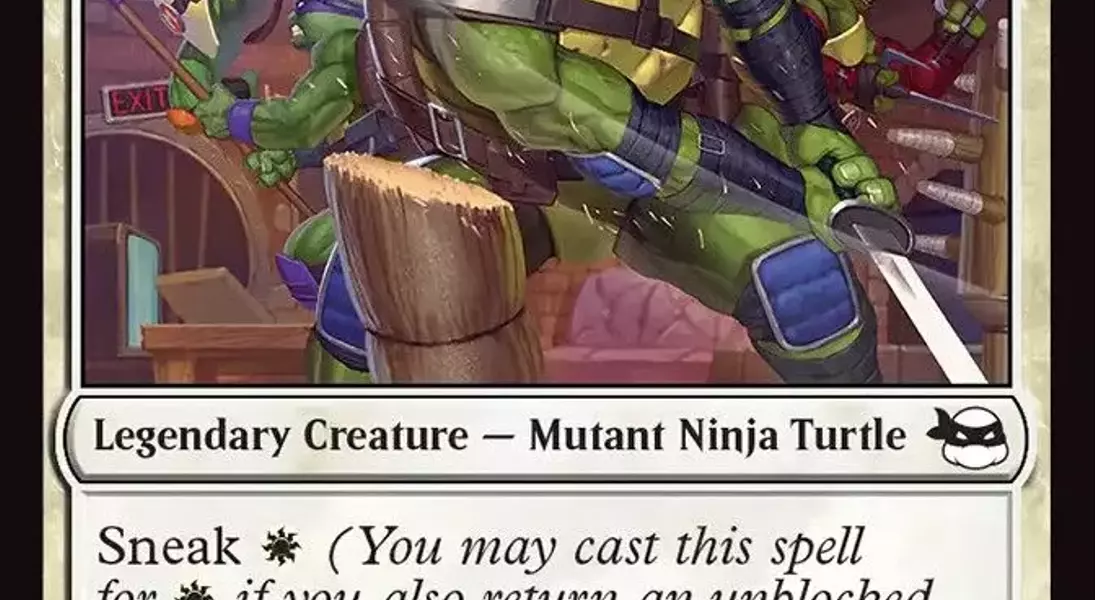
In draft and sealed formats, players typically strive to build synergistic decks by selecting several copies of effective creatures. For instance, in a "Teenage Mutant Ninja Turtles" draft, a player might be tempted to pick numerous "Leonardo, Big Brother" cards due to their individual strengths or potential for synergy. However, the legend rule severely curtails this strategy, preventing players from fielding more than one at a time, thereby diminishing the value of acquiring duplicates. This situation is further exacerbated by the limited pool of non-legendary options in some licensed franchises, leading to the inclusion of less memorable cards to fill out sets. The head designer, Mark Rosewater, acknowledges the appeal of playing with favorite characters, yet this creative direction inadvertently undermines the strategic depth and enjoyment of drafting. The inherent conflict between the desire for popular characters and the mechanical constraints of the legend rule highlights a growing tension that could deter players from fully engaging with these formats.
A Proposed Solution: Modifying the Legend Rule for Draft
Addressing the current challenges in Magic: The Gathering's draft and sealed formats, a compelling solution emerges: a targeted modification to the "legend rule." While the rule serves a vital purpose in other gameplay environments by preserving the uniqueness and power balance of legendary creatures, its application in limited formats often hinders player creativity and strategic deck-building. Unlike constructed formats where players carefully curate their decks, draft and sealed rely on spontaneous choices from booster packs. In these scenarios, acquiring multiple copies of a legendary creature should be seen as an opportunity for strategic depth rather than a constraint that forces players to discard valuable cards due to an overarching rule that isn't ideally suited for the format's dynamic nature.
Implementing a format-specific exemption for the legend rule in draft and sealed environments could significantly enhance the player experience. By allowing players to control multiple legendary permanents of the same name, the core issue of limiting consistent deck construction in sets rich with legendary creatures would be resolved. This change would not only validate the strategic decisions of players who draft multiple copies of a strong legendary card but also encourage more diverse and exciting deck archetypes within these formats. Furthermore, the likelihood of an individual player drafting an overwhelming number of highly potent legendary creatures remains relatively low, ensuring that such a modification would not severely unbalance gameplay. This targeted adjustment presents a pragmatic and effective way to mitigate the downsides of the "Universes Beyond" initiative on draft play, fostering a more engaging and less restrictive environment without necessitating a complete overhaul of the game's broader ruleset.
