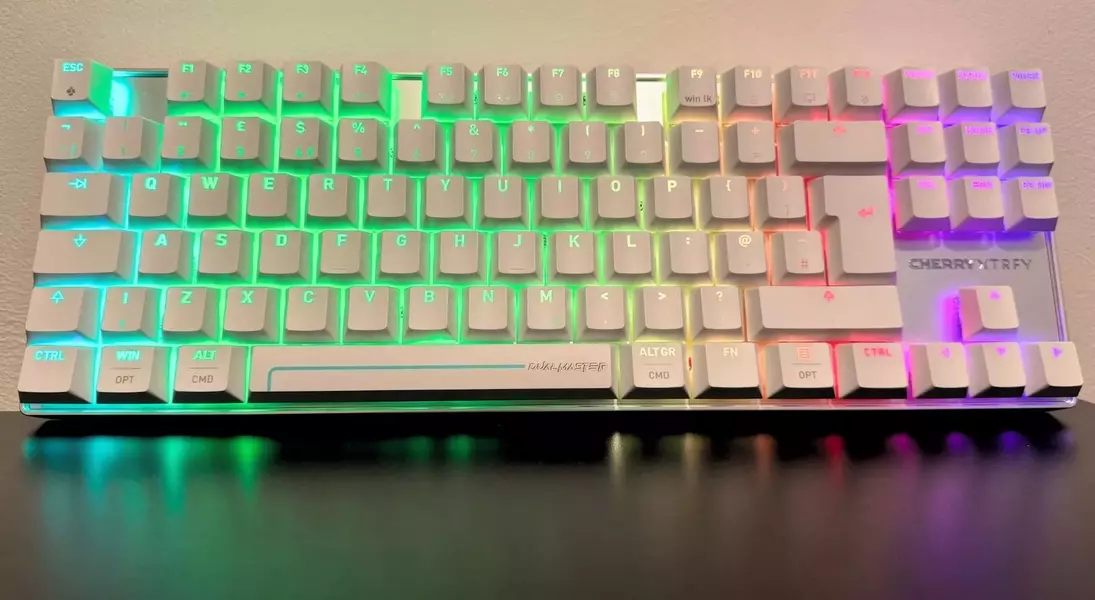
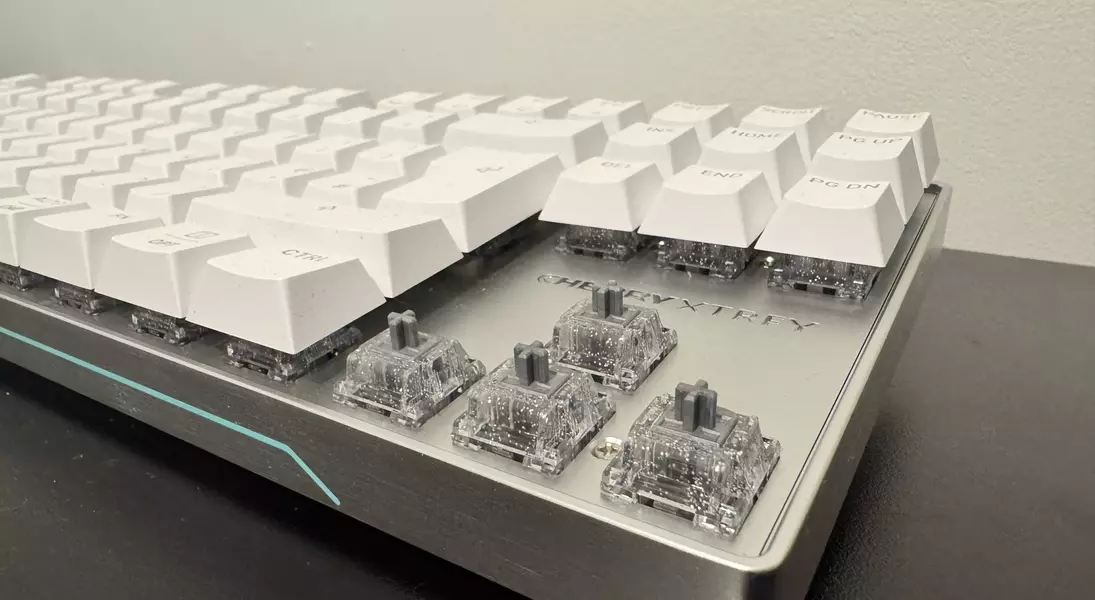
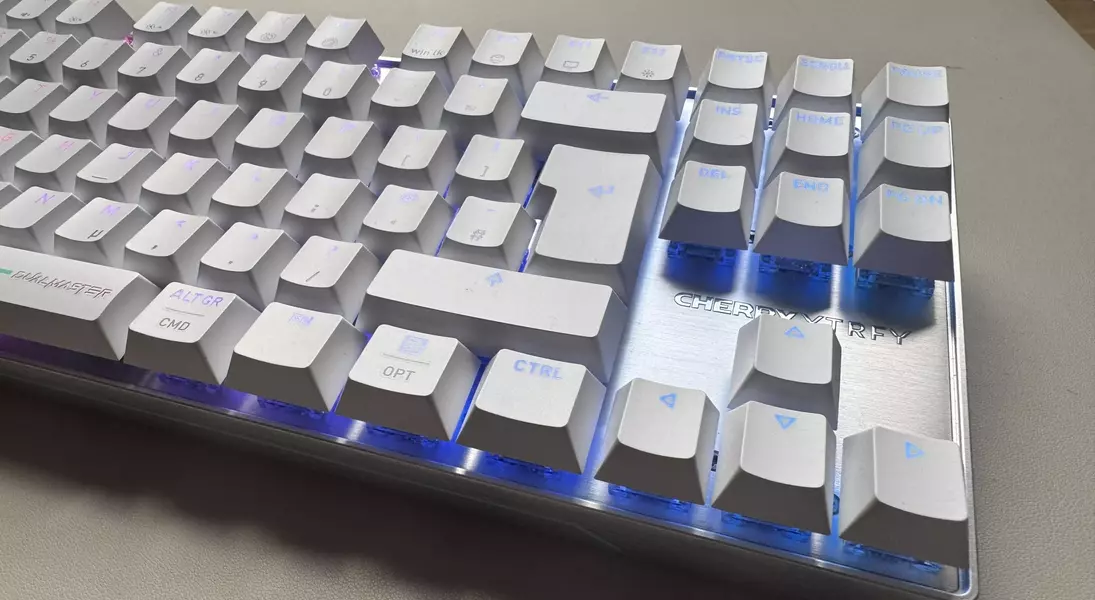
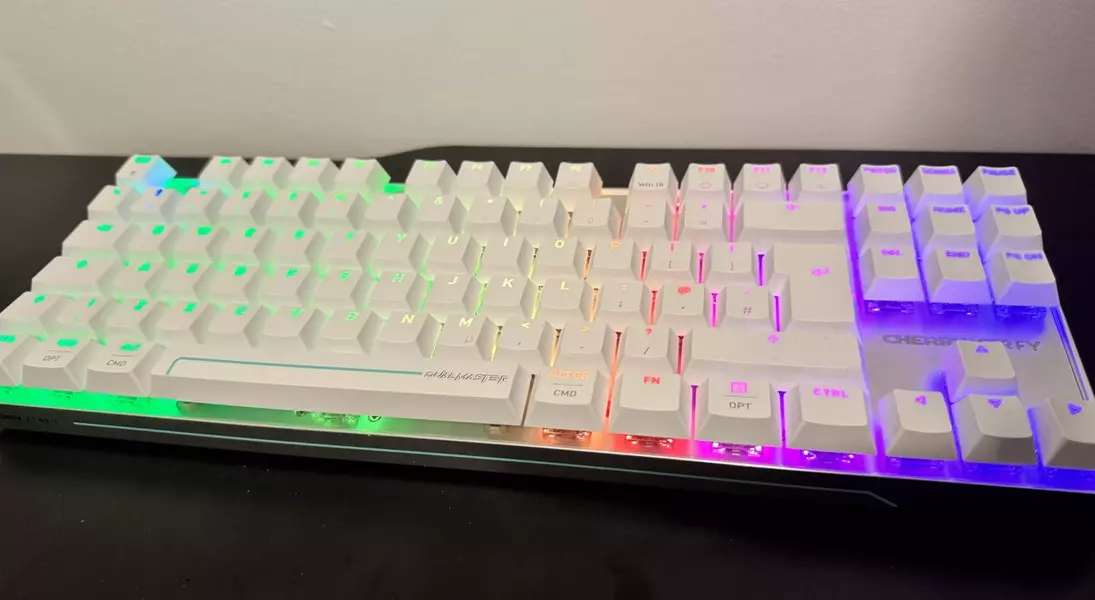
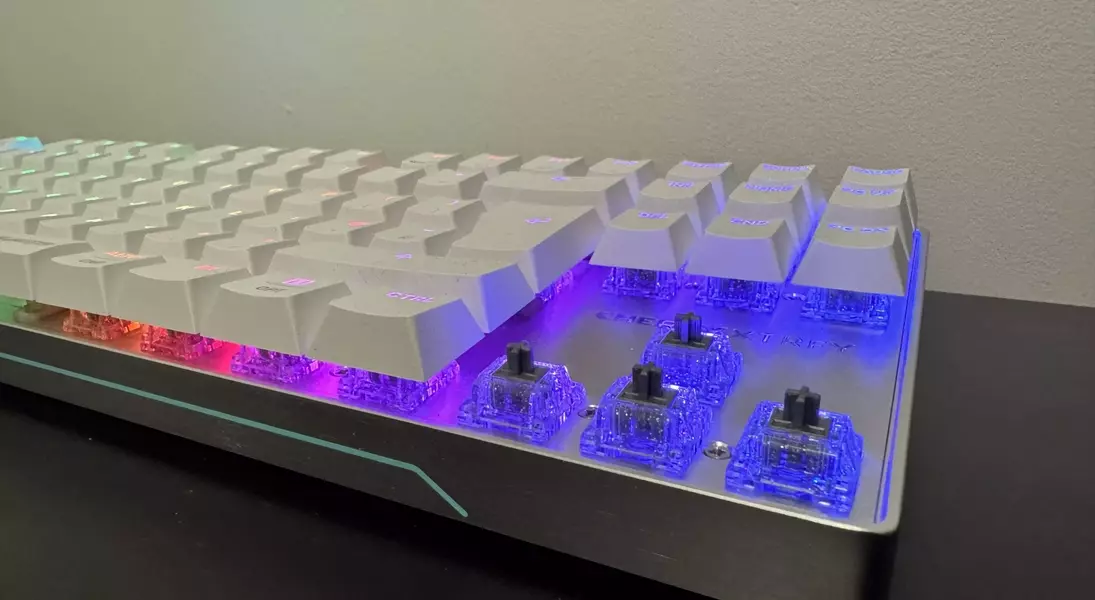
The Cherry Xtrfy MX 8.2 Pro TMR TKL keyboard presents a fascinating look at the potential future of input technology, featuring advanced Tunnel Magnetoresistance (TMR) magnetic switches. While offering exceptional precision and a satisfying typing experience, its premium price tag of $250 positions it as a niche product. Despite its robust build and cutting-edge features like rapid trigger and dynamic keystroke customization, the market currently offers compelling alternatives that provide comparable performance or a more well-rounded feature set at a lower cost, making it a challenging recommendation for the average gamer.
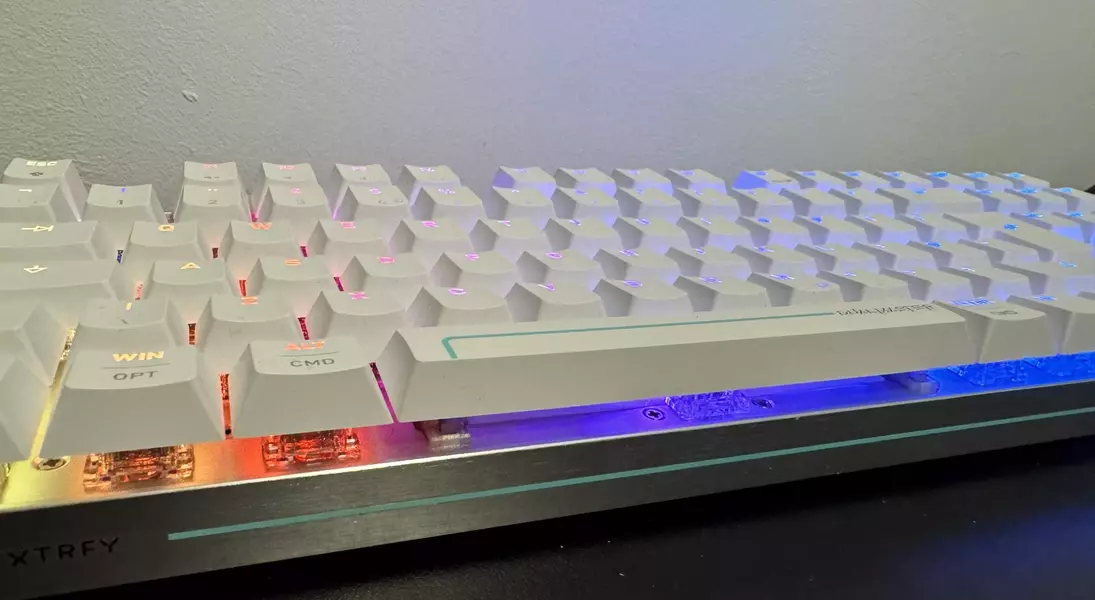
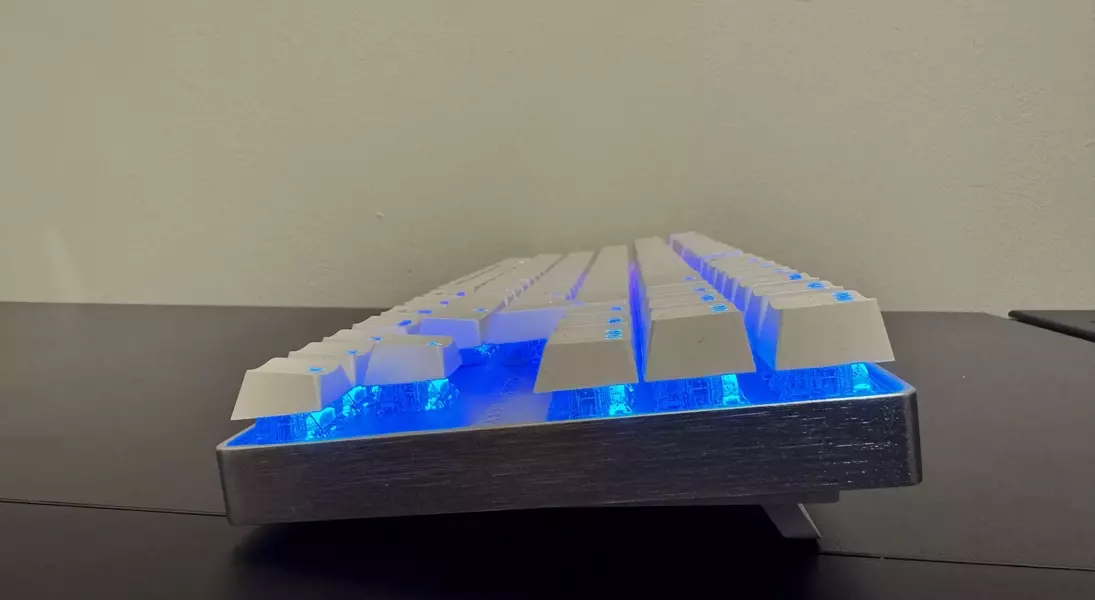
A gaming keyboard priced at $250 needs to truly stand out, and the Cherry Xtrfy MX 8.2 Pro TMR TKL attempts to do so with its innovative TMR magnetic switches. While its white, blue, and silver aesthetic with RGB lighting may not appeal to everyone, its solid construction and lack of flex are undeniable. The proprietary Mag Crate software, initially defaulting to Chinese but now fixed, allows users to fully leverage the capabilities of the TMR sensors, which boast superior sensitivity and accuracy compared to traditional mechanical and even Hall effect switches. This technology, already gaining traction in controllers, is poised to become more prevalent in keyboards.
TMR technology offers several advantages, including faster response times, reduced battery consumption, and heightened sensitivity. However, these benefits are marginal when compared to the already excellent performance of Hall effect keyboards, which are significantly more affordable. While Cherry claims an impressive 0.01 mm key press precision, similar precision is available in other brands like Asus' ROG Falchion Ace 65 HE. The keyboard's battery life, advertised at up to 300 hours in Bluetooth mode, sees a considerable reduction when utilizing 2.4 GHz wireless or higher polling rates, highlighting a trade-off for its advanced specifications.
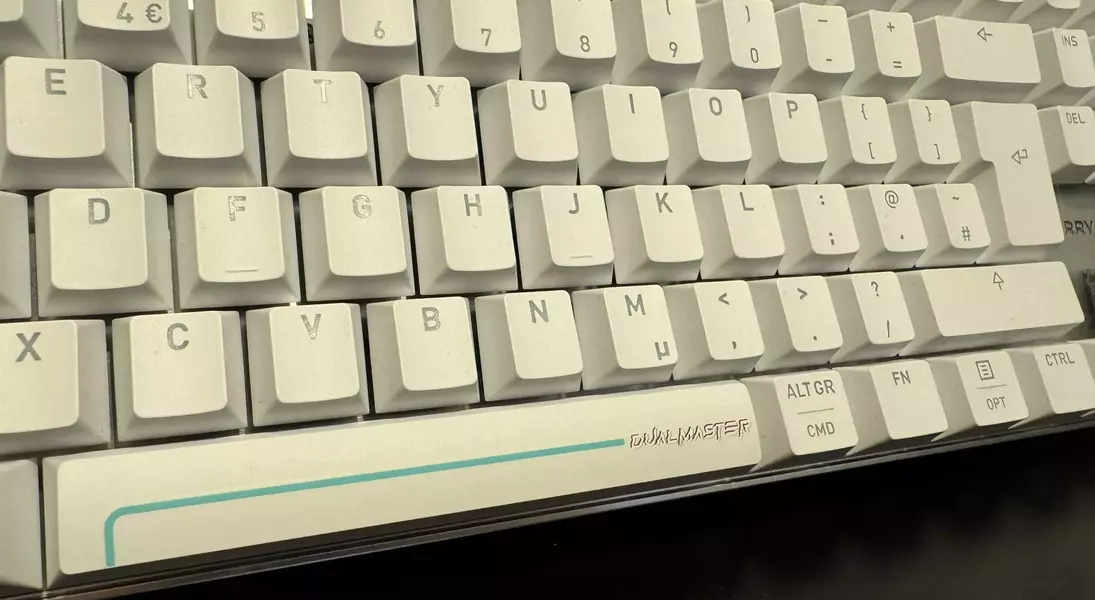
The typing experience on the Xtrfy MX 8.2 Pro TMR TKL is undeniably pleasant, characterized by comfortable key presses, a satisfying 'thock' sound, and smooth PBT keycaps. The five-layer sound dampening contributes to a refined acoustic profile. For competitive gaming, especially titles like Counter-Strike 2 or Valorant, its rapid trigger feature, which registers key release as the key begins its upward travel, provides a distinct advantage by allowing instantaneous stopping and improved aiming. However, for casual or single-player games, these high-end features offer little discernible benefit over more budget-friendly options.
The current market offers a variety of keyboards that provide strong competition. For instance, the Gamakay X Naughshark NS68 offers solid Hall effect performance for as little as $40, while the Keychron K2 HE delivers excellent switches and battery life for $140, all with a more understated design. Even Logitech's G Pro X TKL Rapid, with a similar form factor, is $80 cheaper and offers a wider range of actuation customization. Higher-end alternatives like the Asus ROG Azoth, previously priced similarly, provide a premium experience with aesthetic appeal, robust construction, an OLED screen, and media controls.
The primary hurdle for the Cherry Xtrfy MX 8.2 Pro TMR TKL is its price. While TMR technology is indeed promising for the future of keyboards, Cherry's early adoption comes with a steep cost that may deter many potential buyers. It's plausible that other manufacturers will soon integrate TMR into a broader range of keyboards at more competitive prices. This financial barrier, coupled with Cherry's recent business challenges, places the MX 8.2 Pro TMR TKL in a peculiar market position, valued mainly by a very specific segment of competitive gamers who prioritize cutting-edge technology regardless of cost.
