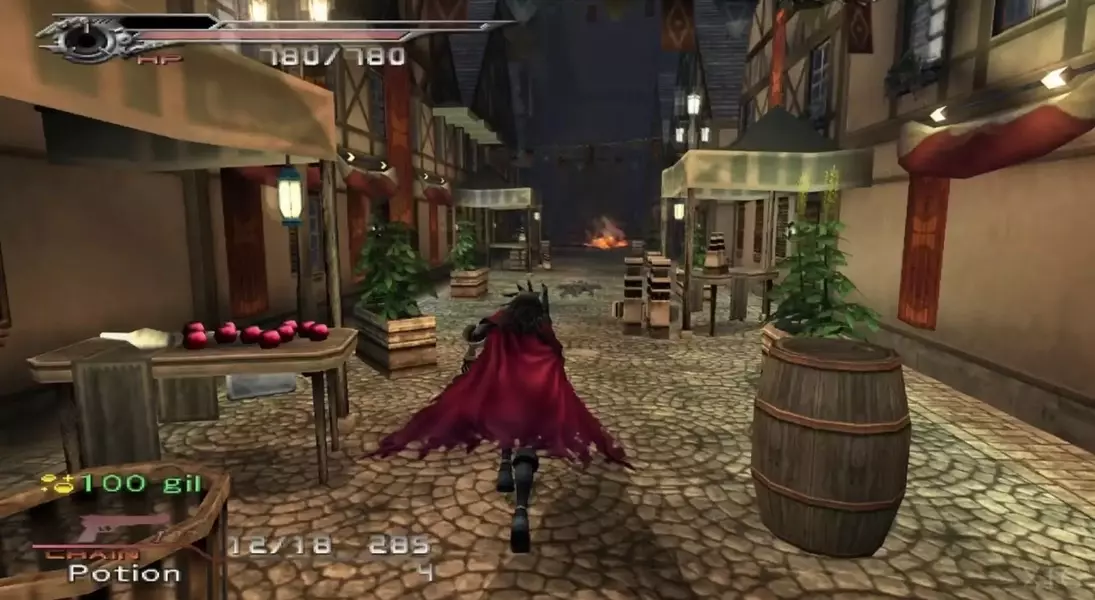
This piece takes a nostalgic yet critical look at "Dirge of Cerberus: Final Fantasy VII," a game that, despite its initial lukewarm reception, stands out as a unique and daring experiment within the beloved Final Fantasy 7 saga. It delves into how this title, centered around the enigmatic Vincent Valentine, departed from conventional RPG mechanics to embrace a third-person shooter format. The article explores the game's innovative customization features, its ambitious storytelling, and its distinctive aesthetic, arguing that its perceived flaws were often a byproduct of its bold creative vision.
Embrace the Unconventional: Why "Dirge of Cerberus" Deserves a Second Look
The Experimental Era of Final Fantasy VII Expansions and the Genesis of a Bold Departure
The mid-2000s marked a period of extensive experimentation for the Final Fantasy 7 universe. Long before cinematic universes became a dominant trend, Square Enix sought to broaden the narrative of one of gaming's most cherished realms. This expansion included various projects: the CGI film "Advent Children" continued the main story; "Before Crisis" transformed the Turks into protagonists for a Japan-exclusive mobile game; "Last Order" presented an animated retelling of the Nibelheim Incident; and "Crisis Core" reimagined the series as an action RPG focusing on Zack Fair. These diverse attempts to build upon the original's legacy resulted in a collection of varied ideas, not all of which achieved universal acclaim. Among these, "Dirge of Cerberus," starring Vincent Valentine, garnered the most significant criticism.
Unpacking the Genre Shift: "Dirge of Cerberus" as a Pioneering Third-Person Shooter in an Unexpected Setting
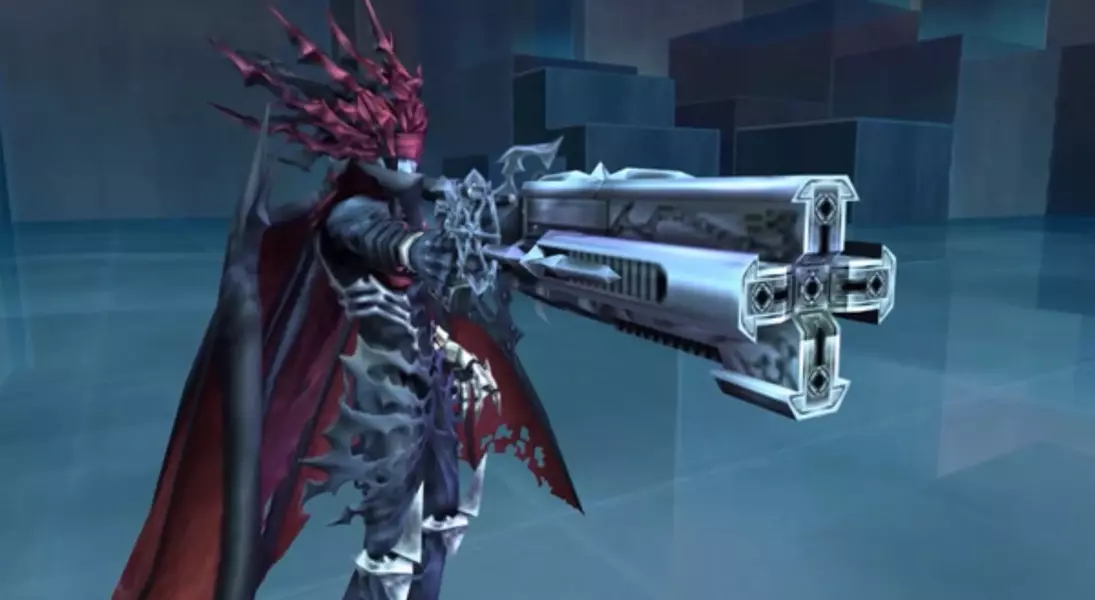
The concept of a third-person shooter set in the Final Fantasy 7 world seemed improbable even in 2006. At the time, it appeared Square Enix was adapting to prevailing trends. However, this very divergence makes "Dirge of Cerberus" a fascinating study two decades later. It represents a rare instance that encapsulated the era's gaming zeitgeist: intense, over-the-shoulder third-person action led by a mysterious, dark protagonist wielding firearms. Influenced by blockbusters like "Max Payne" and "Resident Evil 4," director Takayoshi Nakazato and producer Yoshinori Kitase opted to build an entirely different genre around Vincent, whose primary combat style always involved guns, rather than developing another traditional RPG. This decision was a significant risk, one that Square Enix seldom takes today.
Beneath the Surface: Innovative Customization, Deep Narrative, and Unconventional Level Design
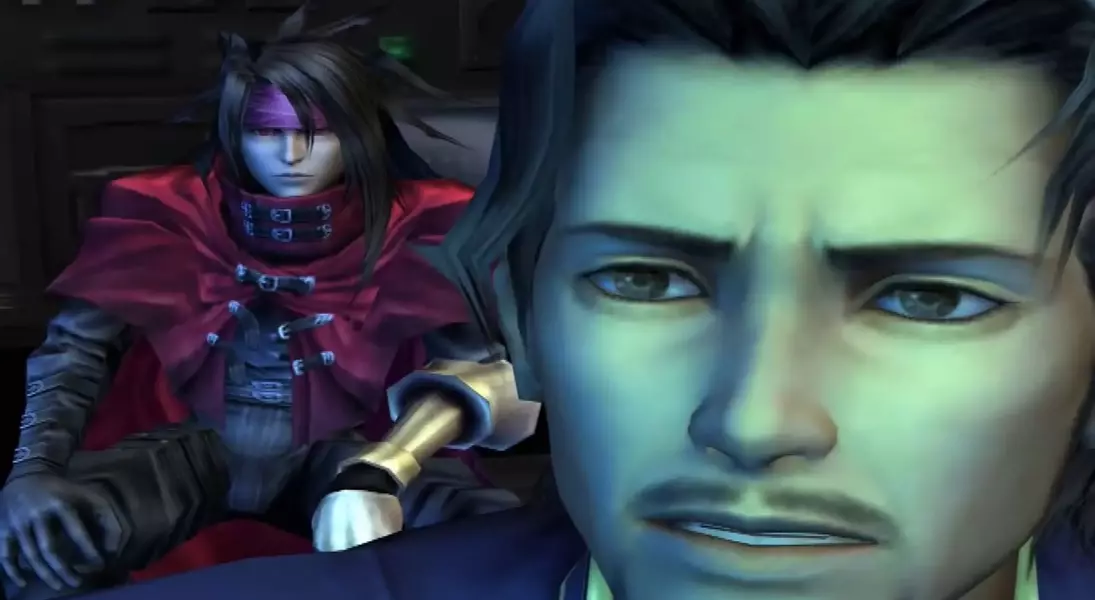
While the shooting mechanics in "Dirge of Cerberus" might feel outdated by modern standards, its enemy AI isn't groundbreaking, and some levels extend longer than necessary, the game harbors ambitious ideas often overlooked due to its middling reputation. Instead of merely providing Vincent with increasingly powerful weapons, the game offers extensive customization options for the arsenal. Players can interchange frames, barrels, scopes, Materia, and accessories across three gun slots, enhancing weapon performance in various ways. This encourages strategic experimentation over simple stat upgrades, adding a satisfying layer of personalization to combat. Furthermore, the narrative of "Dirge of Cerberus" adopts a "what happens after the heroes save the world" approach. It explores Shinra's darkest experiments, introduces Deepground as a clandestine military faction, and provides Vincent with a complete character arc. His struggle with guilt over Lucrecia's fate, his connection to Hojo's experiments, and his quest to define himself beyond past failures provide an unexpectedly compelling emotional core amidst the gothic drama.
A Spectrum of Experiences: The Game's Unique Pacing and Unapologetic Identity
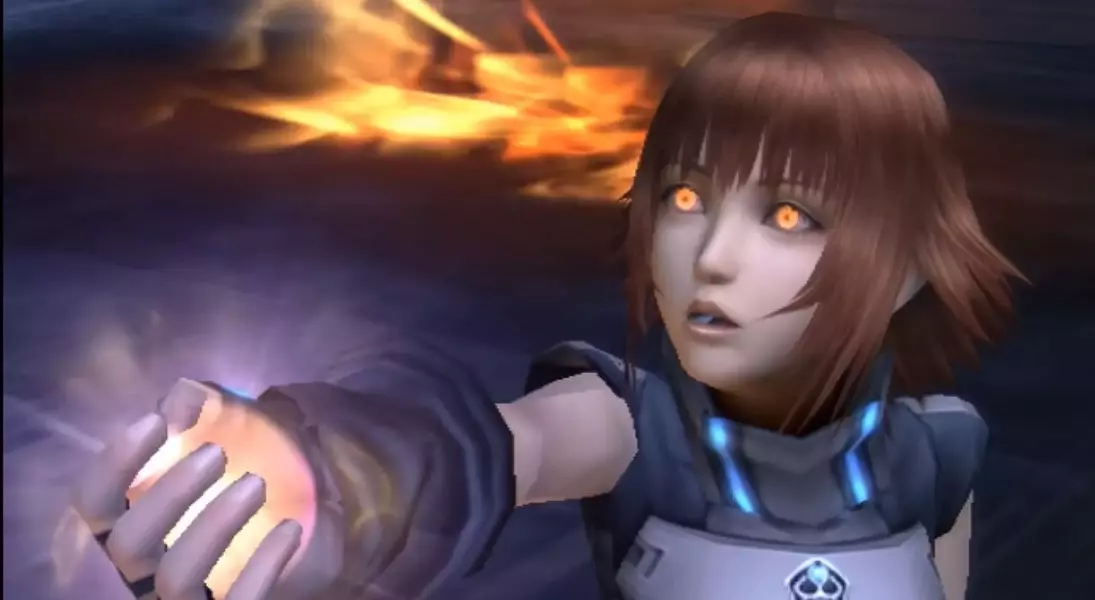
The game's willingness to challenge expectations extends to its design. One chapter might feature straightforward shooting galleries, while the next transforms into a terrifying exploration of abandoned Shinra facilities. Boss battles escalate into cinematic spectacles, foreshadowing the over-the-top action sequences seen in later Square Enix titles like "Final Fantasy 16." "Dirge" resists settling into a single genre, and while this inconsistency can make it feel disjointed, it also imbues what is essentially an arcade shooter with remarkable unpredictability. The antagonists—Rosso the Crimson, Nero the Sable, and Weiss the Immaculate—epitomize the anime excess characteristic of mid-2000s Square Enix. Hojo, too, finds yet another way to cause chaos. The game's commitment to its over-the-top nature is unapologetic, offering a refreshing contrast to many contemporary big-budget titles that often feel overly refined for broad appeal.
Climax and Legacy: The Enduring Impact of Vincent Valentine's Saga
This confidence culminates in one of the most remarkable finales in the entire Final Fantasy 7 universe. The confrontations with Omega Weiss and Rosso are spectacles of giant transformations, explosive sequences, and an escalating sense of madness that feels entirely justified. It's chaotic and extravagant, but precisely the kind of ending a Vincent Valentine-centric game deserves. In retrospect, it's easy to see why "Dirge of Cerberus" became a subject of jest. It was released during a period of rapid evolution for third-person shooters and struggled to compete mechanically with genre leaders. Review scores, including a 57 on Metacritic—the lowest within the Compilation—reflected this reality, and the game's reputation never truly recovered.
A Timeless Reappraisal: "Dirge of Cerberus" in the Modern Final Fantasy Landscape
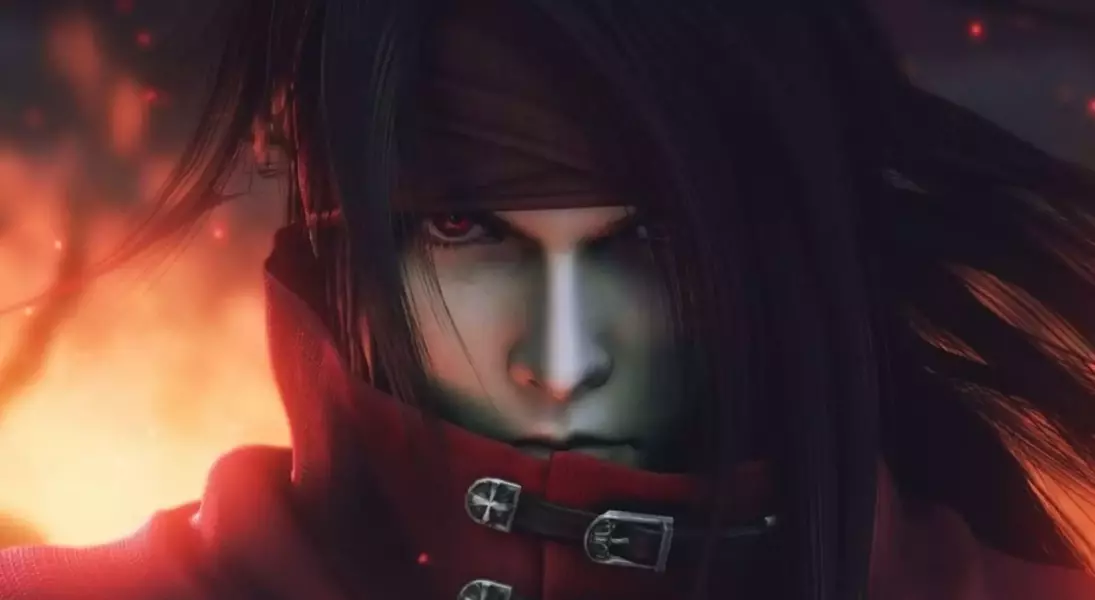
However, time often shifts perspectives. What once appeared as Square Enix clumsily following trends now seems like a studio genuinely willing to innovate with one of its most valuable properties. Instead of creating another conventional RPG starring Valentine, they developed a shooter featuring RPG progression, extensive weapon customization, horror elements, and a protagonist who had waited almost a decade for his moment. This legacy distinguishes "Dirge of Cerberus" from other spin-offs, and despite its initial reception, Square Enix has clearly not forgotten it. Recent installments like "Final Fantasy 7 Remake Intergrade" and "Rebirth" have steadily incorporated more elements from the Compilation into the "main" storyline. Deepground has reappeared, and Weiss has returned. With "Final Fantasy 7 Revelation" scheduled for release in spring 2027, and recent data mining efforts hinting at a potential "Dirge"-focused DLC, Vincent's solo adventure might finally receive renewed attention.
An Invitation to Reconsider: The Audacious Spirit of a Unique Final Fantasy Chapter
If these developments come to pass, it is hoped that more players will give "Dirge of Cerberus" the second chance it merits. Not because it is a hidden masterpiece, but because it represents one of Square Enix's most audacious and peculiar ventures with the franchise. Having dedicated countless hours to the Final Fantasy 7 universe, replaying the original multiple times and cherishing "Crisis Core," there remains an undeniable allure to that peculiar shooter—a game that existed simply because Vincent Valentine looked compelling with a gun. Twenty years on, "Dirge of Cerberus" continues to remind us that some of Square Enix's most memorable Final Fantasy 7 narratives emerged from its most significant creative risks.
