

Obsidian Entertainment, a name synonymous with some of the most profound role-playing games in history, has consistently defied expectations. Despite a turbulent past marked by financial precarity, stringent development timelines, and the capricious demands of various publishers, the studio has forged a legacy of creating exceptional RPG experiences. This enduring resilience and uncanny ability to thrive under pressure spark a hopeful outlook for future projects, particularly the much-anticipated follow-up to 'Fallout: New Vegas'. The company's journey underscores a unique knack for transforming adversity into acclaimed works of art, proving that even in the most challenging environments, true talent finds a way to shine.
Obsidian's Enduring Saga: From Early Triumphs to Modern Challenges
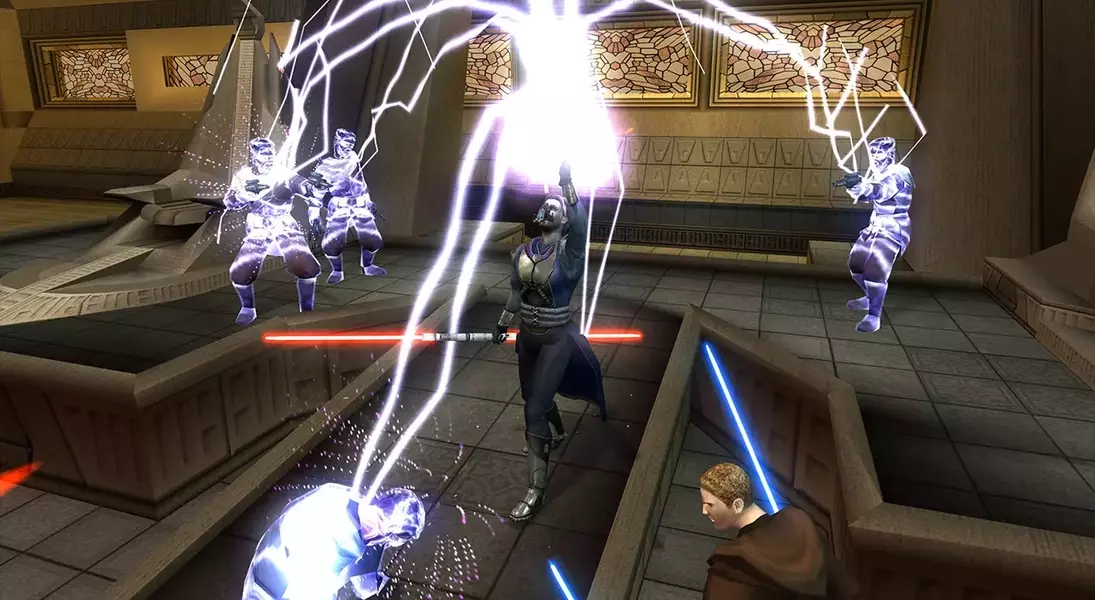
Since its inception in 2004, Obsidian Entertainment has been a beacon of innovation in the RPG landscape. Their impressive portfolio boasts titles such as 'Knights of the Old Republic 2', 'Neverwinter Nights 2', and the iconic 'Fallout: New Vegas', each leaving an indelible mark on the genre. Despite these critical successes, the path has rarely been smooth. Early in its history, the team behind 'Knights of the Old Republic 2' faced an incredibly tight 15-month deadline imposed by LucasArts. This hurried schedule led to a somewhat unpolished launch, yet the game's bold narrative, which dared to deconstruct fundamental Star Wars lore, earned it a dedicated following. It was a philosophical counterpoint to its predecessor, lauded for its intricate writing and profound themes.
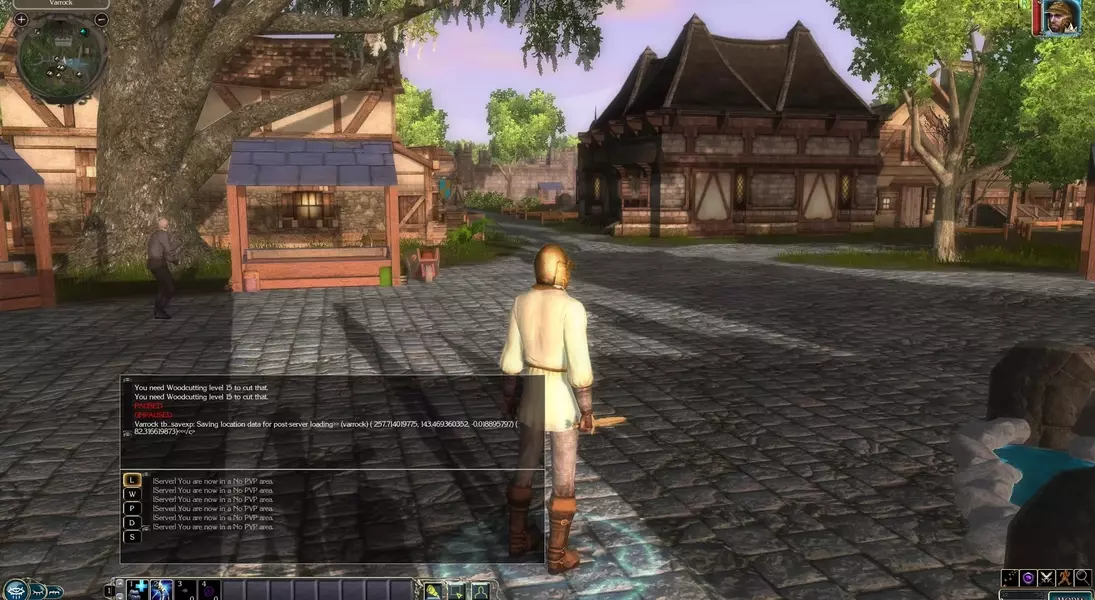
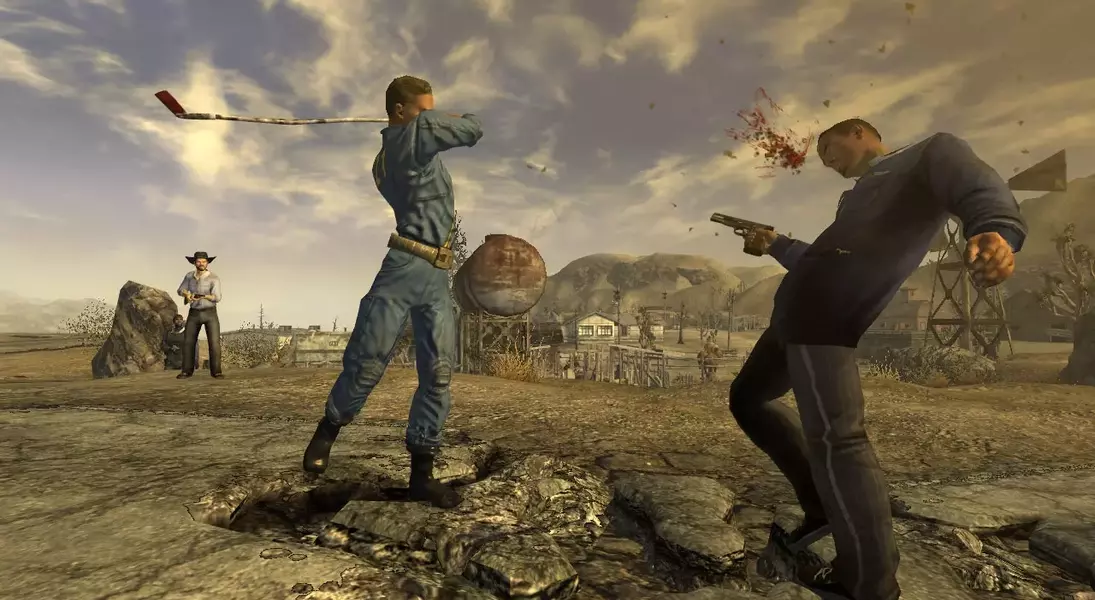
The challenges persisted. 'Neverwinter Nights 2', developed under Atari, saw its deadline extended, offering some respite. However, other projects, like one with Disney and later with Sega for 'Alpha Protocol', were either canceled or plagued with difficulties. Yet, 'Alpha Protocol' managed to cultivate a cult following, revered by many in the gaming press for its unique design, despite its poor commercial performance. The studio's most celebrated work, 'Fallout: New Vegas', also endured a grueling 18-month development cycle on Bethesda's unfamiliar Gamebryo engine. This resulted in a launch riddled with technical issues and truncated content. Nevertheless, 'New Vegas' ascended to become one of the most beloved entries in the Fallout series, often hailed as the franchise's pinnacle, though its Metacritic score narrowly missed a critical bonus for the developers.
In response to recurring financial crises, Obsidian bravely ventured into crowdfunding, launching 'Pillars of Eternity' on Kickstarter. This endeavor, a nostalgic tribute to Infinity Engine RPGs, was a resounding success, pulling the studio back from the brink of bankruptcy. A subsequent partnership with Paradox Interactive yielded 'Tyranny', a game whose narrative potential was unfortunately cut short. 'Pillars of Eternity 2: Deadfire', another crowdfunded CRPG, despite being Obsidian's most refined classic RPG, underperformed commercially, prompting introspection within the studio about the genre's evolving appeal and audience expectations.
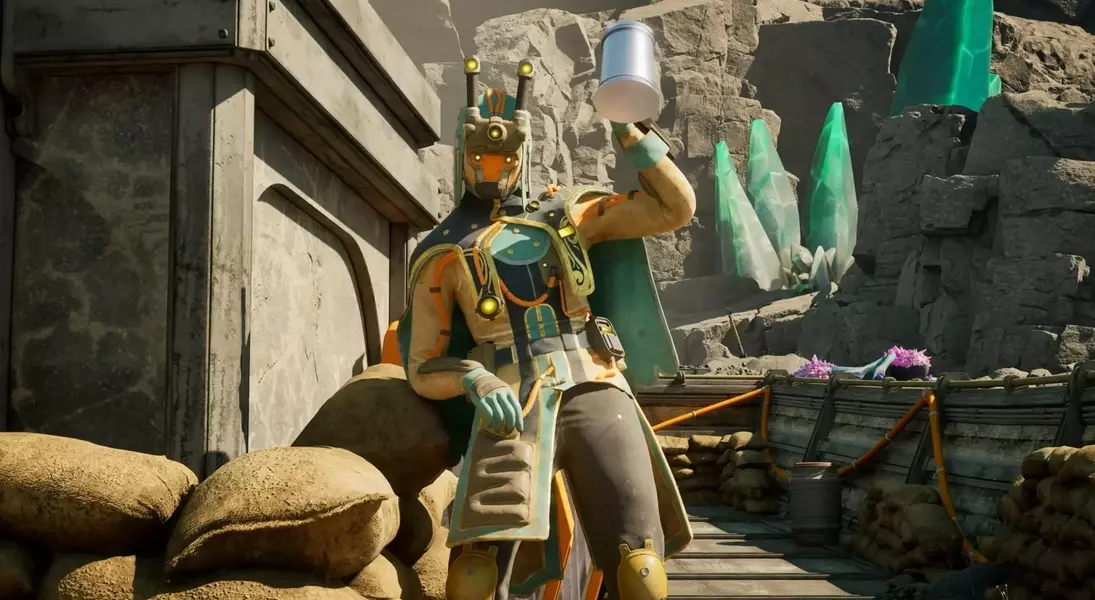
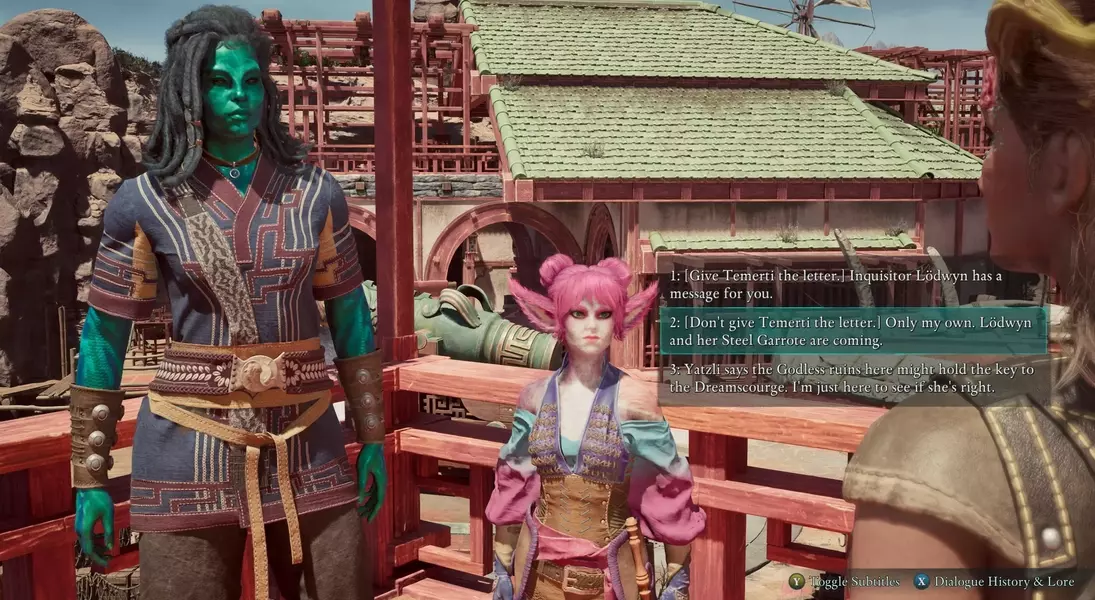
The acquisition by Xbox in late 2018 marked a new chapter. Titles like 'The Outer Worlds' emerged, showcasing Obsidian's signature RPG elements but, for some, lacking the ambitious storytelling and distinct charm of its predecessors. 'Avowed', initially conceived as a multiplayer 'Elder Scrolls'-like experience, shifted direction significantly, ultimately launching to a mixed reception. Interestingly, it's the games outside Obsidian's traditional RPG mold—the survival game 'Grounded' and the narrative adventure 'Pentiment'—that have been met with significant critical acclaim in the Microsoft era, praised for their inventive world-building and sharp writing, echoing the studio's classic magic.
This history reveals a pattern: Obsidian thrives when faced with constraints and unconventional circumstances. The current landscape, marked by Microsoft's recent industry restructuring and significant layoffs, presents yet another challenge. Despite the regrettable loss of talent, the studio’s deep institutional knowledge and a track record of turning difficult situations into celebrated games suggest a promising future for 'Fallout: New Vegas 2'.
Obsidian Entertainment's journey is a powerful testament to creative resilience. While external pressures and commercial realities have often shaped its trajectory, the studio has consistently found ways to deliver games that resonate deeply with players. The prospect of a new 'Fallout: New Vegas' from a team that understands the series' soul, even amidst current industry upheaval, offers a unique opportunity for Obsidian to once again channel its storied past into a brilliant future. It's a reminder that true innovation often arises from navigating the most arduous paths.
