The recent installment of the Fallout television series has ignited a lively discussion among enthusiasts regarding the integration of operational vehicles into upcoming game titles. Despite historical challenges and design philosophies that have traditionally excluded such features, the show’s narrative developments, particularly in its second season, hint at a possible future where player-controlled transportation could become a reality. This shift could profoundly impact exploration, strategic depth, and the overall player experience within the iconic post-apocalyptic universe.
Fallout Series Rekindles Debate on In-Game Vehicles
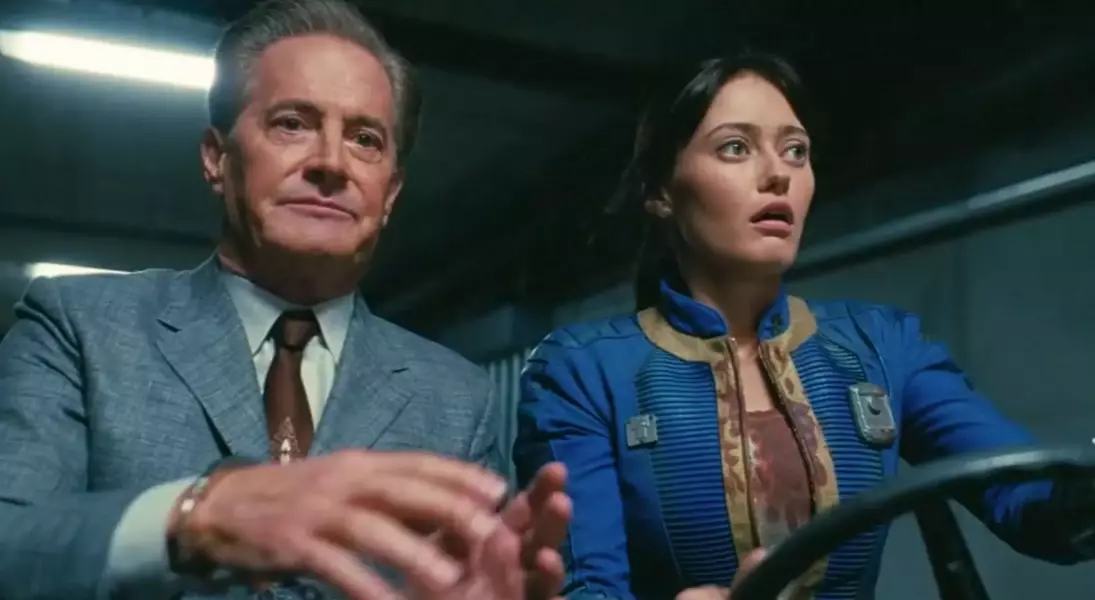
In a recent episode of Fallout Season 2, Hank MacClean, portrayed by Kyle MacLachlan, and his daughter Lucy, played by Ella Purnell, embarked on a journey to the Vault-Tec office in New Vegas. Instead of traversing the landscape on foot, Hank notably suggested they utilize a golf cart. This sequence, occurring in a significant narrative arc, not only highlighted the generational gap in their respective upbringings—Hank’s effortless command of the vehicle versus Lucy’s humorous struggle—but also served as a potent reminder for many viewers about a long-standing aspiration: the incorporation of drivable vehicles into the Fallout gaming franchise.
Historically, the Fallout games have largely confined vehicles to static background elements or explosive environmental hazards, with rare exceptions such as the Highwayman in Fallout 2 and military transport in Fallout Tactics. Developers like Bethesda and Obsidian have previously cited engine limitations and lore-based explanations, such as the scarcity of fuel and the extreme dangers of vehicle use in a raider-infested wasteland, as reasons for their exclusion. Furthermore, a prevalent argument amongst fans has been that drivable vehicles would undermine the series' core exploratory nature, detracting from the immersive experience of navigating the desolate, sprawling landscapes on foot.
However, the evolving timeline presented by the Fallout series, moving beyond the historical contexts of New Vegas and Fallout 4, introduces new possibilities. The potential reintroduction of advanced technologies like cold fusion and infinite energy, hinted at in the show, could logically pave the way for sustainable vehicle operation. Todd Howard, director and executive producer at Bethesda, has confirmed that Fallout 5 will integrate the events and lore established by the show, suggesting that drivable vehicles might not be as far-fetched as once thought. Imagining a gameplay loop where players must meticulously rebuild, fuel, and armor their vehicles, potentially even requiring specific intelligence attributes, adds layers of strategic depth and personalization. This approach transforms vehicles from mere transportation devices into earned, integral components of the survival experience, enriching the role-playing aspects rather than diminishing them.
The current episodes of Fallout Season 2 are available on Prime Video, with the highly anticipated finale scheduled for release on Tuesday, February 3rd. As the narrative progresses, it continues to shape expectations and desires for the future direction of the beloved game series.
The conversation around including vehicles in Fallout games extends beyond simple mechanics; it touches upon the very essence of the franchise's identity. While some argue against it, fearing a dilution of the core exploration experience, the show’s creative liberties open a compelling dialogue. If implemented thoughtfully—perhaps with challenges like maintenance, fuel scarcity, and vulnerability to wasteland dangers—drivable vehicles could introduce a dynamic layer of strategy and immersion. This could allow players to engage with the vast, dangerous world in new ways, deepening the role-playing experience and honoring the spirit of survival that defines Fallout, while simultaneously evolving to meet modern gaming expectations.
