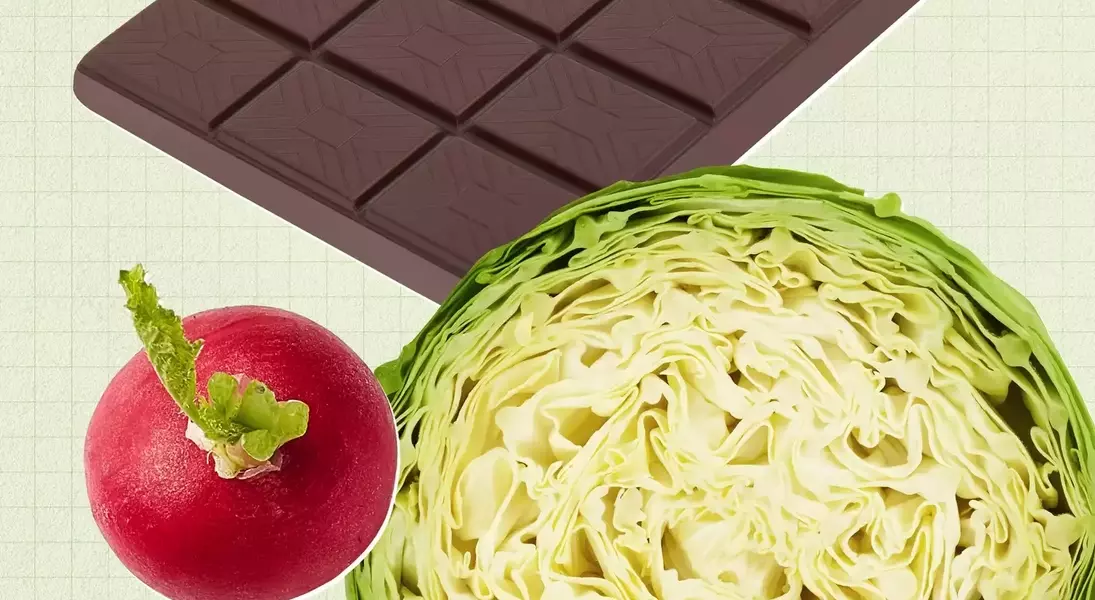
Conventional wisdom often labels certain foods as undesirable, but expert dietitians are now challenging these notions, revealing that some of these very foods can be powerhouses for gut health. This paradigm shift encourages a more nuanced understanding of nutrition, moving beyond simplistic classifications of 'good' and 'bad.' A thriving gut microbiome, a complex community of microorganisms residing in our digestive system, is fundamental not just for efficient digestion but also profoundly impacts our immune system, cognitive functions, and cardiovascular well-being. This report delves into six such foods—sauerkraut, beans, potatoes, white rice, cruciferous vegetables, and dark chocolate—exploring how their unique nutritional profiles contribute to a flourishing gut ecosystem. These foods provide essential nutrients like fiber, probiotics, prebiotics, and resistant starch, which are vital for fostering beneficial gut bacteria, regulating bowel movements, and mitigating gut inflammation. Beyond dietary changes, maintaining optimal gut health also involves holistic lifestyle practices, including consistent hydration, effective stress management, and sufficient restorative sleep.
Rethinking 'Unhealthy' Foods: Dietitians Advocate for Gut-Friendly Delights
In a recent revelation that challenges long-held dietary beliefs, leading dietitians are encouraging a reevaluation of foods often deemed 'unhealthy,' emphasizing their surprising benefits for gut health. This re-assessment highlights the critical role of the gut microbiome in overall well-being, extending its influence to immune responses, brain function, and heart health.
According to Lisa Andrews, M.Ed., RD, LD, and Raksha Shah, M.A., RDN, sauerkraut, despite its high sodium content, is a probiotic powerhouse. Raw, unpasteurized sauerkraut, rich in fiber and beneficial bacteria from fermentation, supports digestion and immunity. Andrews suggests incorporating it as a sandwich condiment or a topping for bean dishes.
Beans, frequently shunned due to concerns about gas, are championed by Shah for their prebiotic properties and high fiber content. Black beans, for instance, offer nearly 30% of the daily recommended fiber intake per half-cup. While initial consumption might cause gas, Andrews notes this as a positive sign of active gut bacteria. Shah advises a gradual introduction to allow the body to adjust.
Potatoes, often criticized for their high glycemic index, are being reconsidered, particularly when cooked and cooled. Shah explains that this process increases their resistant starch content, which improves insulin sensitivity, reduces inflammation, and diversifies the gut microbiome. Resistant starch ferments in the colon, producing beneficial short-chain fatty acids.
Similarly, white rice, a refined carbohydrate, also gains gut-friendly status when cooked and then cooled. Ana Pruteanu, M.S., RDN, LDN, CEDS-C, highlights that this method boosts its resistant starch, which has been shown to help regulate blood sugar levels, especially for individuals with type 1 diabetes.
Cruciferous vegetables, including broccoli, Brussels sprouts, and cabbage, often cause bloating but are vital for gut health. Alyssa Smolen, M.S., RDN, CDN, points out their rich fiber content, essential for feeding gut bacteria. These vegetables also contain sulfur compounds linked to a reduced risk of colorectal cancer. Smolen recommends consuming them in smaller portions if sensitive.
Lastly, dark chocolate, especially varieties with 85% cocoa, is being celebrated for its gut benefits. Shah explains that dark chocolate provides polyphenols, plant compounds that nourish beneficial gut bacteria and reduce inflammation. A study indicated that daily consumption of 85% cocoa chocolate for three weeks led to a more diverse gut microbiome, acting as a prebiotic.
Beyond diet, experts emphasize other crucial strategies for optimal gut health. Shah stresses the importance of staying hydrated, especially when increasing fiber intake, to aid digestion and maintain gut lining integrity. Macy Diulus, M.P.H., RD, LD, CDCES, underscores the necessity of stress management, given the strong link between stress and digestive issues like IBS. Finally, a full seven to nine hours of quality sleep is essential, as sleep deprivation negatively impacts the gut microbiome.
This renewed perspective on diet and lifestyle encourages individuals to embrace a broader range of foods and practices, recognizing their multifaceted contributions to a healthy digestive system and overall vitality.
The insights from these dietitians fundamentally alter how we perceive and approach our diet. It's a powerful reminder that every food, when consumed thoughtfully and in the right context, can offer unique health benefits. The emphasis on gut health underscores the interconnectedness of our body's systems—that what's good for our gut often contributes to our immune strength, mental clarity, and cardiovascular resilience. This holistic approach empowers individuals to make informed choices, moving away from restrictive diets toward a more inclusive and balanced way of eating and living. It teaches us that health is not merely the absence of disease, but a dynamic state of balance and vitality, nurtured by conscious choices in our plates and in our lives.
