Unlock the secrets to crafting cakes with an unparalleled tender crumb using the ingenious reverse-creaming method. This comprehensive guide delves into this transformative baking technique, explaining its mechanics, benefits, and even introduces a mixer-free variation, empowering home bakers to achieve professional-level results with ease.
Elevate Your Baking: Master the Art of Reverse-Creaming for Perfect Cakes
Understanding the Conventional Cake Mixing Process and Its Limitations
Traditionally, cake preparation involves a sequence of creaming butter and sugar, followed by egg incorporation, and finally, the addition of dry ingredients. While this method yields acceptable results, it doesn't always guarantee the utmost tenderness in the final product. Bakers often seek alternative approaches to refine texture and achieve a softer, more delicate crumb.
Introducing the Revolutionary Reverse-Creaming Technique
Reverse-creaming stands out as a superior mixing strategy. Unlike the conventional method, it begins by blending butter directly into the dry ingredients before any wet components are introduced. This initial step, championed by baking luminaries like Rose Levy Beranbaum, meticulously coats the flour particles with fat. This fatty barrier significantly curtails gluten formation, which is crucial for preventing a tough cake texture and instead fosters an exceptionally plush and tender crumb. Many recipes advocating this technique typically call for the use of a stand mixer, utilizing its paddle attachment to thoroughly integrate the butter.
Personal Experience and Endorsement of Reverse-Creaming
From personal experience, the reverse-creaming method consistently delivers cakes of bakery-grade quality. Despite its initial departure from familiar baking routines, the exquisite results—a melt-in-your-mouth tenderness—make it a preferred and often indispensable technique for those aiming for perfection in their bakes. The difference in texture is so pronounced that once experienced, reverting to traditional methods becomes a less appealing option.
An Innovative Mixer-Free Approach to Reverse-Creaming
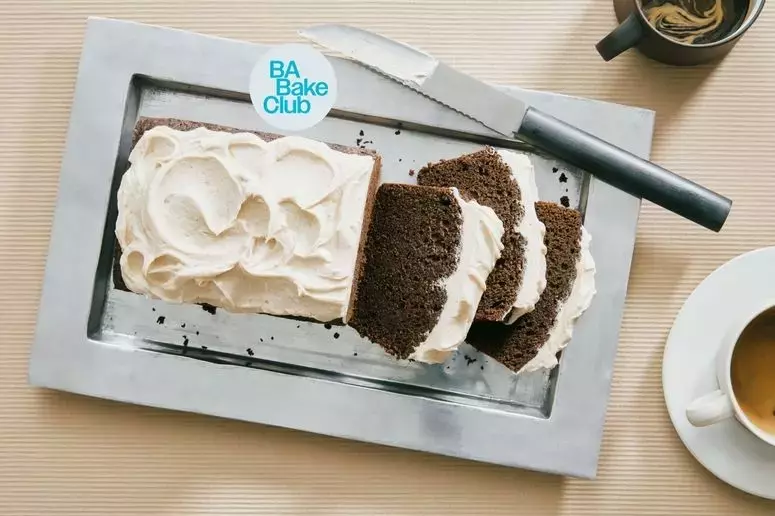
Our latest culinary creation, the Chocolate Guinness Cake, exemplifies an ingenious adaptation of reverse-creaming that requires no specialized equipment. Instead of relying on a stand or hand mixer, this technique involves manually rubbing cold butter cubes into the dry ingredients with your fingertips. Imagine the process of making pie dough, but continuing to work the butter until it virtually disappears, completely enveloping the flour in fat. This hands-on method achieves the same delicate crumb as its mechanized counterpart, with the added benefit of simplifying cleanup.
The Advantage of Overmixing in the Reverse-Creaming Context
A significant advantage of this modified reverse-creaming technique is its resilience against overmixing. While many cake recipes caution against excessive mixing to avoid toughening the batter, this method encourages the opposite. Because gluten development is inherently limited by the fat coating, you can mix the wet ingredients with greater freedom and vigor once added. Ultimately, a certain degree of gluten structure is necessary for a cake to hold its form, and this technique allows for thorough blending without compromising tenderness. We encourage bakers to try this method and share their delightful outcomes.
