Over recent decades, the trajectory of the role-playing game genre clearly illustrates the cyclical nature of creative trends. Initially, in the 1980s and 90s, seminal titles such as Ultima and Baldur's Gate successfully translated the intricate mechanics and player freedom characteristic of tabletop games like D&D into engaging digital experiences for personal computers.
However, as video game RPGs achieved broader commercial success and tabletop gaming remained a niche, the genre underwent a significant transformation. The intricate isometric CRPGs developed by studios like BioWare gradually fell out of favor, replaced by a focus on real-time, action-oriented combat and grand, cinematic narratives. This shift primarily catered to console audiences, leading even prominent PC game developers to adapt their designs accordingly. For a period, this evolution was largely accepted by players.
Yet, a notable comeback of tabletop gaming has been observed for some time, fueled by the rising popularity of live-play sessions and increasingly accessible game development tools. This resurgence has injected a massive wave of innovation into the genre, inspiring both large and independent studios to craft RPGs that draw heavily from tabletop traditions. Many of the most acclaimed modern RPGs now bear a clear influence from their analog predecessors.
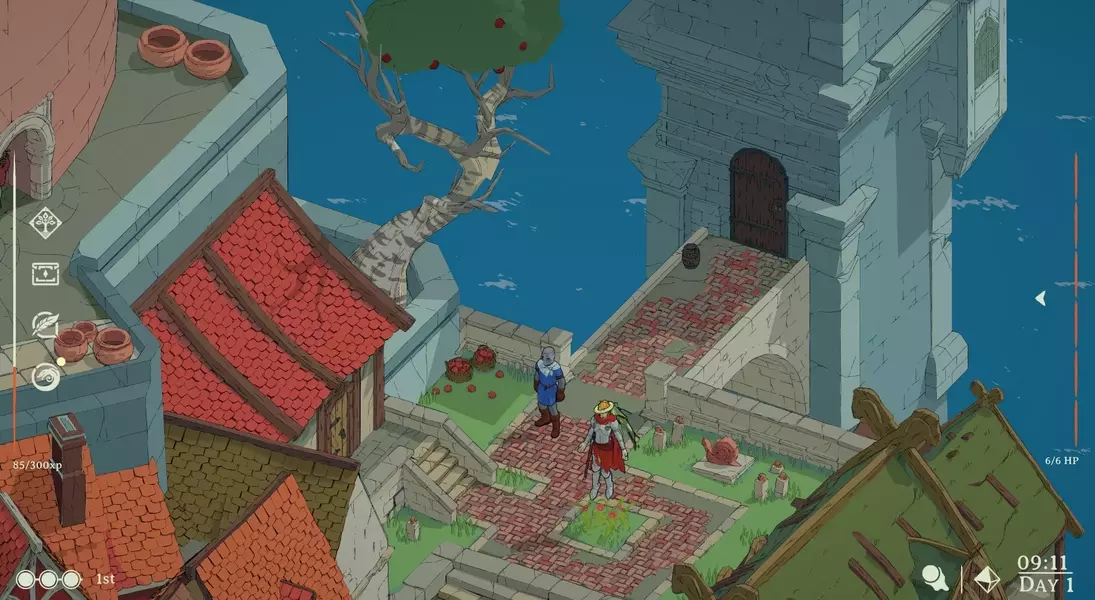
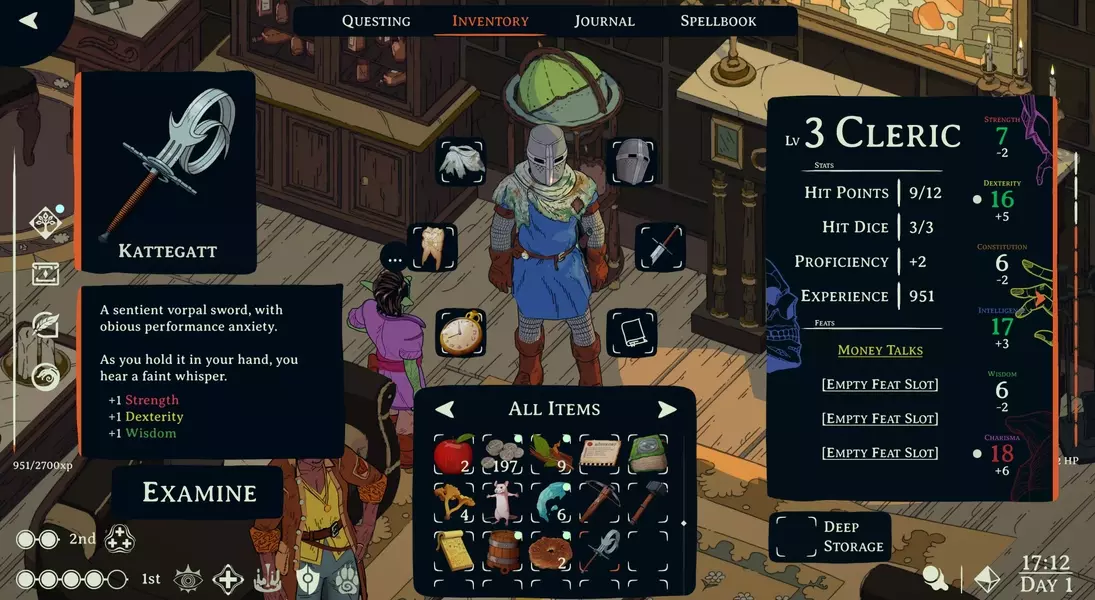
Consider games like Esoteric Ebb, a D&D-inspired take on Disco Elysium. Disco Elysium itself functions much like a tabletop game, emphasizing skill checks for even the most mundane actions and offering an unprecedented level of player choice. These titles exemplify a pure form of RPG, providing a vast array of possibilities and remarkable reactivity to player decisions. Instead of a limited set of pre-defined aggressive, stealthy, or charming options, players can truly embody their characters, with countless, often unexpected, solutions emerging from their actions. This philosophy even permits unconventional choices, such as a character choosing to ignore critical quests to indulge in eating a mountain of apples until becoming unwell, a testament to the unparalleled freedom offered.
Tabletop campaigns fundamentally offer a structured framework within which players collaboratively construct their own stories with a Game Master. For an extended period, this level of collaborative storytelling was conspicuously absent in video game RPGs, which often presented grand narratives with limited branches, giving players a sense of agency that was ultimately restricted. The renewed engagement with tabletop principles has not only dramatically improved the depth of RPG narratives but also invigorated combat systems. It's worth acknowledging that for many, including this author, combat in past RPGs, such as the Dragon Age series (with the exception of Origins) or Mass Effect, often felt like a chore, leading to a desire for a 'skip combat' button. It became an unstated truth that RPG combat, despite its prevalence, was generally unremarkable.
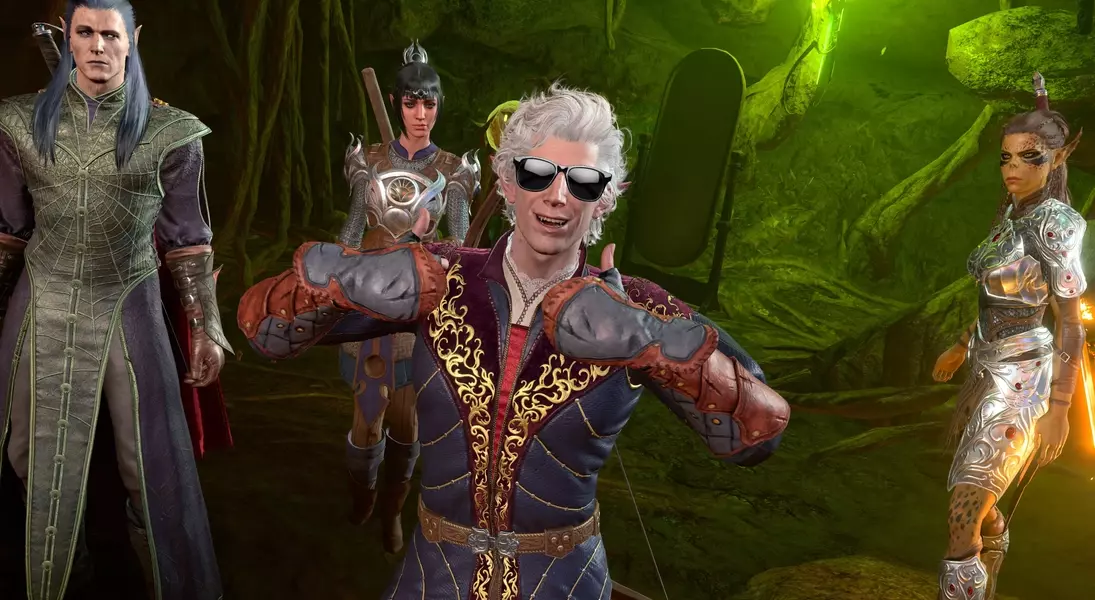
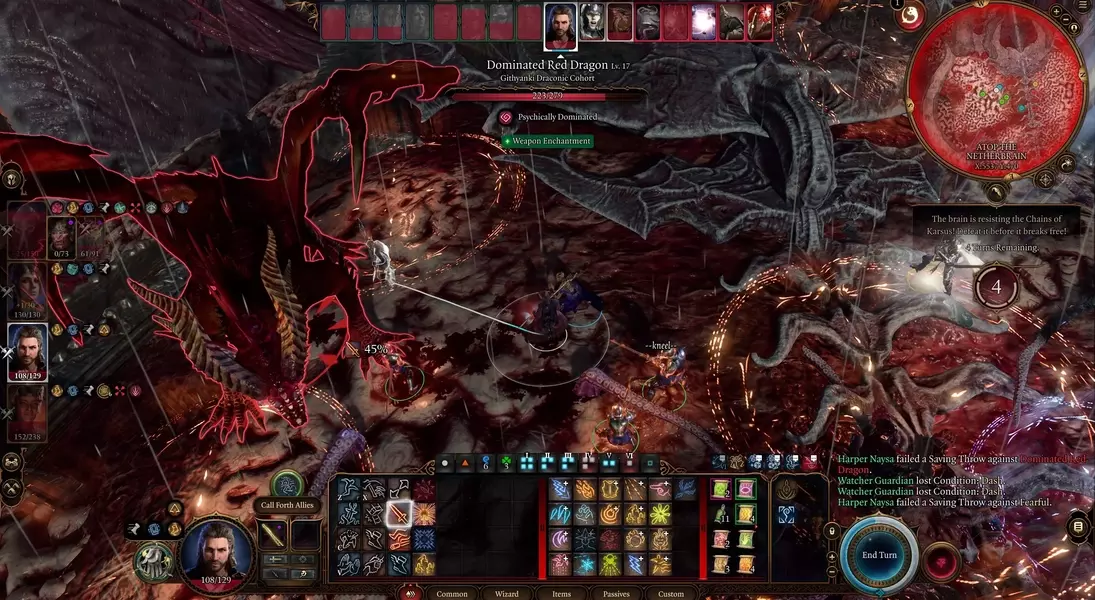
However, the current landscape sees a revitalization of combat, at least in certain titles. While Disco Elysium entirely eschews combat, focusing instead on investigative role-playing, Larian Studios has redefined in-game battles with their innovative and dynamic encounters in Original Sin and Baldur's Gate 3. These games present some of the most engaging combat scenarios ever implemented, prioritizing player creativity. They provide players with a comprehensive toolkit of spells, abilities, and skills, encouraging them to experiment freely. For example, a recent playthrough of Baldur's Gate 3 involved overcoming challenges by simply throwing anything and everything at enemies, even companions, showcasing the immense flexibility and emergent gameplay the system allows.
Conversely, Esoteric Ebb demonstrates that compelling combat doesn't require elaborate, turn-based systems. Its battles are concise, text-driven sequences that unfold more like interactive conversations. This approach has delivered some of the most enjoyable skirmishes in recent memory. A memorable encounter involved a zombie; after attempting a robbery and getting bitten, the character, built for diplomacy rather than aggression, used charisma to impersonate the zombie's necromancer master, ordering it to self-inflict damage until re-defeated. Such instances highlight the genre's capacity for creative problem-solving beyond traditional hack-and-slash mechanics.
It's remarkable to reflect on the era when players had to endure the often uninspired combat of action-RPGs. These typically involved repetitive actions of attacking, healing, and skill activation until the encounter concluded. While such combat can be acceptable in games where it's the primary focus, like Diablo or Path of Exile, and where character building is paramount, it proves deeply dissatisfying in story-rich RPGs that claim to prioritize player agency. Although large-budget RPGs with limited player choice and flashy action sequences will continue to exist, even some of these are beginning to incorporate elements from tabletop games. Cyberpunk 2077, for example, originated from a tabletop RPG and, while not matching the breadth of role-playing opportunities found in Baldur's Gate 3, it offers sufficient depth to feel distinct from a mere action game with dialogue choices.
For independent studios, especially, this approach signals a promising future: CRPGs built upon the foundational philosophies of tabletop gaming. Titles like Esoteric Ebb, Disco Elysium, and Citizen Sleeper epitomize this movement. These games are distinguished by exceptional writing, the strategic use of dice rolls, and profound reactivity to player actions. Crucially, they do not rely on selling millions of copies to achieve financial viability, enabling a greater focus on creative expression and player-centric design.
