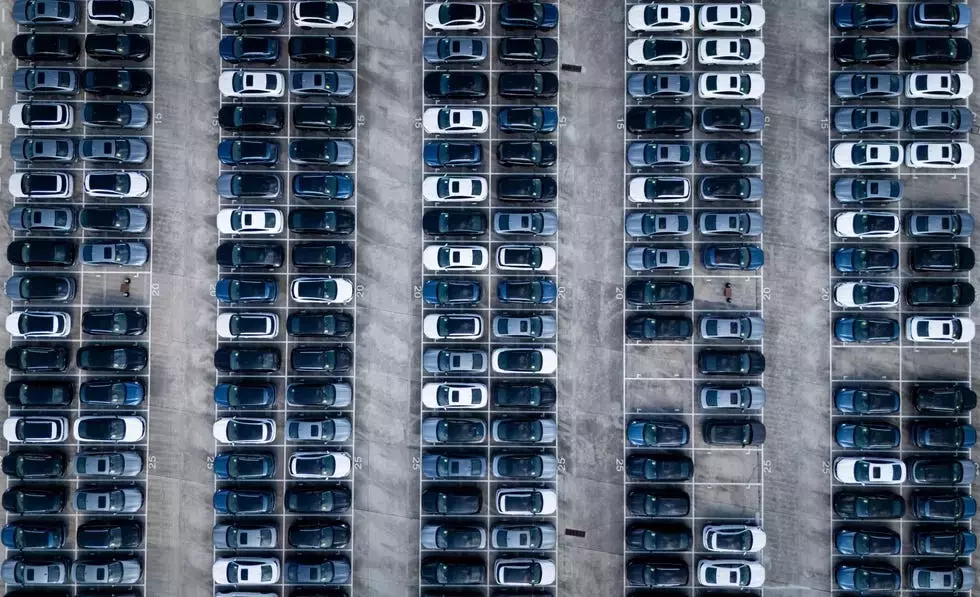
The automotive industry is witnessing a significant shift in color preferences, moving away from the long-standing dominance of neutral grayscale tones. While white, black, and silver have historically accounted for nearly 80% of new car sales in America, a more adventurous palette is now emerging. This evolution is attributed to a combination of factors, including changing consumer sentiments, the increasing influence of electric vehicles (EVs), and advancements in artificial intelligence in design. Experts from the Pantone Color Institute and leading paint manufacturers note a clear trend towards more expressive and nature-inspired hues, signaling a departure from the cautious color choices that have characterized recent decades.
For a considerable period, the automotive landscape has been largely monochromatic. This inclination towards neutral colors stemmed from a perceived need for safety and practicality in a significant investment like a car. Consumers often opted for grayscale vehicles to maximize resale value, and dealerships stocked what they knew would sell readily. This played a significant role in creating a less colorful automotive world, a stark contrast to the vibrant choices seen just two decades prior. The shift began as a cyclical phenomenon, with past eras like the 1950s showcasing bright pastels fueled by consumer optimism, and the early 2000s seeing white rise to prominence, mirroring the clean aesthetic of tech gadgets like iPods and iMacs.
Looking ahead, the next five years promise an exciting transformation in car colors. Interestingly, traditional favorites like blues and reds are seeing a decline in popularity. Instead, a strong connection to the natural world is inspiring a new wave of automotive hues. Green, in particular, is experiencing a remarkable ascent globally, becoming the most dynamic chromatic mover. This rise is closely linked to the continued popularity of SUVs and crossovers, where themes of outdoor adventure and ecological consciousness resonate with buyers' self-image. Shades of green, from subtle minty tones to willowy light greens, are being embraced for their ability to signal individuality and a nature-linked aesthetic, often reflecting efficiency, minimalism, and advanced mobility. PPG's "Secret Safari" exemplifies this trend with its organic and mineral qualities.
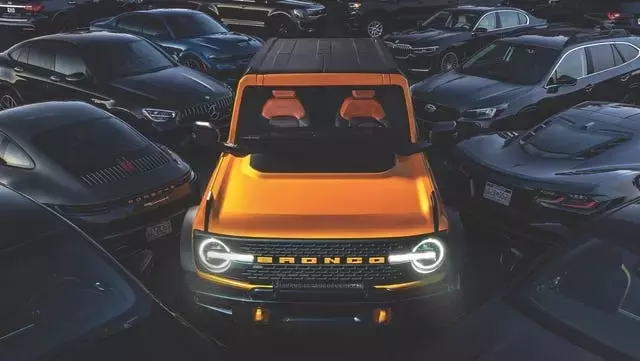
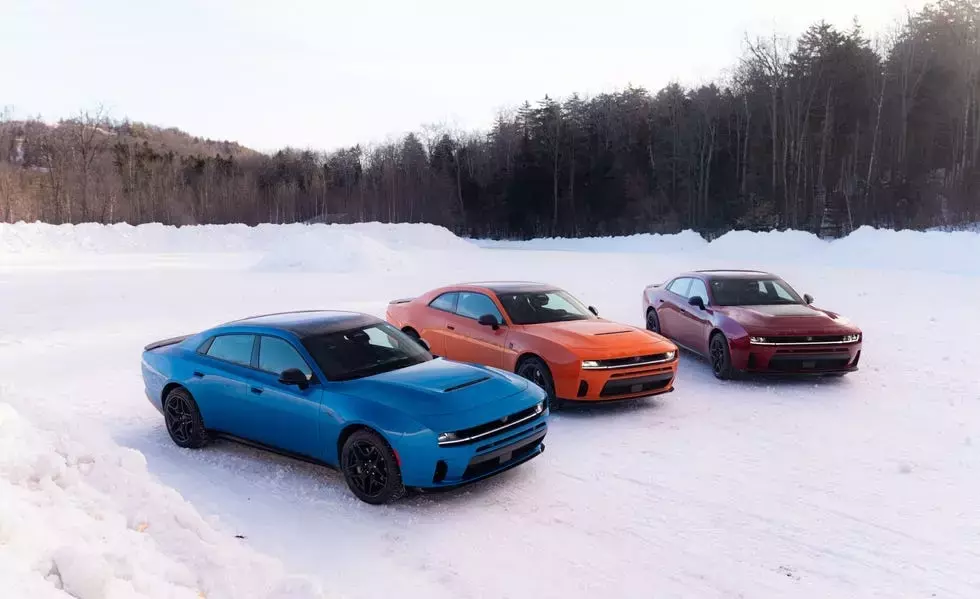
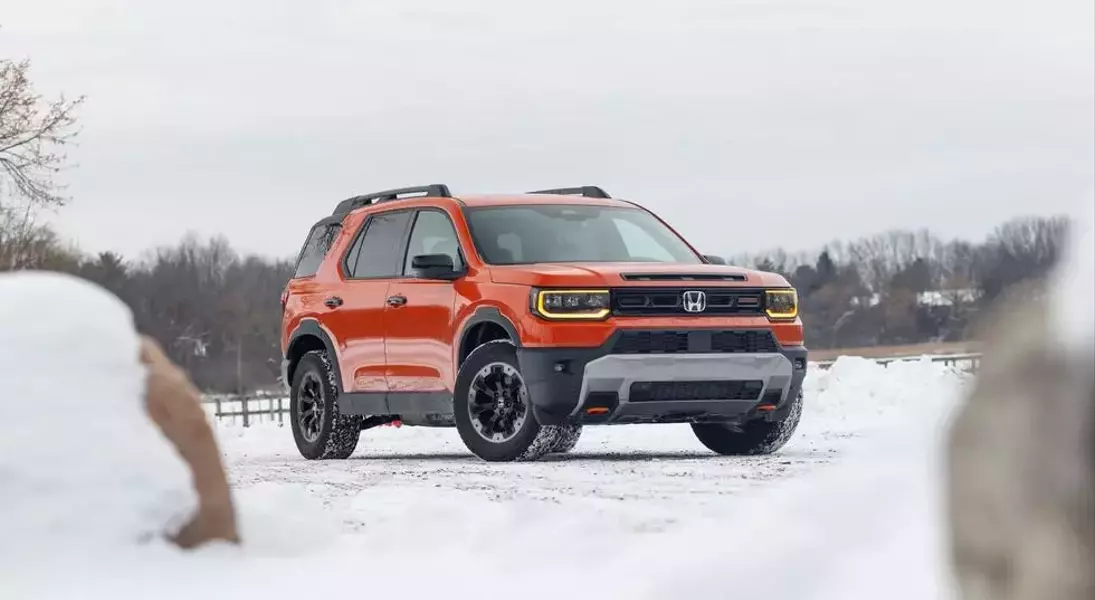
Beyond greens, deep violets are also capturing attention, hinting at both natural wonders and otherworldly fascination. As consumers remain intrigued by space and space travel, an "intergalactic" aesthetic is gaining traction. This includes purplish blues that transition to black or feature a star-like shimmer, aligning with technological fantasies of exploration and escapism. Automakers like Dodge have embraced this with colors such as Purple Haze and After Dark for their new Charger models. Furthermore, "atmospheric" oranges are experiencing a resurgence, partly influenced by the widespread appeal of golden hour photography and the rugged allure of technical outdoor apparel. Honda's exclusive Sunset Orange on its Passport TrailSport SUV is a prime example of this energetic and courageous color choice.
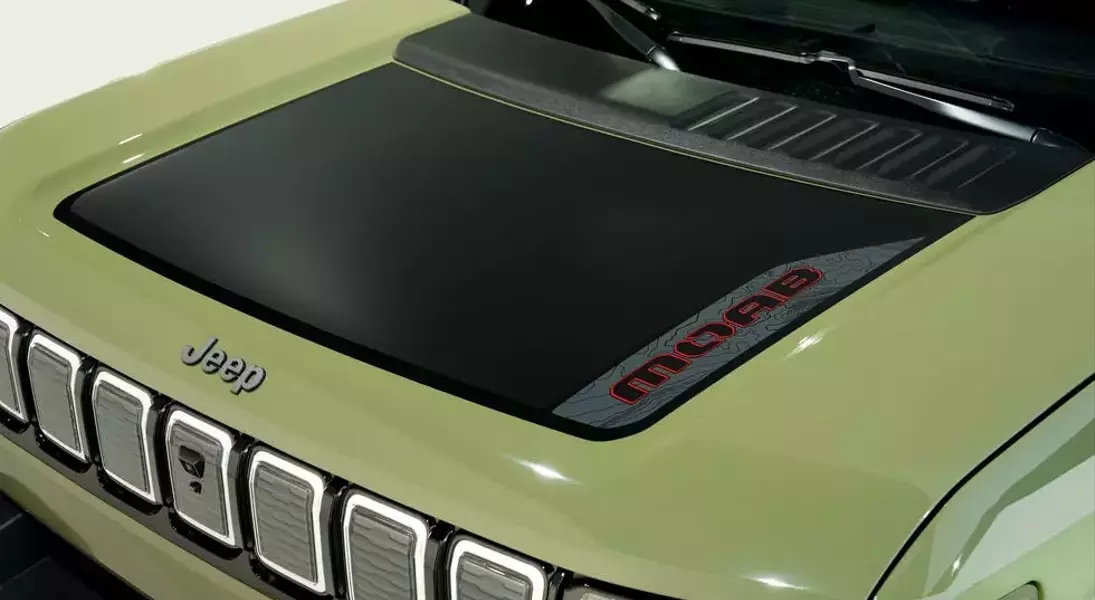
The advancements in electric vehicle technology are also playing a crucial role in shaping automotive aesthetics. EVs are increasingly at the forefront of color trends, with "smoked neutrals"—subtly tinted brownish or greenish grays—gaining traction. These hues, often infused with delicate chromatic undertones, evoke a sense of quiet luxury, as seen in the olive used for Jeep's upcoming Recon electric off-roader. Additionally, new finishes are revitalizing existing color families. Matte ethereal silvers are becoming popular for EVs, reflecting core electrification values like efficiency and minimalism. Examples include "Triple Nickel" on Dodge's Charger EV and "Silver Zynith" on Jeep's Wagoneer S EV. The increasing use of pearl-infused whites also signifies luminosity, depth, and innovation, exemplified by Honda's visionary 0-Series concept vehicles.
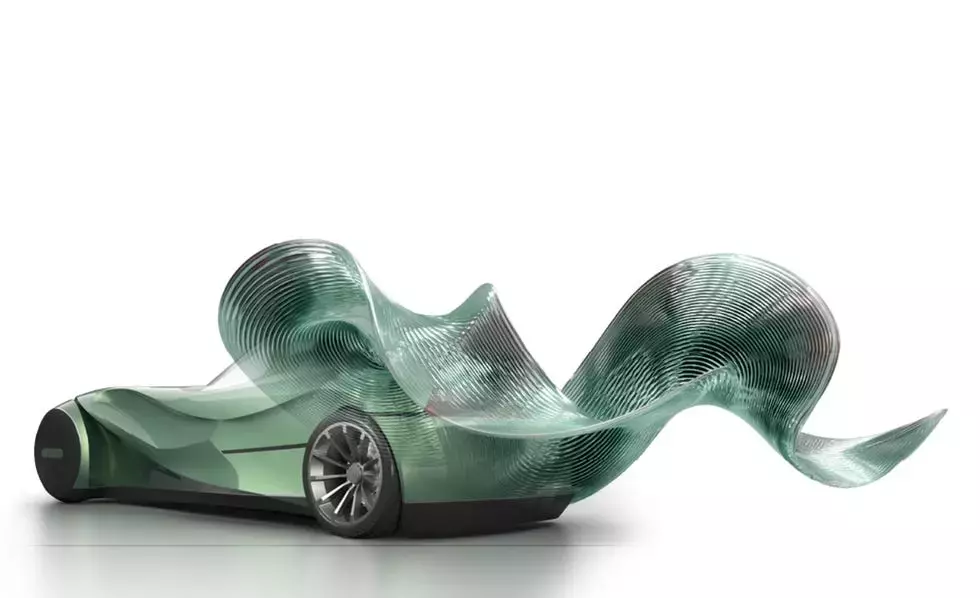
Technological innovations, particularly in artificial intelligence, are accelerating the development of new automotive colors. AI allows manufacturers to streamline and compress the timelines for color development, making the research and development process more efficient. This rapid advancement not only speeds up the creation of novel hues but also democratizes access to sophisticated finishes that were once exclusive, such as matte or pearlescent. With AI assistance, luxury styling can now be adapted to a wider range of price points, offering more diverse and innovative color options to a broader consumer base.
The automotive industry is undergoing a vibrant transformation, moving beyond a monochromatic past to embrace a future rich in color. This shift is not merely aesthetic but reflects deeper cultural trends, including a renewed appreciation for nature and the burgeoning influence of electric vehicle technology and artificial intelligence in design. The growing popularity of greens, purples, and oranges, along with innovative finishes, indicates a desire for individuality and expressive choices, redefining the visual landscape of our roads.
