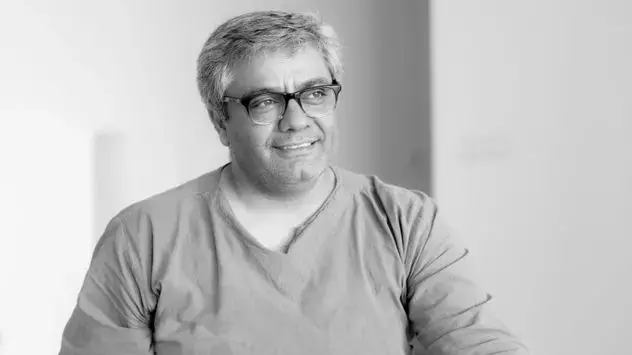
Iranian director Mohammad Rasoulof, who recently fled his homeland to avoid a lengthy prison term, is weighing the prospect of returning to Iran. His journey of self-reflection comes as he engages in new creative projects and garners international recognition for his impactful work. His discussions at the Locarno Film Festival, where he received a prestigious new award, underscored his ongoing dedication to artistic expression and his unwavering stance against the challenges faced by filmmakers in his country. Despite the personal risks, Rasoulof's commitment to telling stories deeply rooted in Iranian culture remains at the forefront of his creative vision.
The acclaimed filmmaker has actively continued his artistic pursuits even in exile. He recently debuted a play in Berlin, drawing on the real-life experiences of actresses from his film 'The Seed of the Sacred Fig' who also had to leave Iran. This production, exploring themes of migration and cultural identity, has been met with critical success and is currently on tour. Simultaneously, Rasoulof has developed three new film scripts, indicating a prolific period of creativity. While these narratives are set in various international locations, they are intrinsically linked to the social and political landscape of Iran, reflecting his profound connection to his origins.
A Filmmaker's Dilemma: Return to Iran or Continue Abroad?
Acclaimed Iranian director Mohammad Rasoulof, having recently escaped an eight-year prison sentence in Iran, is now openly contemplating a potential return to his home country. His deliberation stems from the rapidly evolving and often bewildering sociopolitical climate within Iran, which presents a complex personal and professional challenge. This decision is not merely about personal safety but is deeply tied to his commitment to his art and his ongoing struggle against the existing regime. His recent activities and public statements reflect a continuous engagement with these weighty questions, as he navigates the uncertainties of exile while still striving to make meaningful artistic contributions.
Rasoulof's dilemma highlights the profound personal and artistic cost of political persecution. Despite the inherent dangers of returning to a country where he faces imprisonment, he grapples with how best to challenge the authorities and advocate for change. He recognizes the fears associated with such a decision but prioritizes the effectiveness of his resistance. Whether his continued impact can be maximized by staying in Europe, where he has the freedom to create and exhibit his work, or by returning to Iran, potentially facing renewed oppression but also a more direct engagement with the issues, remains a central question for him. This internal conflict underscores the brave choices artists like Rasoulof must make when their work directly confronts authoritarian systems.
New Artistic Horizons and International Acclaim
Even in exile, Mohammad Rasoulof has embraced new artistic avenues and received significant international recognition for his unwavering commitment to cinema and human rights. His recent play, "Destination: Origin," which premiered in Berlin, marks his return to stage work after three decades. This production, featuring actresses from his recent film who also found refuge in Germany, delves into the intricate challenges of migration and the complex process of adapting to a new culture while preserving one's heritage. The play's success and ongoing tour signify a powerful extension of his artistic voice beyond the cinematic realm.
At the 78th Locarno Film Festival, Rasoulof was honored with the inaugural Locarno City of Peace Award, a testament to his dedication to peace, diplomacy, and dialogue through his cinematic endeavors. This prestigious award recognizes his profound and poetic exploration of themes such as freedom, individual responsibility, and human dignity, which resonate deeply with global audiences. The festival's artistic director lauded Rasoulof's work as a "hymn to human dignity," emphasizing the crucial role of his art in fostering understanding and promoting peace. This recognition, alongside his continued production of new film scripts that explore Iranian themes from a global perspective, reinforces his influential position in contemporary cinema and his enduring impact on the discourse surrounding human rights and artistic freedom.
