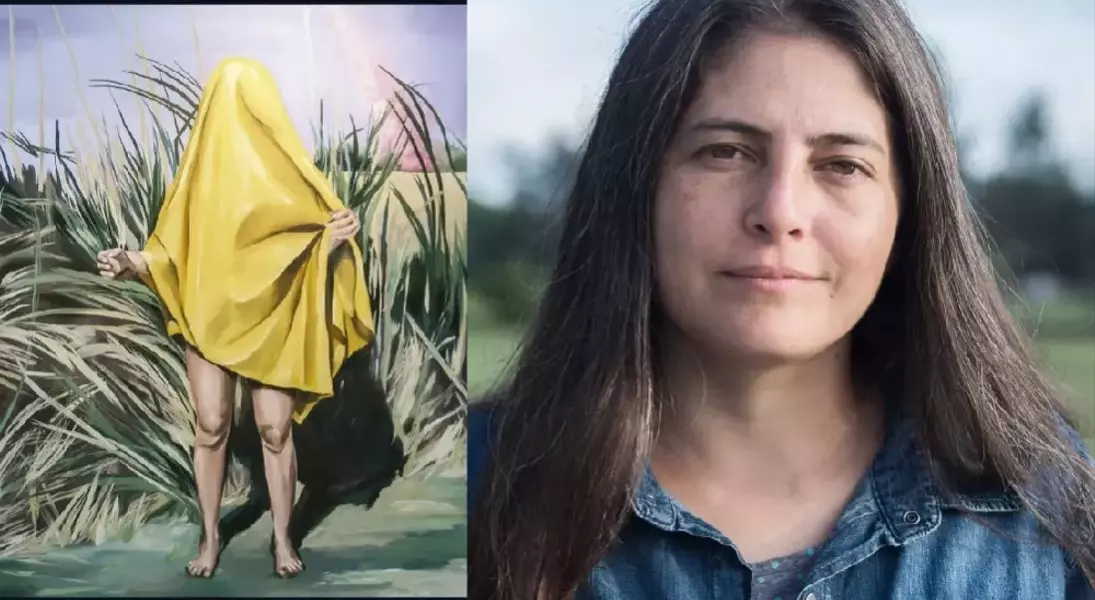
Selva Almada's acclaimed novel, 'Not a River,' which garnered significant attention as a finalist for the International Booker Prize, is embarking on its cinematic journey. This eagerly anticipated adaptation is a collaborative effort between Caponeto, a Mexico-based production company known for impactful projects, and Argentina's Ajimolido. The film, currently in its developmental stages, has already earned a prestigious spot at the upcoming San Sebastián Europe-Latin America Co-Production Forum, highlighting its potential and the industry's keen interest. This adaptation promises to translate the novel's profound exploration of masculinity and human relationships onto the big screen, inviting audiences into its unique narrative world.
The film project, helmed by Diego Martínez-Ulanosky who will both direct and co-produce, aims to capture the novel's essence as a "lyrical Western." The narrative centers on a poignant fishing weekend that brings a teenage boy together with his deceased father's two old friends on the very river island where his father met his end. This setting becomes a crucible where memories, unspoken desires, and a past that refuses to remain buried come to the forefront, intensified by the silent watch of locals and the enigmatic appearance of two young women. The adaptation seeks to delve deep into the novel's powerful themes, offering a compelling cinematic experience that resonates with its literary origins.
From Page to Screen: 'Not a River' Adaptation Details
The transition of Selva Almada's celebrated work, 'Not a River,' from literary pages to a cinematic narrative is now officially underway. This ambitious film project is a joint venture between Diego Martínez-Ulanosky's Caponeto, a Mexican production powerhouse responsible for works like Netflix's 'Unstoppable' and Disney's 'Soy tu Fan,' and the Argentine company Ajimolido. The novel's international recognition, including its shortlisting for the 2024 International Booker Prize, underscores its significant cultural and literary impact, setting a high bar for its on-screen interpretation. The collaboration between these two prominent production houses signifies a concerted effort to honor the original text while bringing a fresh, visually compelling perspective to its rich themes.
Currently in its development phase, the film has been strategically positioned at the San Sebastián Europe-Latin America Co-Production Forum, scheduled from September 22-24. This selection is a crucial step, offering a platform to forge essential creative and financial partnerships that will propel the project forward. Martínez-Ulanosky is not only set to direct but will also co-write the screenplay and co-produce the film alongside Livi Herrera from Caponeto and Alejandro Israel from Ajimolido. This multidisciplinary involvement from Martínez-Ulanosky, combined with the collective expertise of the production teams, promises a faithful yet innovative adaptation. The creative team aims to weave a narrative that mirrors the novel's evocative power, exploring the complexities of human emotion and relationships within a distinctive setting, ensuring that the film resonates deeply with both existing fans of the book and new audiences alike. The forum's role is pivotal in securing the resources and connections needed to realize this artistic vision.
Unveiling a Lyrical Western: Themes and Narrative Depth
The cinematic adaptation of 'Not a River' is poised to explore the profound narrative themes that distinguish Selva Almada's novel. Diego Martínez-Ulanosky describes the film as a "lyrical Western," a genre descriptor that hints at its atmospheric depth and the raw, untamed landscapes that will serve as its backdrop. At its core, the story examines brotherhood and the profound impact of past traumas, metaphorically described as the "ghosts we carry." This focus on internal struggles and male bonds sets the stage for a compelling character-driven drama. The film's synopsis teases a narrative where a young protagonist joins his father's friends on a poignant fishing trip to the very location of his father's death, an event that catalyzes a confrontation with their collective history and personal demons. This carefully constructed plot promises an emotionally charged exploration of memory, guilt, and the unspoken words that often define human relationships.
The novel's widespread critical acclaim, particularly for its innovative and powerful portrayal of masculinity and the intricate dynamics of male friendships, positions the film to delve into these nuanced themes. Martínez-Ulanosky highlights the novel's "silences and its raw take on wounded masculinity" as key inspirations for the adaptation. He envisions a film spanning from the 1960s to the 1990s, where the natural world intertwines with human memory and guilt, creating a rich tapestry of interwoven timelines and emotional landscapes. The director's intent is to craft a narrative that, at its heart, is a meditation on identity and grief, shedding light on the barriers men often erect in expressing their deeper emotions. This project marks a significant return for Caponeto and Ajimolido, who have previously collaborated on successful adaptations of major Latin American novels, demonstrating their proven track record in bringing complex literary works to cinematic life. Their shared history of tackling challenging narratives, such as 'My Tender Matador' and 'The Virgin of the Quarry Lake,' suggests a nuanced and respectful approach to Almada's powerful text, ensuring its thematic richness is preserved and amplified on screen.
