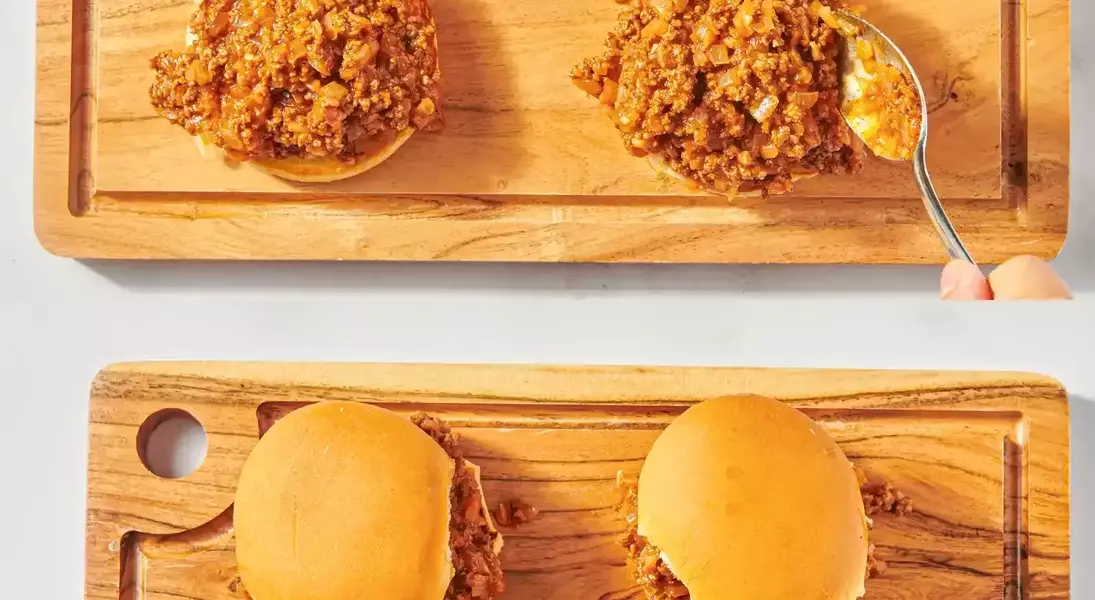
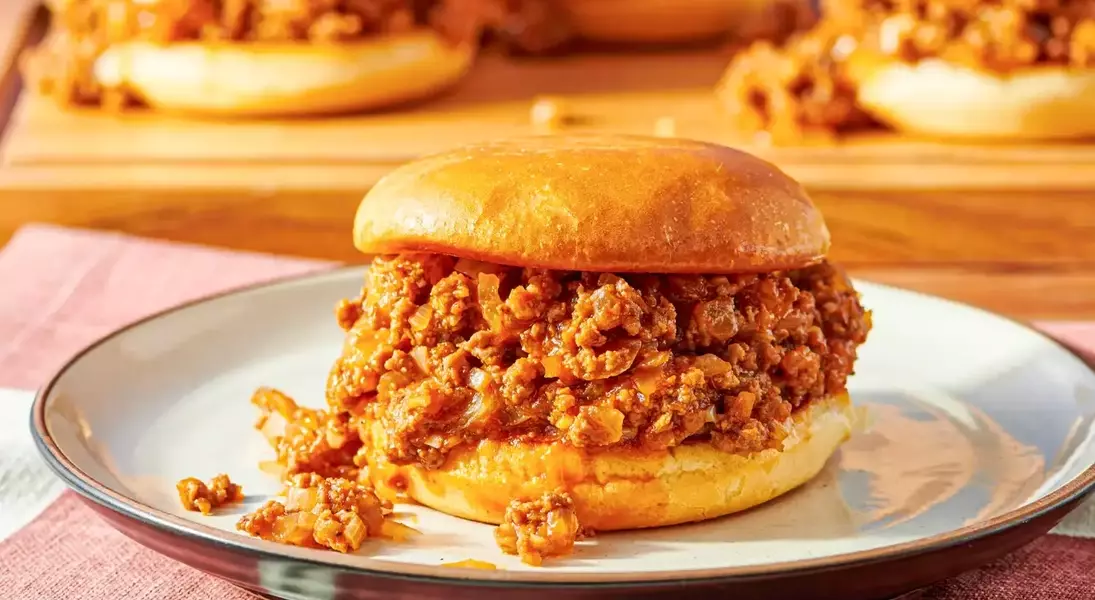
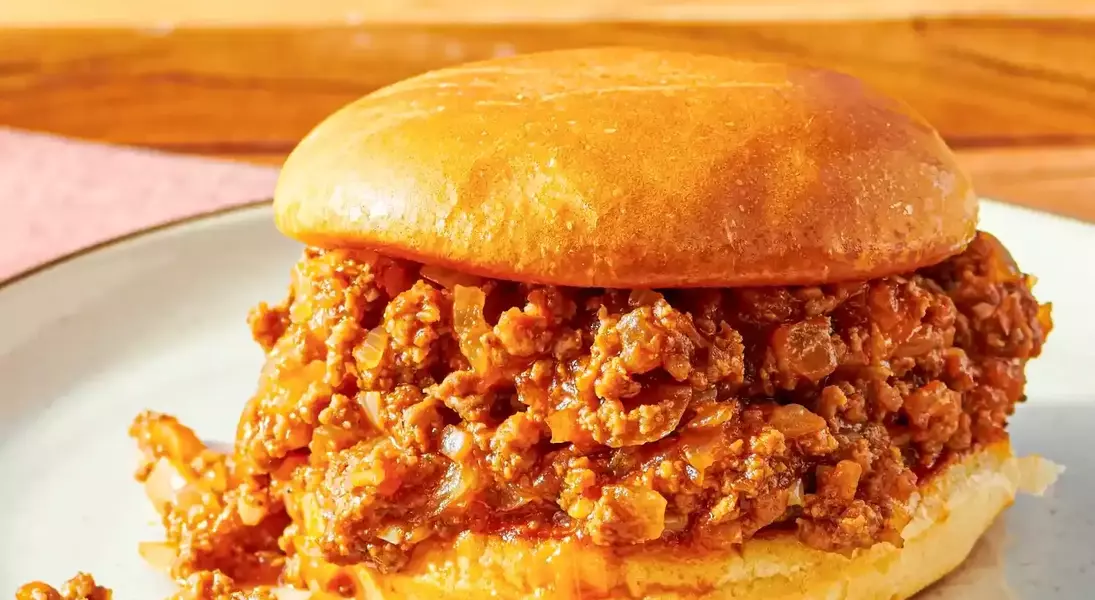
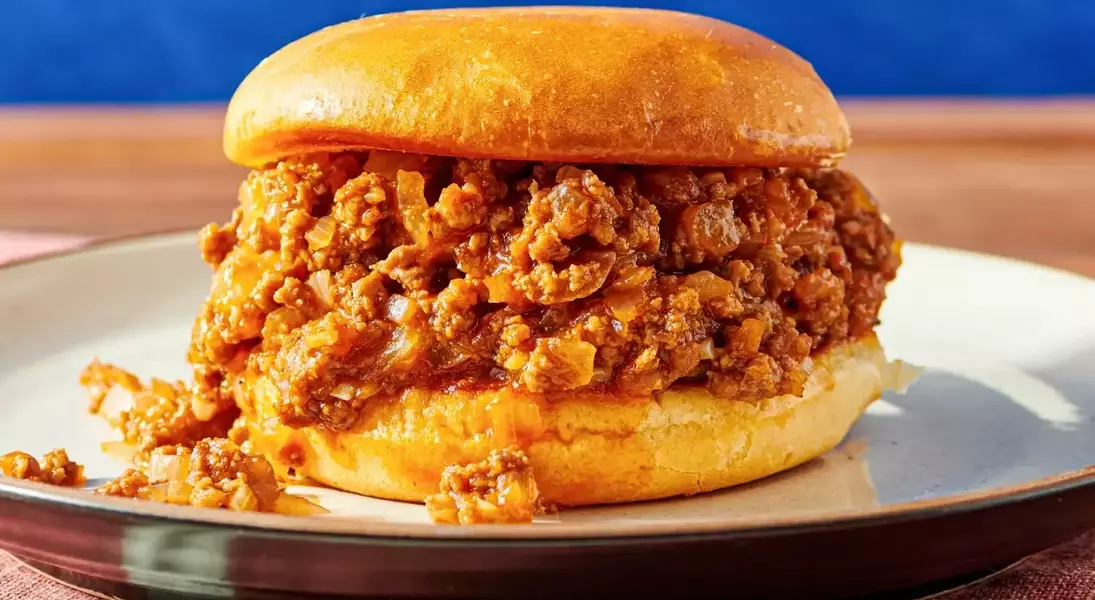


Sloppy Joes, a cherished American culinary classic, hold a special place in the hearts of many, often evoking memories of childhood and simpler times. Yet, the typical cafeteria or fast-food version often falls short of its nostalgic promise, leaving diners with an overly sweet, greasy, and somewhat unappetizing experience. This article takes a deep dive into the essence of the sloppy Joe, exploring its mysterious origins and offering a revamped approach to preparing this beloved sandwich. By focusing on elevated ingredients and refined cooking techniques, it's possible to create a homemade sloppy Joe that not only honors its nostalgic roots but also transcends its humble beginnings, delivering a flavor and texture profile that is both comforting and sophisticated.
The journey to perfecting the sloppy Joe involves more than just assembling ingredients; it's about understanding the science and artistry behind flavor development. From achieving the ideal texture in the ground meat by strategically browning only a portion of it to crafting a sauce that balances sweetness with a zesty tang, every step is crucial. This reinterpretation emphasizes the importance of quality components, such as a rich tomato base, a hint of robust mustard, and a touch of brown sugar for depth, all culminating in a dish that is far removed from its mass-produced counterparts. The result is a sloppy Joe that retains all the charm and familiarity of the original but with a heightened sense of culinary excellence, proving that even the most straightforward dishes can be transformed into something extraordinary with a thoughtful approach.
The Enduring Allure of the Sloppy Joe: From Cafeteria to Culinary Canvas
The sloppy Joe, a quintessential American comfort food, has long been a fixture in school cafeterias and summer camps, its messy charm an iconic part of many childhoods. My own introduction to this culinary creation came not from a school lunchroom, but through the silver screen, specifically the 1995 film "It Takes Two." The movie depicted the simple delight of biting into a generously sauced meat sandwich, sparking an imaginative craving that years later, proved difficult to satisfy with actual cafeteria versions. These early experiences often left me with a sense of disappointment; the real-life sloppy Joes were frequently too sweet, too greasy, and lacked the vibrant, balanced flavor my imagination had conjured. This common sentiment, echoed by others, highlights a pervasive critique of the dish: its tendency to be an over-sweetened, unappetizing mess, far removed from any genuine culinary appeal. Yet, despite these shortcomings, the sloppy Joe has maintained a firm grip on the American psyche, suggesting a deep-seated nostalgic connection that transcends its typical preparation.
The persistent appeal of the sloppy Joe, despite its often-criticized execution, points to its inherent comfort food status. It symbolizes a simpler time, a quick and satisfying meal that requires little fuss. The dish's history is somewhat shrouded in mystery, with various theories attributing its creation to a bartender in Havana, Cuba, or linking it to the Midwest's "loose meat sandwiches." Regardless of its precise origins, the sloppy Joe cemented its place as a staple, particularly in institutional settings, due to its ease of preparation and broad appeal. However, the very factors that made it popular in mass catering—simplicity and cost-effectiveness—also contributed to its culinary downfall, leading to the gloopy, overly sweet iterations that became synonymous with the dish. This pervasive image of the sloppy Joe as a less-than-gourmet item has, paradoxically, fueled a desire among food enthusiasts to reclaim and refine it, transforming it from a mere nostalgic callback into a genuinely enjoyable and flavorful meal.
Elevating the Classic: A Modern Take on the Sloppy Joe
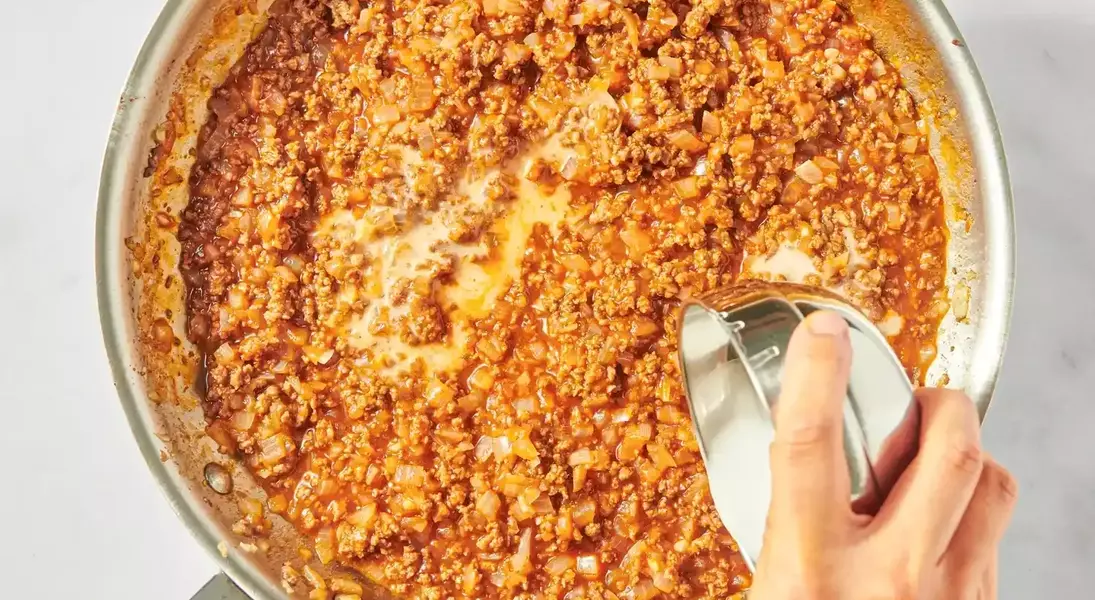
My quest to perfect the sloppy Joe began with a desire to recreate its nostalgic essence while consciously avoiding the pitfalls of overly sweet and greasy renditions. The core challenge was to enhance the dish's fundamental elements—ground beef and a rich, tangy tomato sauce—through thoughtful culinary techniques. A key innovation in my approach draws inspiration from traditional ragù preparation: I brown only half of the ground beef over high heat. This method leverages the Maillard reaction, a complex chemical process that develops deep, roasted flavors and enticing aromas, enriching the sauce with a savory depth often missing in conventionally prepared sloppy Joes. By keeping the other half of the meat briefly cooked, a tender texture is preserved, ensuring that each bite offers a satisfying contrast between rich, browned flavors and succulent meat. This dual-cooking technique achieves a harmonious balance, providing both profound taste and desirable mouthfeel, a marked improvement over homogenous, uniformly cooked meat mixtures.
The sauce is another area of significant refinement. Its signature thickness is achieved through the strategic use of a cornstarch slurry, contributing to a pleasant consistency without any gloopy residue. The tomato base is built on a blend of quality tomato or marinara sauce and a specific brand of ketchup, emphasizing the importance of ingredient selection for optimal flavor. Complementing the tomato's natural sweetness, brown sugar introduces a molasses-rich depth that harmonizes with the sharp, piquant notes of Dijon mustard and Worcestershire sauce, creating a complex and well-rounded flavor profile. An optional, yet highly recommended, addition of MSG further amplifies the savory notes, binding all the flavors together for a truly satisfying experience. This meticulous attention to detail in both meat preparation and sauce development results in a sloppy Joe that, while undeniably evoking fond memories, surpasses its traditional counterparts in taste and sophistication. It’s a dish that resonates with childhood nostalgia but appeals to a more discerning palate, offering a delicious testament to the power of thoughtful cooking.
