
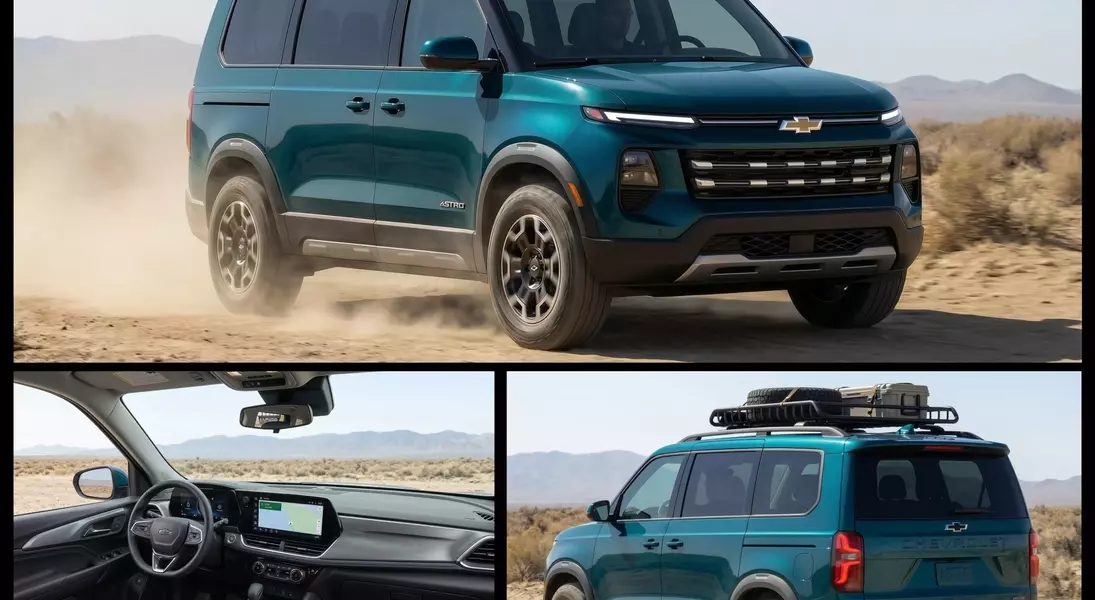

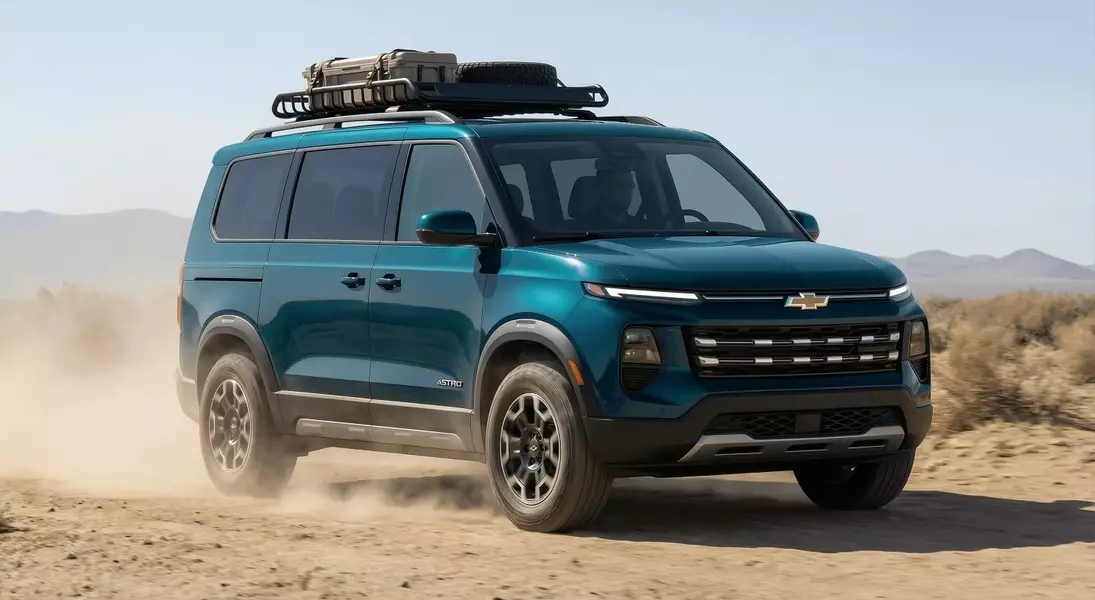
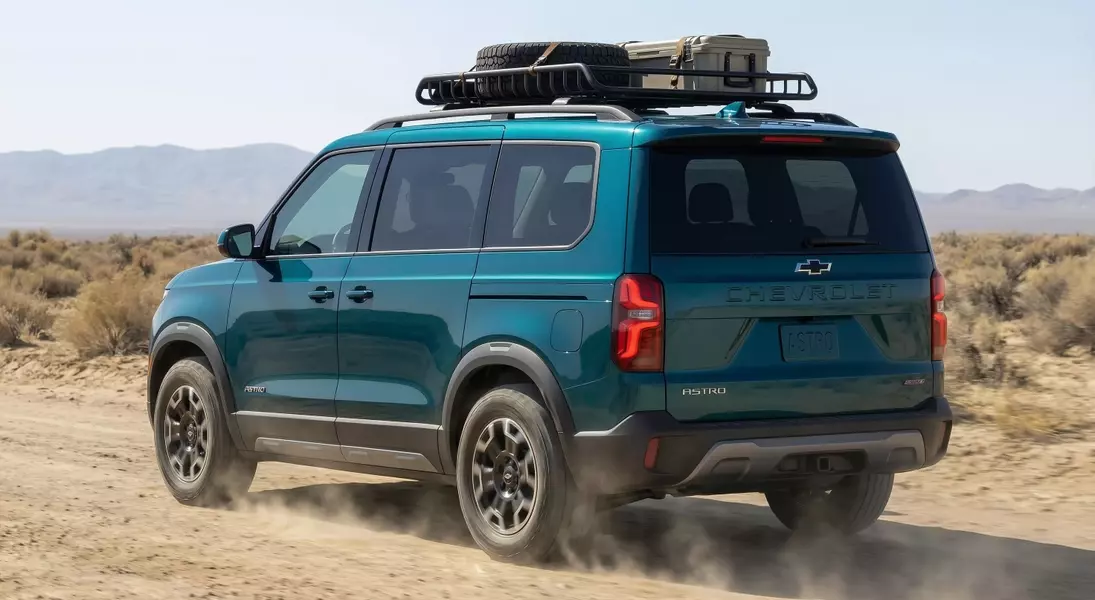
Once a staple for families and tradespeople, the Chevrolet Astro van's potential return is sparking considerable discussion. This iconic vehicle, known for its durability and utilitarian appeal, could be revitalized by adopting the robust body-on-frame architecture of the Chevrolet Colorado. As interest in rugged adventure vans grows, a modern Astro might perfectly blend nostalgic charm with contemporary capability, catering to a diverse range of buyers seeking a powerful and reliable family hauler.
Astro Van's Potential Rebirth: Blending Heritage with Modern Engineering
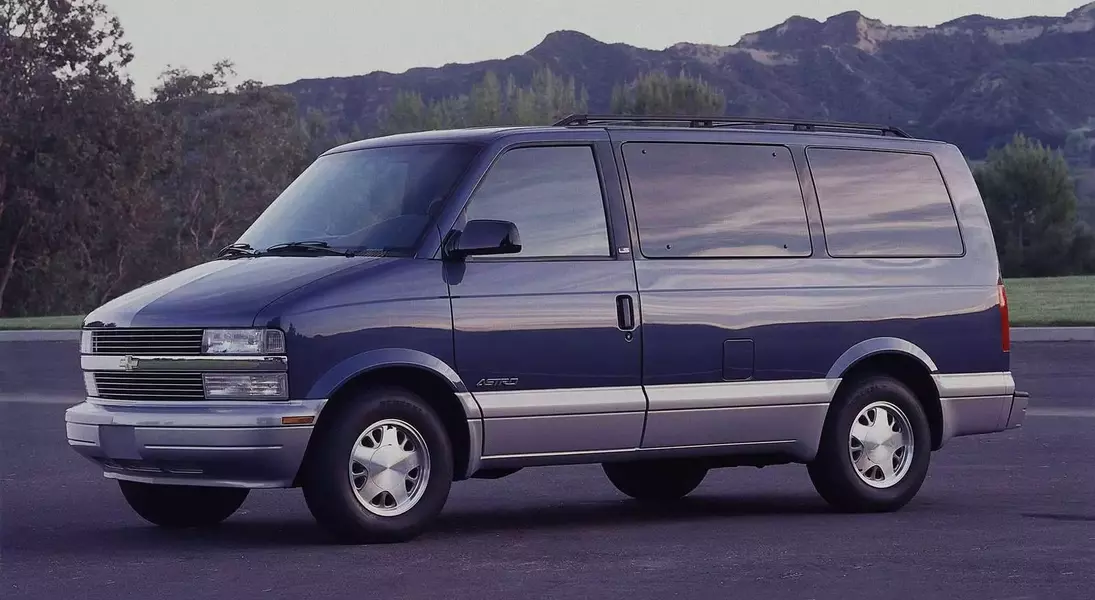
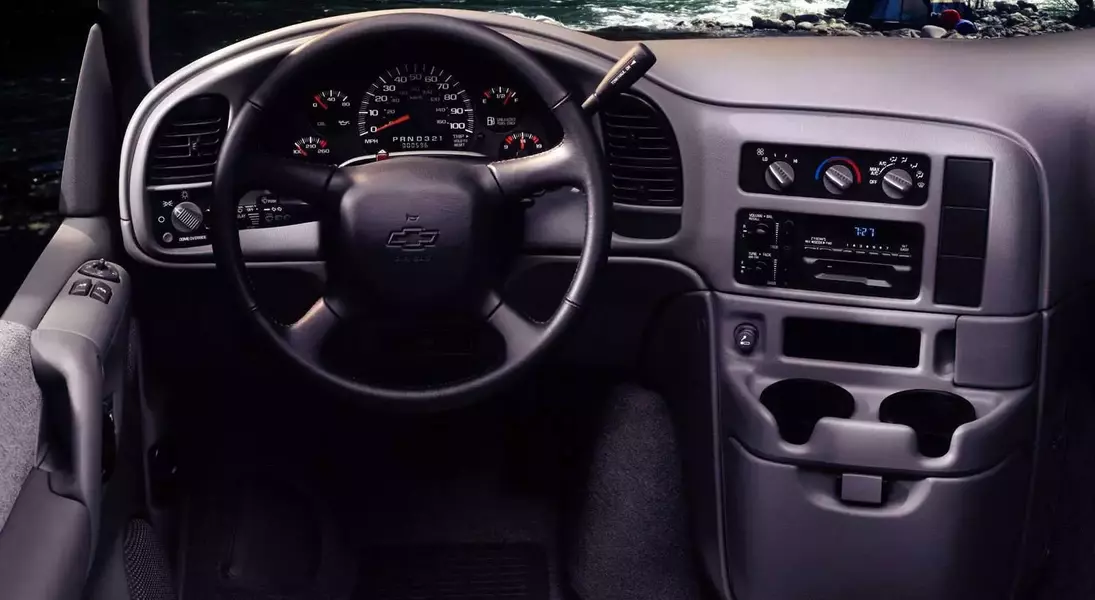
The Chevrolet Astro, a name synonymous with versatility and resilience during its two-decade production run from 1985 to 2005, is being envisioned for a grand comeback. This concept aligns with the current resurgence in popularity of body-on-frame adventure vans, presenting a timely opportunity for General Motors to reintroduce a vehicle that captured the hearts of countless American families and small businesses. The discussion centers on whether the robust platform of the Chevy Colorado pickup truck could serve as the ideal foundation for a new-generation Astro.
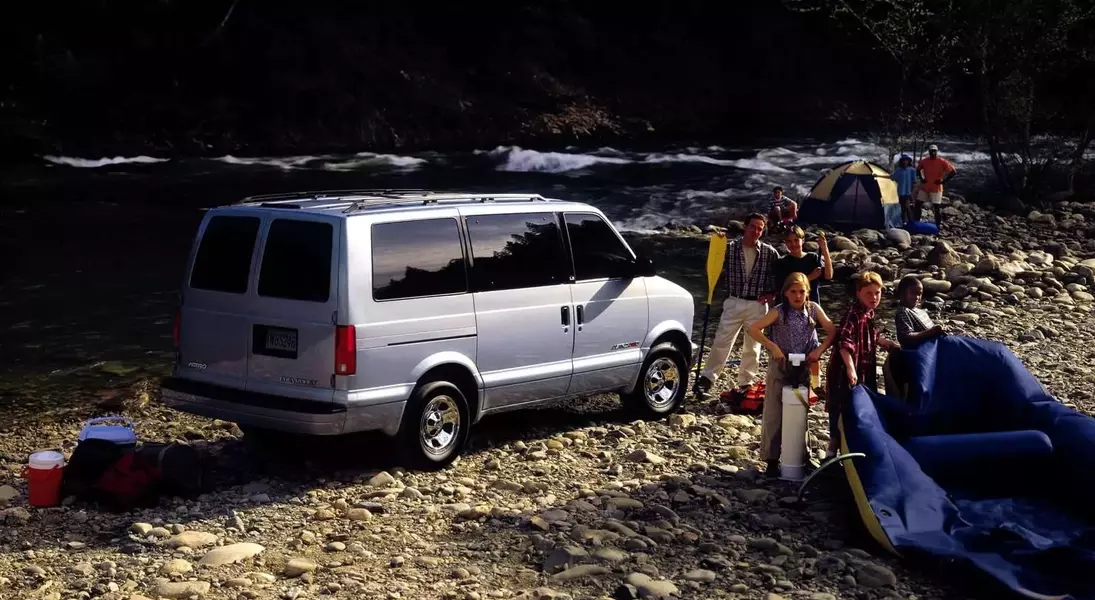
While the original Astro utilized a subframe-reinforced unibody structure, it drew significant inspiration and components from the Chevrolet S-10 pickup, the Colorado's direct predecessor. This lineage suggests a natural evolution towards a fully body-on-frame design, enhancing the van's off-road prowess and towing capabilities—features increasingly sought after by modern consumers. Proponents argue that such a move would allow the new Astro to offer best-in-class towing capacities and superior durability, making it an attractive option for those who find traditional minivans insufficient for their needs, such as towing RVs or carrying extensive camping gear.
A modern Astro, built on a potentially shortened Colorado chassis, would likely retain the signature boxy aesthetics that defined its predecessors while integrating contemporary design elements to fit seamlessly within Chevrolet's current vehicle lineup. Essential features like user-friendly sliding rear doors and a split-opening tailgate would undoubtedly be carried over, honoring the van's legacy. Powering this reimagined vehicle, the Colorado's turbocharged 2.7-liter four-cylinder engine, offering 310 horsepower and 430 lb-ft of torque, presents a compelling option for a blend of power and efficiency. The availability of both rear-wheel drive and four-wheel drive would further expand its appeal, from daily family commutes to adventurous outdoor expeditions.
Reflecting on the Astro's Future: A Blend of Nostalgia and Innovation
The prospect of a new Chevrolet Astro prompts reflection on the evolving automotive landscape and consumer desires. In an era where van culture is experiencing a revival, fueled by digital nomads and families seeking rugged, capable vehicles, the absence of the Astro is keenly felt. Reintroducing this iconic van, modernized with a tough body-on-frame construction and advanced powertrain options, could be a shrewd move for Chevrolet. It would not only tap into a deep well of nostalgia but also address a genuine market need for versatile, durable family and adventure haulers that offer more than just comfort and fuel efficiency. This potential revival symbolizes a blend of heritage and forward-thinking innovation, inviting consumers to consider whether the past holds the key to future automotive success.
