Automotive manufacturers are increasingly exploring dynamic vehicle aesthetics, with Porsche introducing a groundbreaking system for customizable car finishes. While BMW previously showcased e-Ink technology for color-shifting vehicles and Toyota patented heat- and light-responsive paints, Porsche's approach focuses on direct color replication. Their recent patent, filed with the World Intellectual Property Office, details a method for capturing and instantly applying any color seen in the surroundings onto a car's exterior, offering a unique personalization experience.
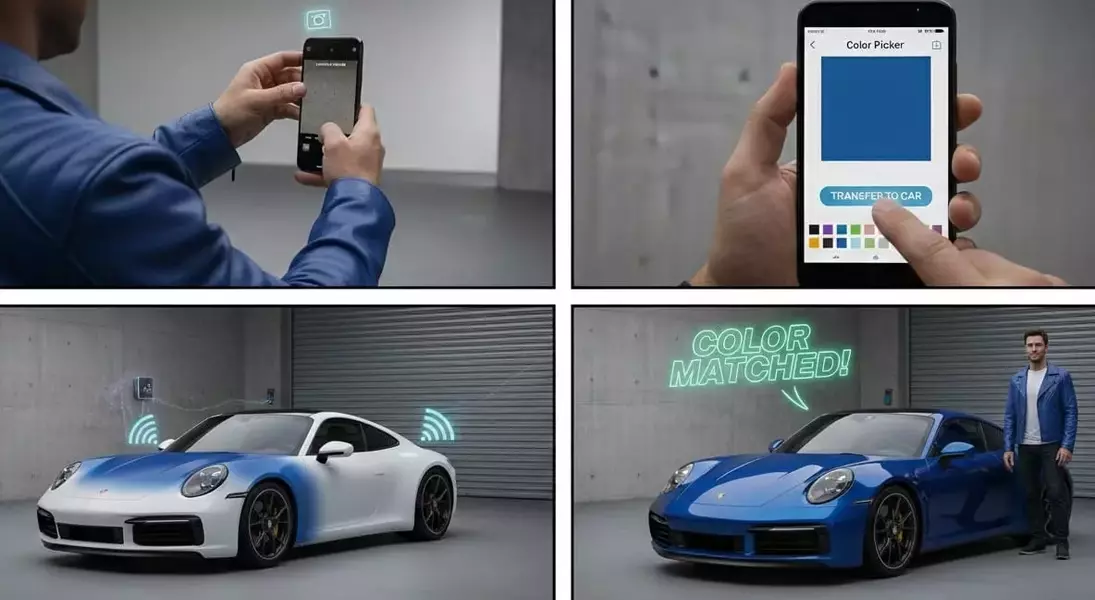
Porsche's innovative patent proposes a camera-based system that allows users to capture any desired color from their environment. This could involve a smartphone snapping a photo and transmitting the color data to the car's paint controller, or integrated vehicle cameras directly scanning objects for color matching. This technology aims to simplify the customization process, eliminating the need for lengthy bespoke paint orders and potentially allowing drivers to change their car's color to match personal items or even a lipstick shade, a level of personalized expression that was previously a time-consuming luxury.
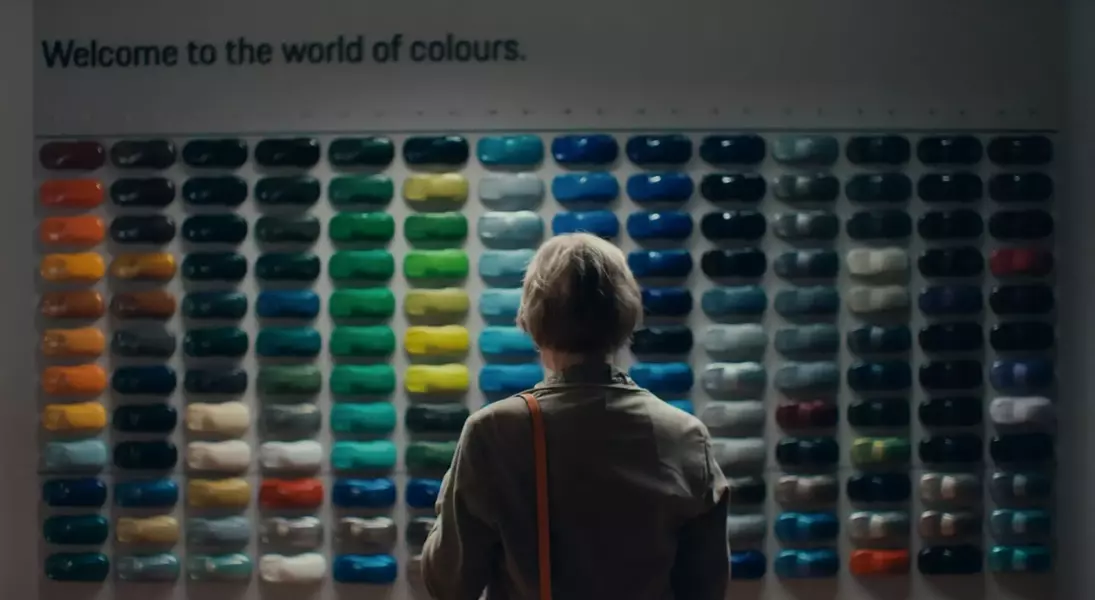
The application of this technology could manifest either as a specialized film or an integrated paint system, with the latter potentially incurring higher costs. Beyond individual customization, this innovation could transform the car buying experience in showrooms. Instead of relying on physical swatches, prospective buyers could visualize an endless array of colors on a full-sized vehicle with the push of a button, making the decision-making process more immersive and immediate. While implementing such a dynamic paint system on customer vehicles might involve navigating regulatory and insurance challenges, the increasing interest from leading automakers signals that color-changing car technology is moving rapidly from concept to a tangible reality, promising an exciting future for vehicle personalization.
This pioneering step in automotive surface technology opens up a world of possibilities for personal expression and dynamic aesthetics. It signifies a future where technology seamlessly integrates with design, offering unparalleled customization and visual adaptability. This advancement encourages a forward-thinking perspective, illustrating how creative solutions can overcome conventional limitations and inspire both innovation and individuality in the automotive industry.
