






Volvo, a brand that originated in Gothenburg, Sweden, in 1927, made its debut in the United States in August 1955. Since then, it has cultivated a reputation for its distinctive Scandinavian design, unwavering commitment to safety, and a celebrated line of station wagons. While the brand has produced numerous notable sedans and SUVs throughout its extensive history, enthusiasts often find themselves particularly drawn to Volvo's long-roof models. For one enthusiast, the opportunity to drive several of Volvo's most iconic wagons recently proved to be a remarkable experience, marking a personal first for driving models older than 2017, just in time for the brand's 70th anniversary in the U.S. in 2025.
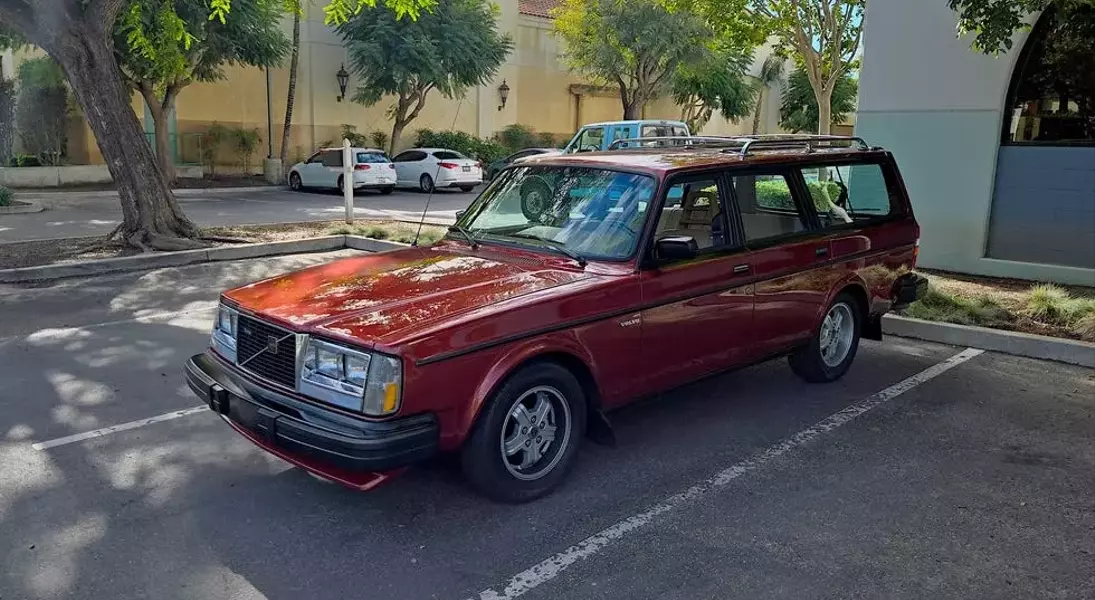
Volvo's legacy of safety began in 1959 with the introduction of the three-point seatbelt, a innovation credited with saving thousands of lives annually in America. This commitment was further solidified with the 200 series, a line of vehicles designed with stringent safety standards in mind, so impressive that the U.S. government adopted the 240 model as a benchmark for new cars. Among these, the 1982 Volvo 245 GLT Turbo stood out, not just for safety but also for its surprising speed, once hailed as one of the world's fastest station wagons despite its modest 130 horsepower. Moving forward, the 1995 Volvo 850 T-5R Wagon elevated the performance bar significantly. This limited-production model boasted a 2.3-liter turbocharged five-cylinder engine, producing 240 horsepower, allowing it to accelerate from zero to 60 mph in just 6.7 seconds, a remarkable feat for its time. Not only was it fast, but it also offered practical innovations like a child booster seat and optional rear-facing jump seats, increasing passenger capacity to seven.
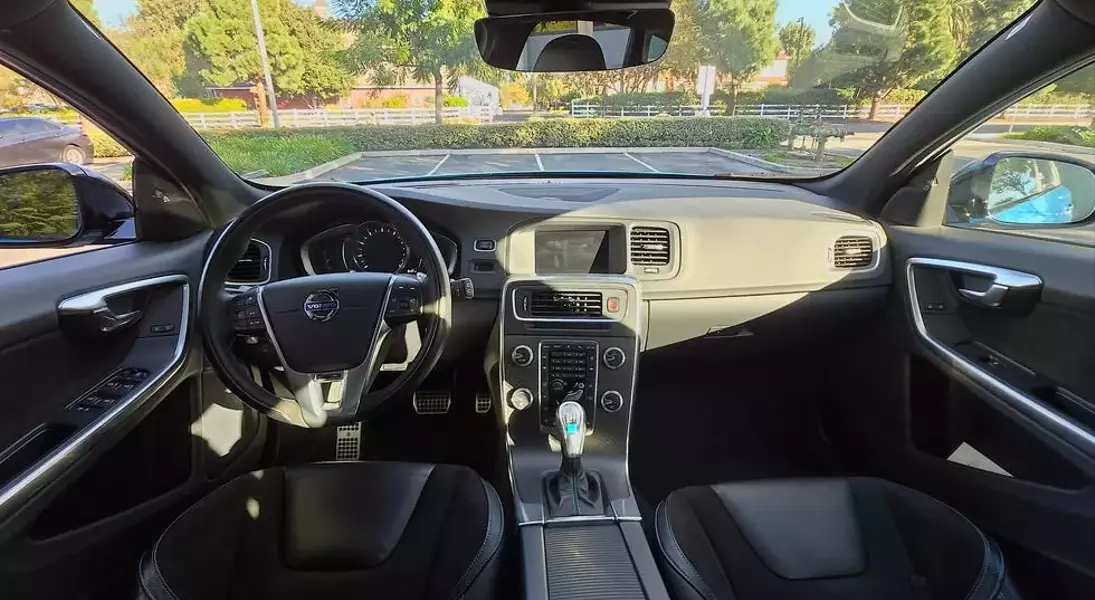
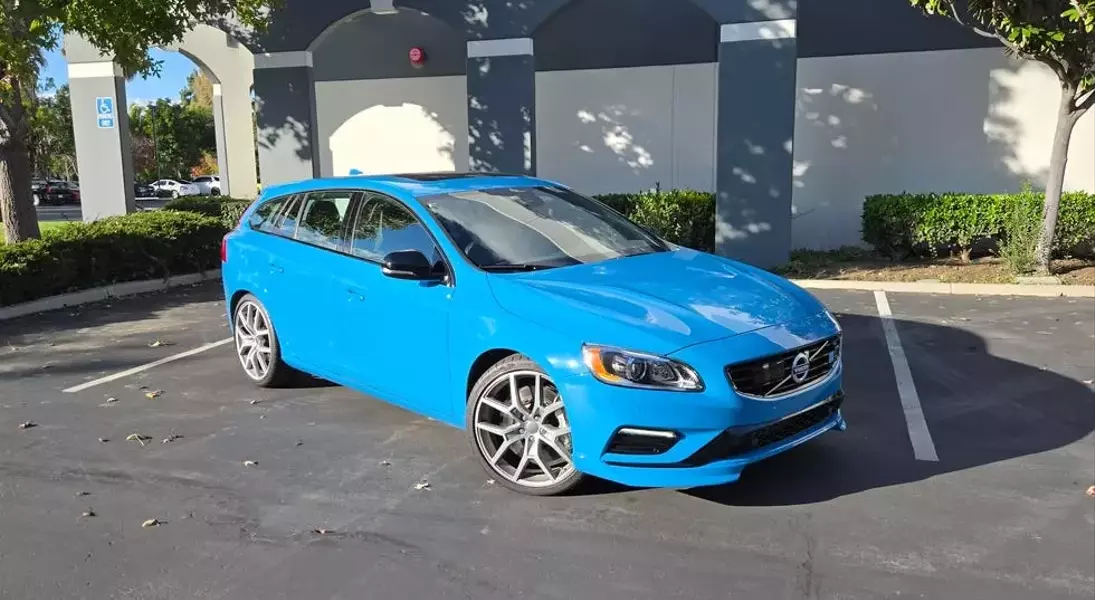
The evolution of Volvo's wagons continued with the 1999 V70 Cross Country, a successor to the 850 long-roof models that introduced an all-wheel-drive variant and a rugged aesthetic with body cladding and a slightly raised ride height. This model embodied the core Volvo ethos of stylish comfort, featuring thoughtful details like a reversible cargo mat and a ceiling-mounted barrier for pets. The author's journey culminated with the 2015 Volvo V60 Polestar, a high-performance wagon born from Volvo's collaboration with its racing partner. This limited-production model, with its potent 345-horsepower turbocharged 3.0-liter straight-six engine and distinctive Rebel Blue paint, offered an exhilarating driving experience characterized by precise steering and a powerful, sonorous engine note, making it a truly memorable automotive encounter.
Reflecting on these diverse models, it becomes clear that Volvo has consistently demonstrated a profound understanding of vehicle engineering, prioritizing both occupant protection and an engaging driving experience. Their commitment to thoughtful design, robust construction, and a forward-thinking approach to automotive development has not only shaped their own brand identity but also influenced the broader automotive landscape, fostering a legacy that continues to inspire and innovate for future generations of drivers.
