
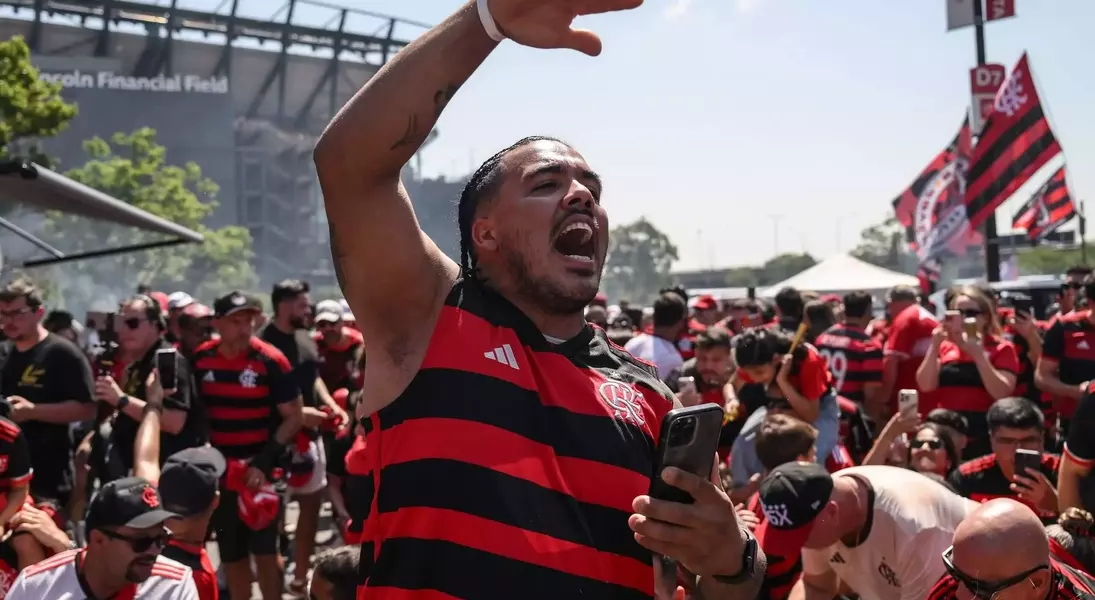
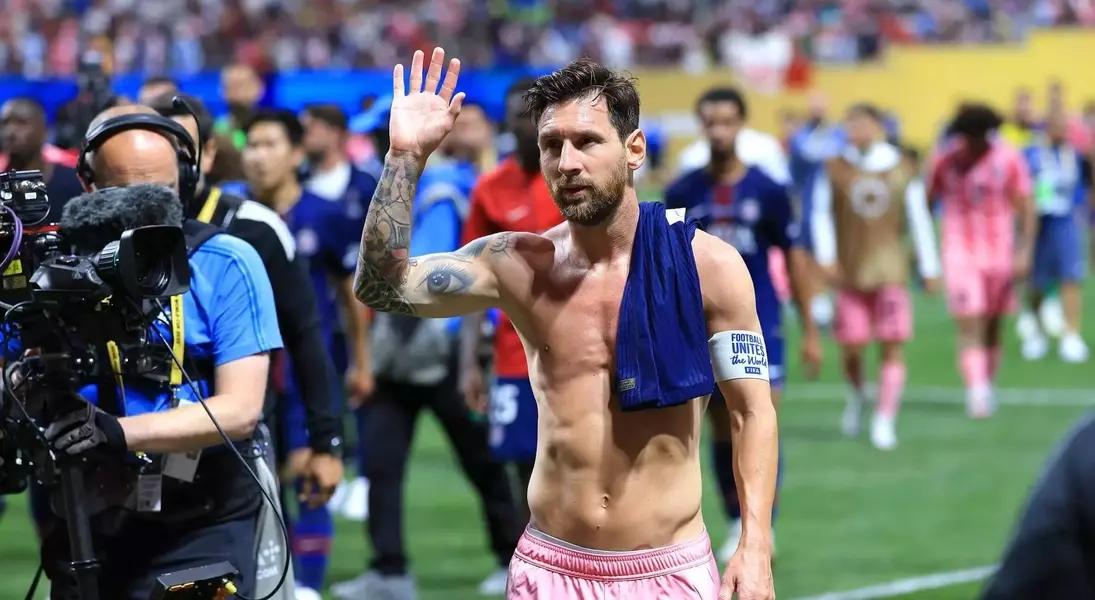
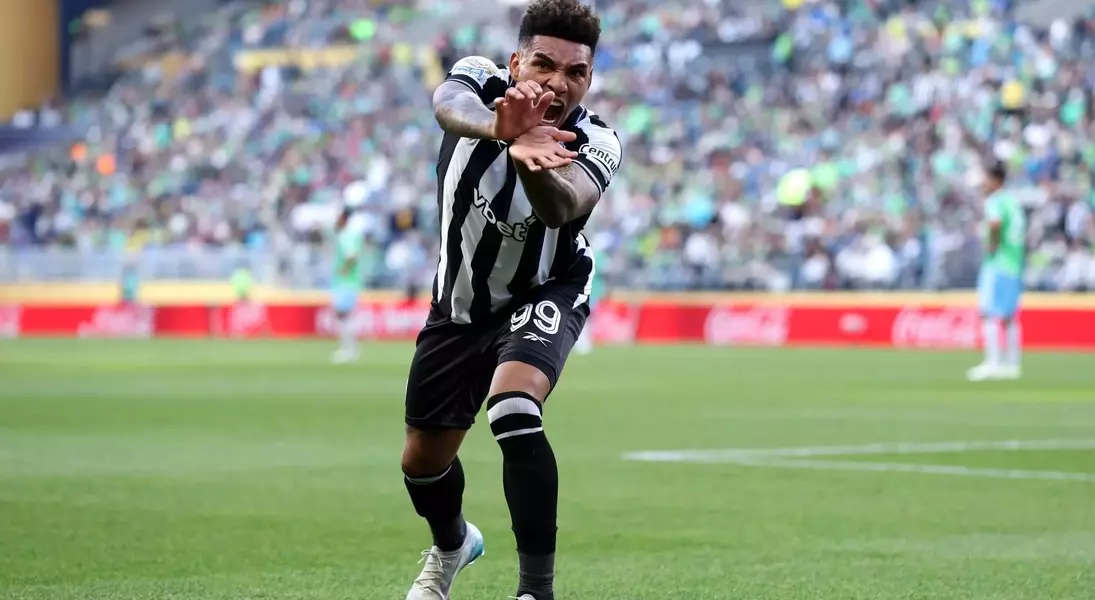
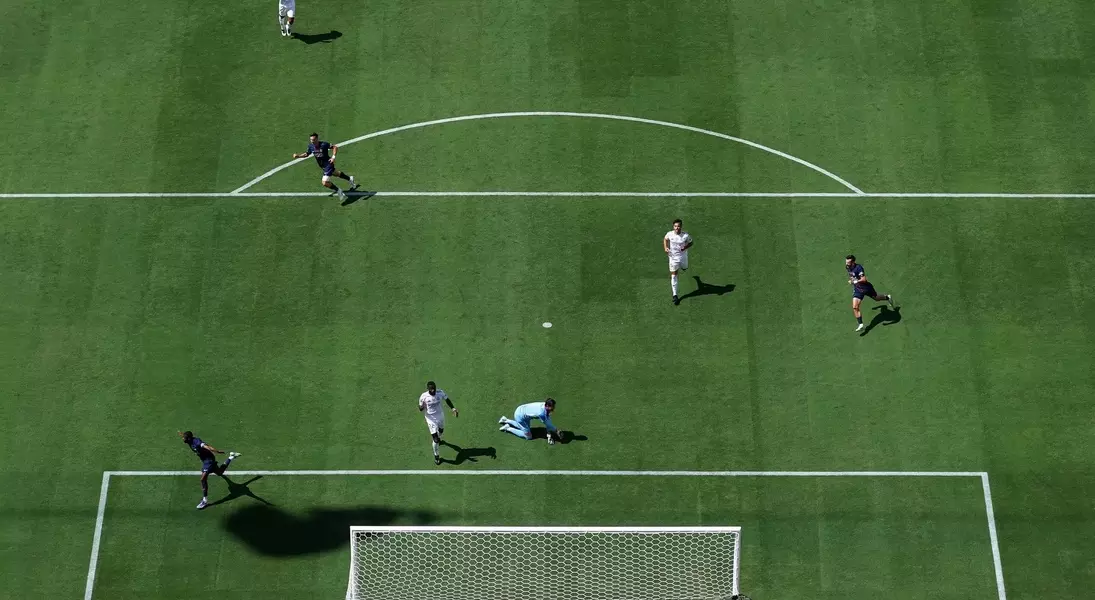
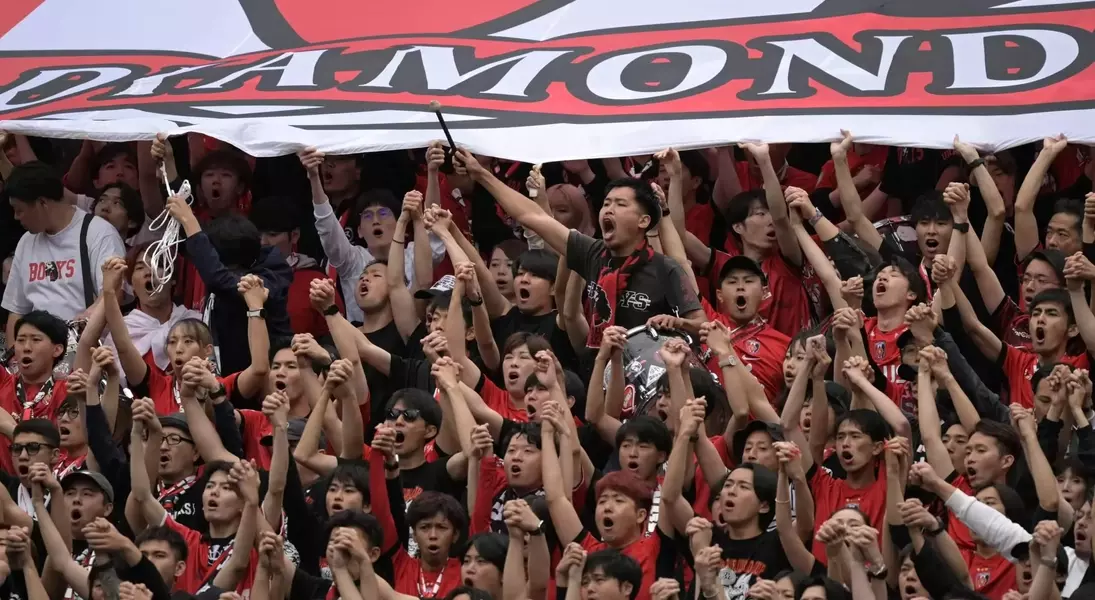
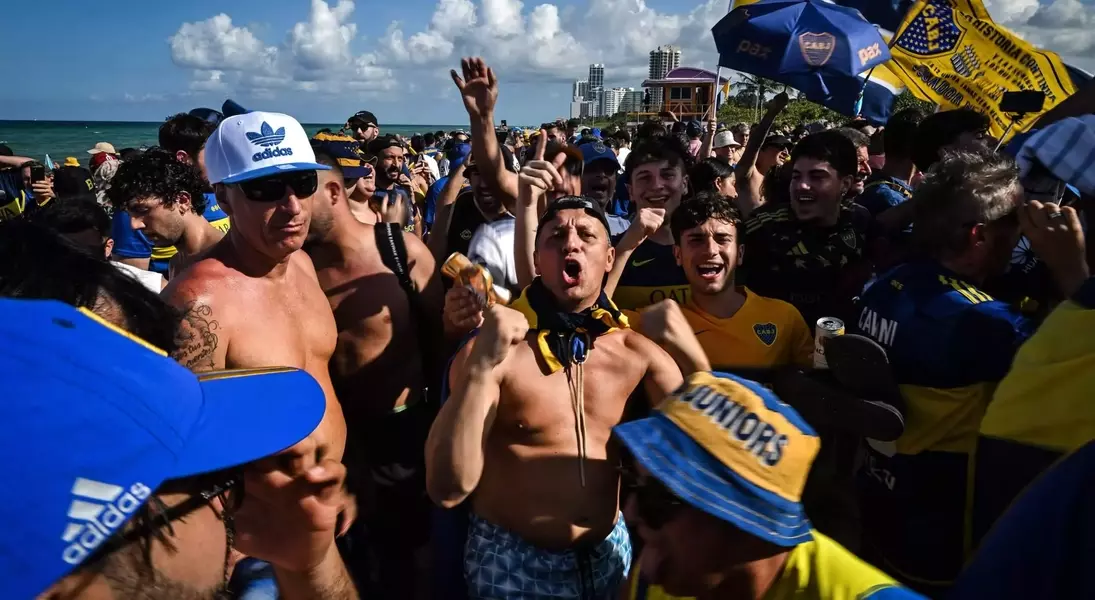
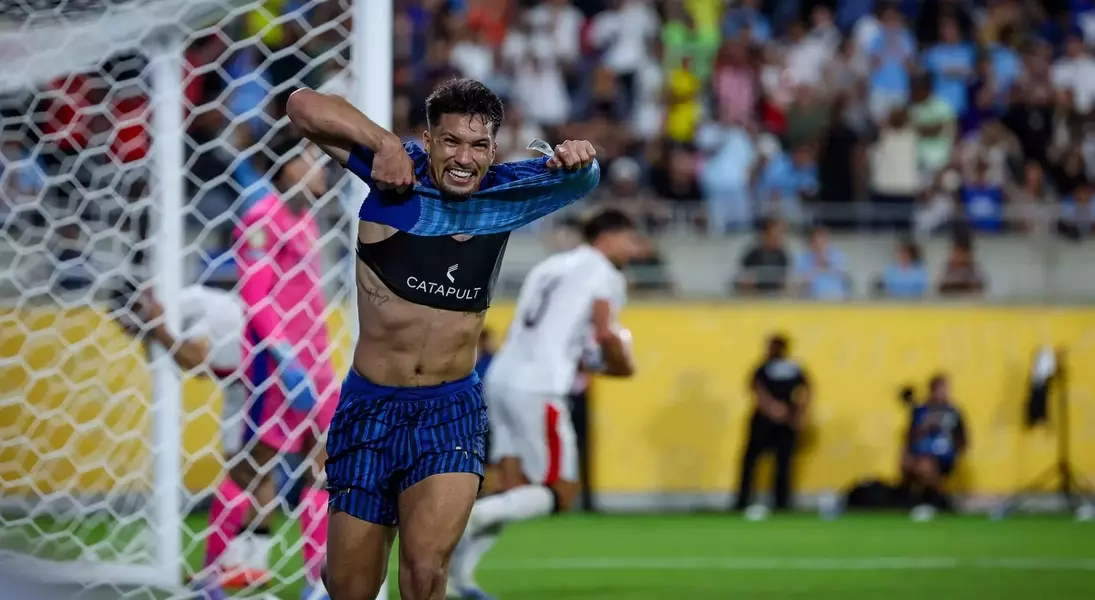
The inaugural expanded Club World Cup proved to be an event of contrasting fortunes, marked by both exhilarating highlights and considerable challenges. Several esteemed football commentators shared their observations on the tournament's most captivating aspects, from unexpected victories to the fervent passion of diverse fan bases. Notable moments included the laid-back demeanor of Pep Guardiola, Cole Palmer's unpretentious scooter ride through Times Square, Thiago Silva's inspiring leadership, and Al Hilal's stunning upset over Manchester City. The vibrant enthusiasm of South American supporters, particularly Boca Juniors and Flamengo fans, transformed stadiums into electrifying atmospheres, creating unforgettable experiences. Additionally, the sheer talent displayed by players such as Angel Di Maria, Lionel Messi, Jhon Arias, and Gonzalo Garcia captivated audiences, reminding everyone of football's enduring allure.
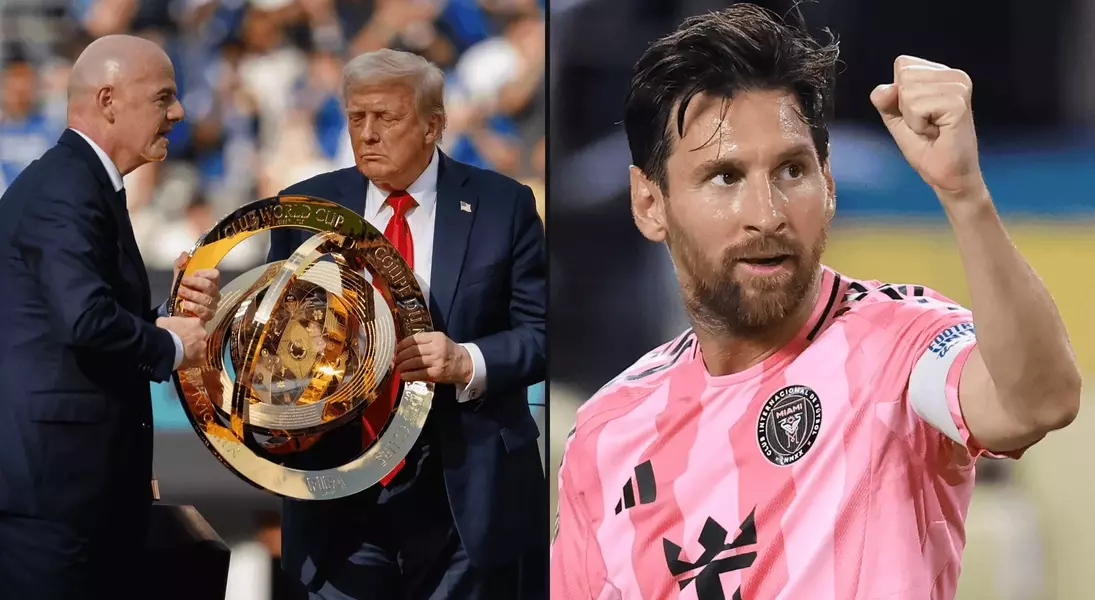
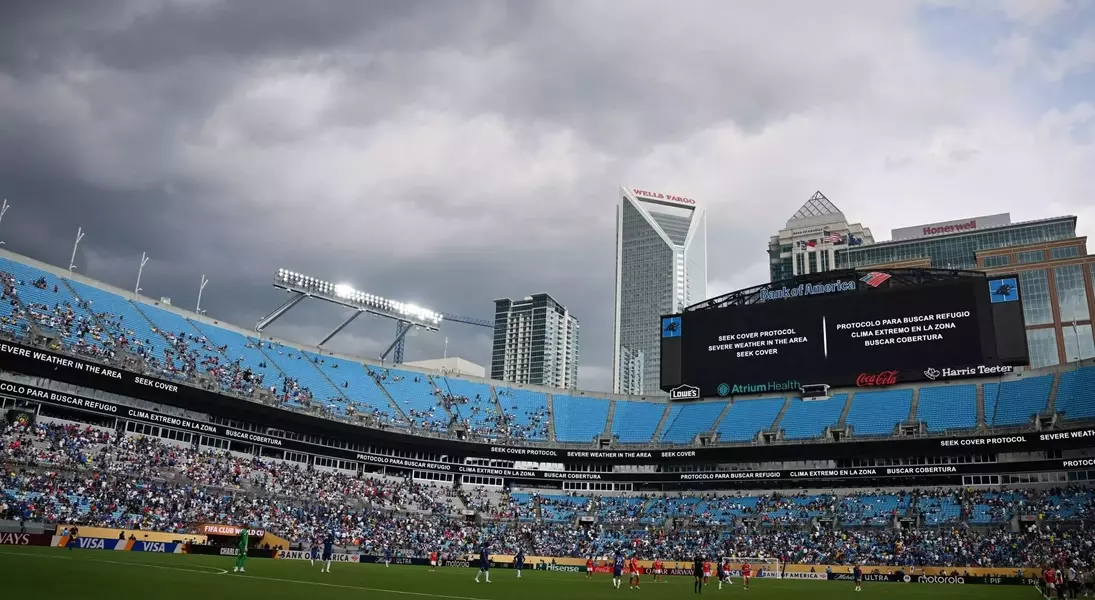
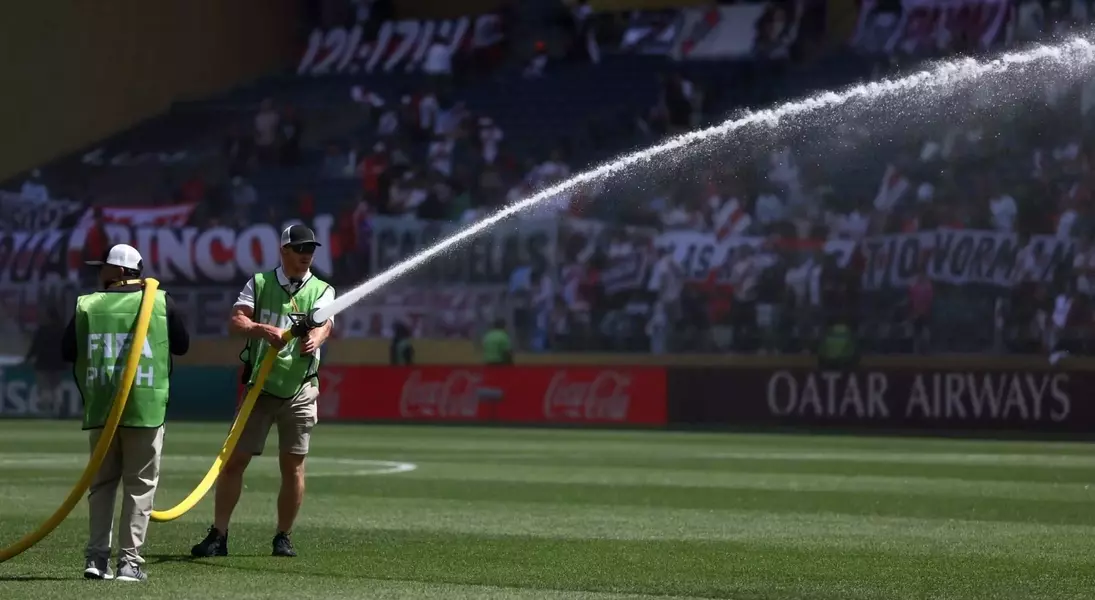
However, the tournament was not without its darker shades, revealing significant concerns that cast a shadow over the sport's future events. The deeply emotional response to the tragic news surrounding Diogo Jota and Andre Silva highlighted the human cost of the relentless football calendar. Moreover, the blatant politicization of the event, exemplified by Gianni Infantino and Juventus' visit to the White House, stirred controversy and raised questions about the separation of sport and politics. Logistical issues, including extreme heat, unreliable infrastructure, and the Americanization of football presentation with excessive theatrics, drew criticism from many, prompting calls for reform. These challenges underscore the need for a more thoughtful approach to organizing major football tournaments, prioritizing player welfare and genuine fan experience over commercial interests and political grandstanding.
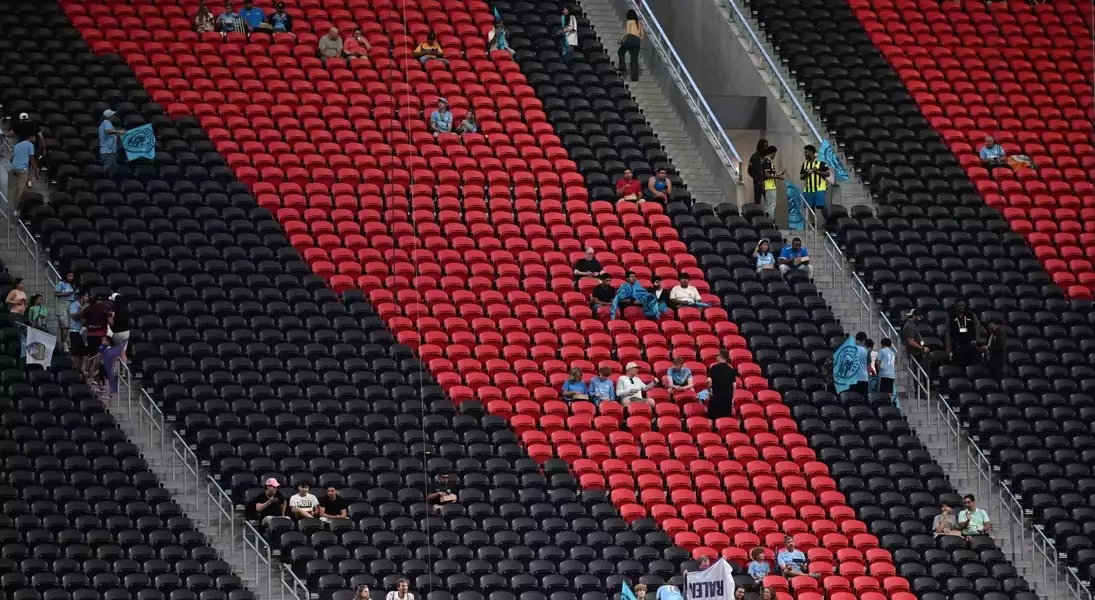
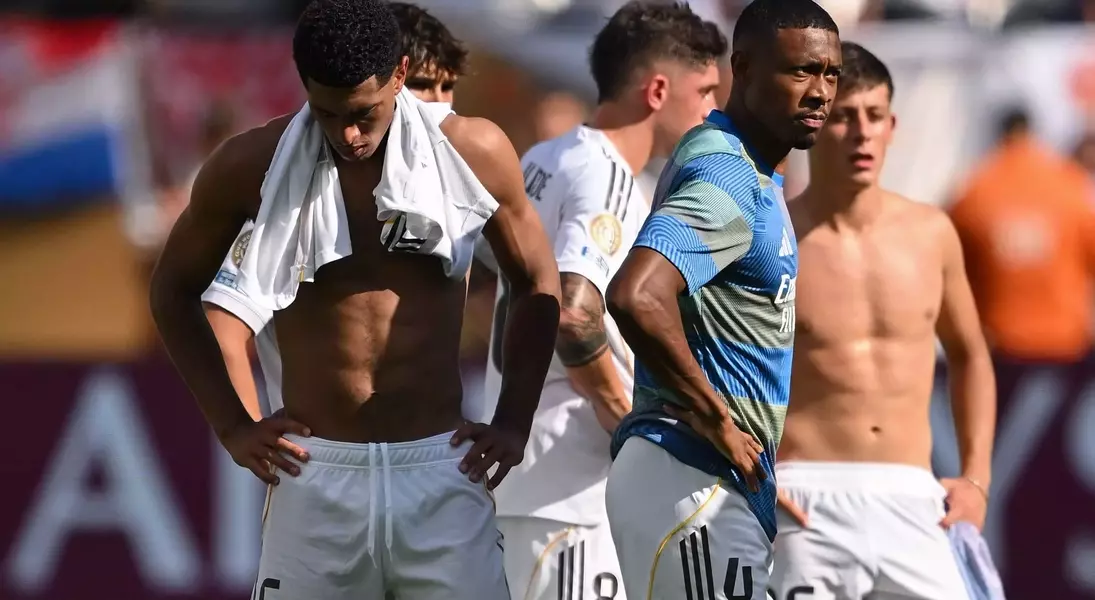
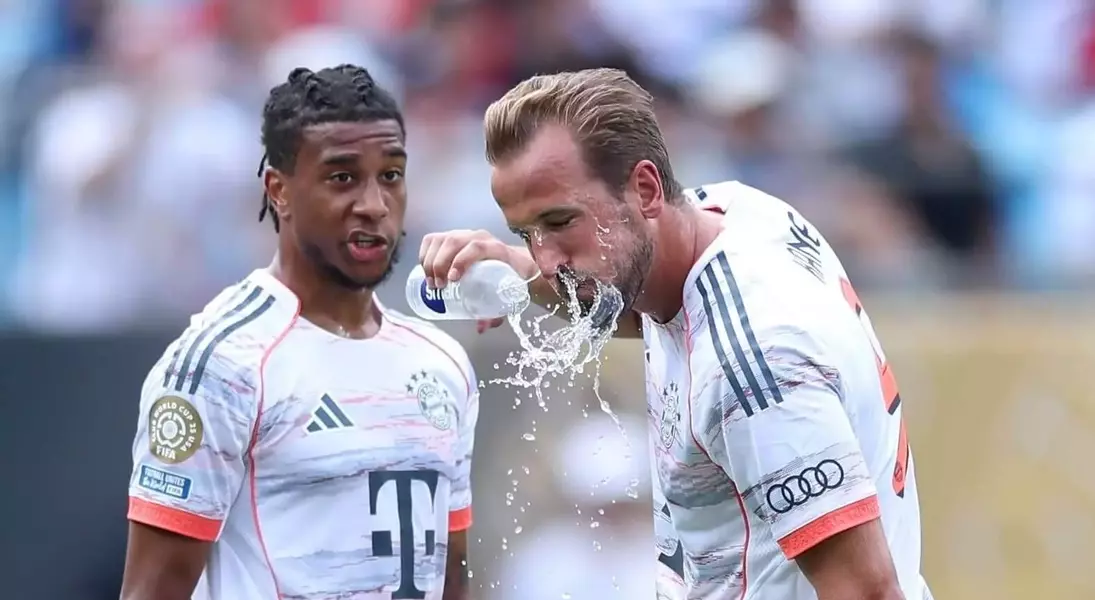
Moving forward, the Club World Cup offers valuable lessons for the future, particularly for the upcoming 2026 World Cup. The extreme weather conditions experienced during the tournament serve as a stark reminder of the physical toll on players, necessitating better scheduling and improved facilities. The spread-out nature of the event across various U.S. cities, while showcasing America's scale, also exposed logistical weaknesses in transportation and event management that demand significant improvements. The focus should shift from merely expanding tournaments to ensuring a high-quality, player-centric, and fan-friendly experience. Ultimately, the success of future global football spectacles hinges on prioritizing the essence of the beautiful game, fostering genuine continental rivalries, and distributing resources more equitably to benefit the sport at all levels.
The tapestry of joy and challenge woven during this Club World Cup serves as a powerful reminder that sport, at its best, unites and inspires. It highlights the passion of fans who cross oceans for their teams and the dedication of athletes who push boundaries. While commercial pressures and political interference may seek to distort its purity, the spirit of fair play, the pursuit of excellence, and the communal celebration of shared moments will always triumph. Moving forward, the global football community must embrace these lessons, striving to create events that are not only grand in scale but also deeply respectful of the game's integrity, its participants, and its devoted followers, ensuring that football remains a source of positive connection and human endeavor.
