In the dynamic realm of international football, a monumental shift has recently occurred with the successful staging of the expanded Club World Cup. This highly anticipated event, championed by FIFA President Gianni Infantino, defied numerous predictions of failure, cementing its place as a significant fixture in the global sports calendar. The tournament's journey from concept to grand spectacle mirrored that of a lavish, highly scrutinized celebrity wedding, both overcoming initial disdain and logistical hurdles to deliver an undeniable display of power and influence. This achievement not only underscores Infantino's formidable strategic prowess but also signals a new era for football's global reach and commercial landscape.
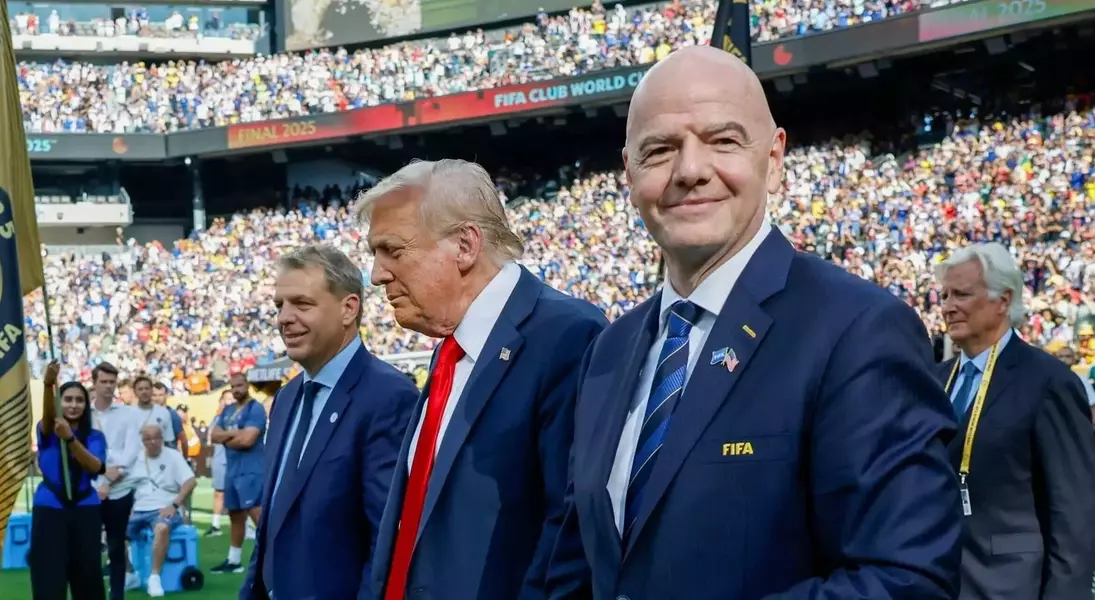
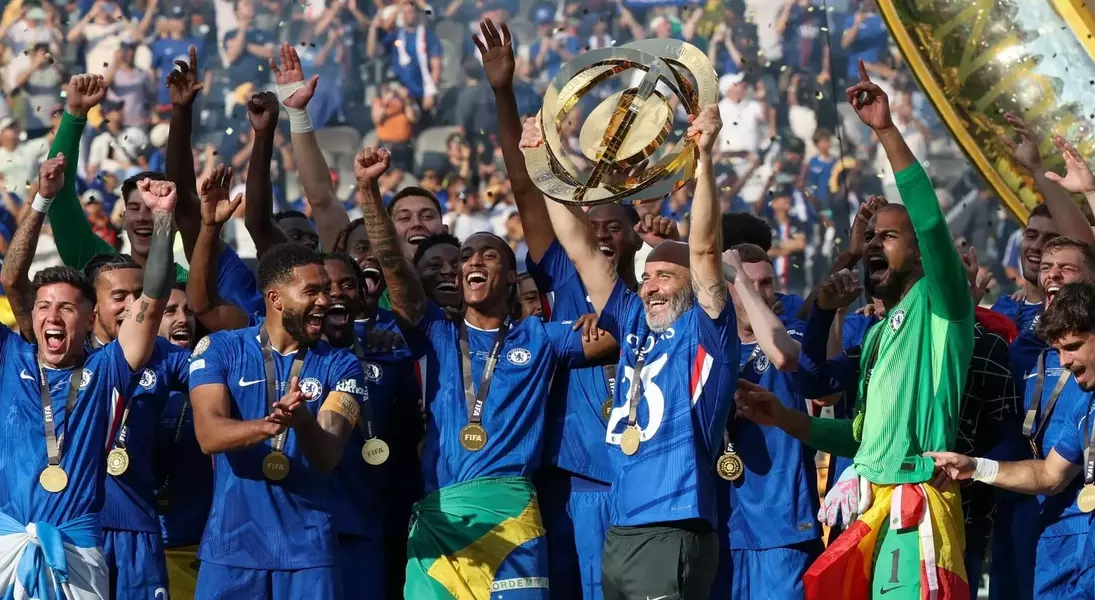
The newly expanded Club World Cup, featuring 32 teams, culminated in a dramatic final between Chelsea and Paris Saint-Germain at MetLife Stadium. Despite PSG's recent Champions League victory, they experienced a decisive 3-0 defeat. This event, much like a high-society wedding, was marked by its opulence and a guest list comprising influential figures, including Tom Brady, who had also been present at the recent nuptials of Jeff Bezos and Lauren Sanchez in Venice. The decision to proceed with the tournament faced considerable opposition, with concerns raised about fixture congestion, player welfare, and the financial viability of such a grand undertaking. Critics often dismissed it as a mere vanity project, a 'Copa Gianni' designed to serve Infantino's ambitions.
The skepticism surrounding the Club World Cup was profound, stemming from a history of failed attempts and strong resistance from various footballing bodies and clubs. Real Madrid's coach, Carlo Ancelotti, initially expressed strong reservations, citing the inadequate financial compensation offered to clubs for their participation. His reported comments sparked controversy, though Real Madrid later issued a statement affirming their commitment. Moreover, FIFPro, the global players' union, launched a legal challenge against FIFA's unilateral decision-making regarding the international match calendar, specifically targeting the Club World Cup's inclusion.
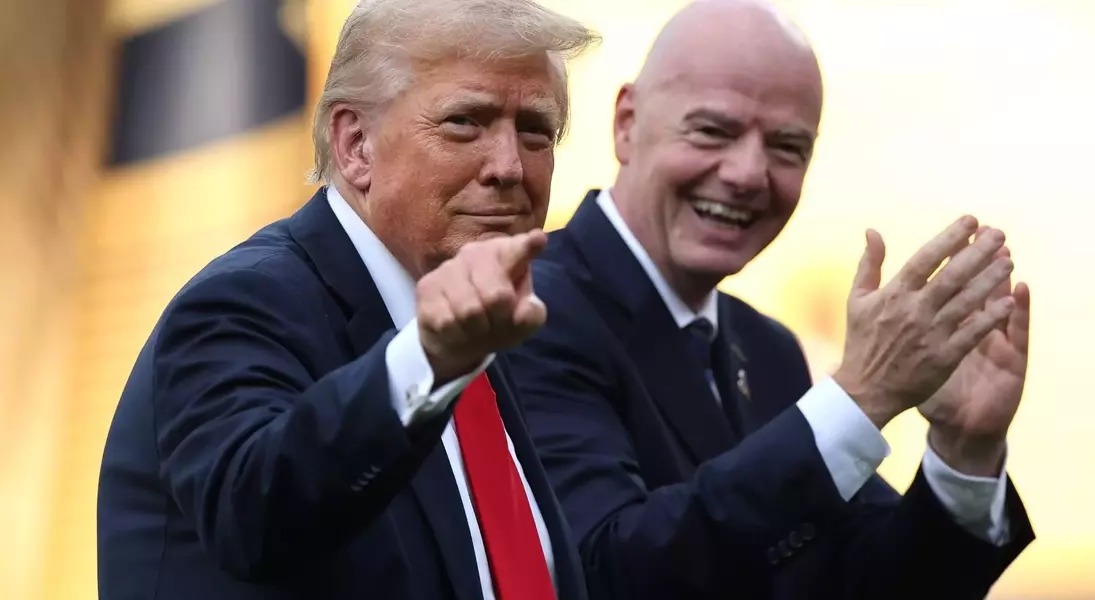
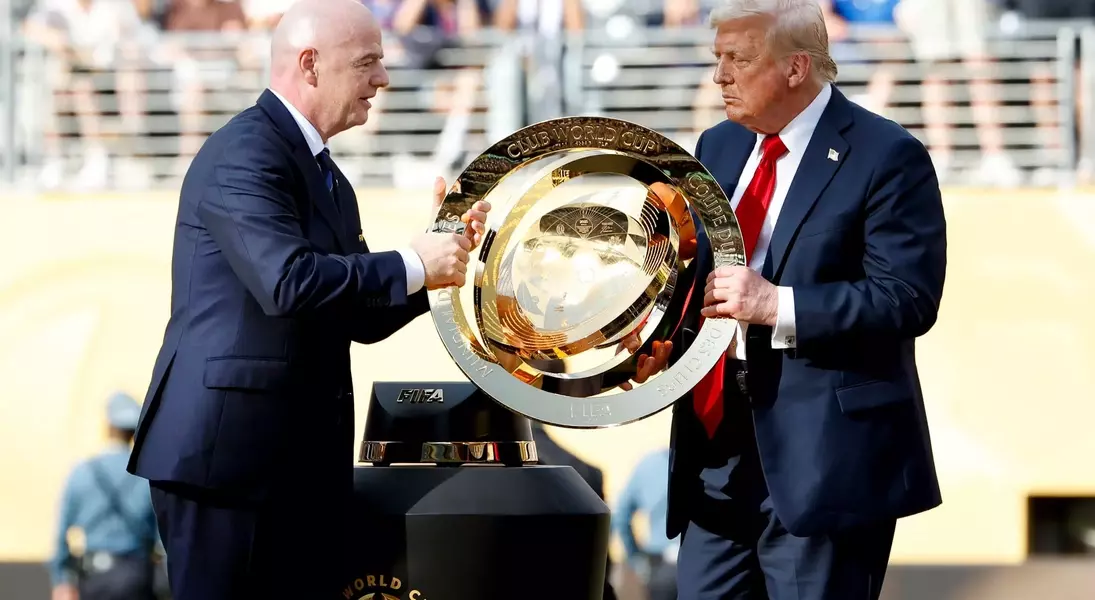
However, Infantino relentlessly pushed forward. A crucial turning point came with the securing of a global broadcast partner and substantial investment from SURJ Sports Investment, a Saudi Arabian entity, which injected a staggering $1 billion into DAZN, effectively providing the prize money needed to entice top clubs. This financial leverage, combined with Infantino's political acumen, allowed the tournament to proceed. The presence of influential figures like Donald Trump at the final, despite his demanding schedule and prior criticisms, further amplified the event's visibility and legitimacy, making it impossible for even the most ardent skeptics to ignore.
During a rare media appearance at Trump Tower, Infantino presented compelling statistics to underscore the tournament's success: 2.5 million spectators, an average attendance of 40,000, and an impressive $2.1 billion in revenue, indicating a substantial return per match. Surrounded by football legends and supported by club presidents like Florentino Perez, Infantino effectively validated his vision. This success has profound implications, creating a new revenue stream and offering a 'Super League' under FIFA's direct control, extending beyond Europe to include clubs like Al Hilal from Saudi Arabia. The tournament's triumphant conclusion, particularly with an English club as champion, will undoubtedly reshape conversations within the Premier League regarding global club competitions.
The successful execution of the Club World Cup, against all odds, signifies a definitive victory for Gianni Infantino and his expansive vision for global football. Much like the 'impossible city' of Venice, which continues to thrive despite its inherent challenges, the tournament has proven its resilience and undeniable presence. The criticisms and doubts have been largely overcome, and the competition is now an entrenched part of the footballing landscape. Its future iterations will undoubtedly ignite ongoing debate about prestige and scheduling, yet its initial success has undeniably set a new course for the sport's international evolution.
