
The landscape of Pride marketing is undergoing a significant transformation, as brands shift away from superficial, rainbow-themed promotions towards more deeply integrated and authentic engagements with the LGBTQ+ community. This evolution is driven by a desire to foster genuine connections, acknowledge diverse identities, and provide consistent support beyond the confines of Pride Month. Successful campaigns now prioritize cultural relevance, historical understanding, and direct community involvement, reflecting a growing consumer demand for sincerity and action over mere symbolism. This approach not only resonates more profoundly with LGBTQ+ audiences but also enhances brand credibility and fosters long-term relationships.
This new era of marketing is characterized by collaborations that immerse brands within the queer experience, celebrate diverse expressions of love, and actively contribute to LGBTQ+ causes. From pop culture icons leveraging their platforms to fashion houses delving into queer history, the focus is on creating meaningful narratives and tangible impacts. Such initiatives move beyond transactional advertising, aiming to build lasting trust and loyalty within a community that is increasingly discerning and vocal about its expectations from corporate allies. The shift signifies a strategic re-evaluation of how brands can effectively and ethically engage with the LGBTQ+ market, moving towards a future where authenticity and consistent advocacy are paramount.
Building Authentic Connections in LGBTQ+ Marketing
In recent years, the approach to Pride marketing has dramatically shifted from broad, often superficial, activations to more nuanced strategies that prioritize genuine community engagement and cultural immersion. Brands are recognizing that today's LGBTQ+ consumers, particularly Gen Z and millennials, seek more than just rainbow-colored merchandise; they demand authentic connections, a deep understanding of queer history, and tangible support for the community. This move away from "pinkwashing" toward meaningful initiatives is exemplified by partnerships that resonate with lived experiences and foster a sense of belonging.
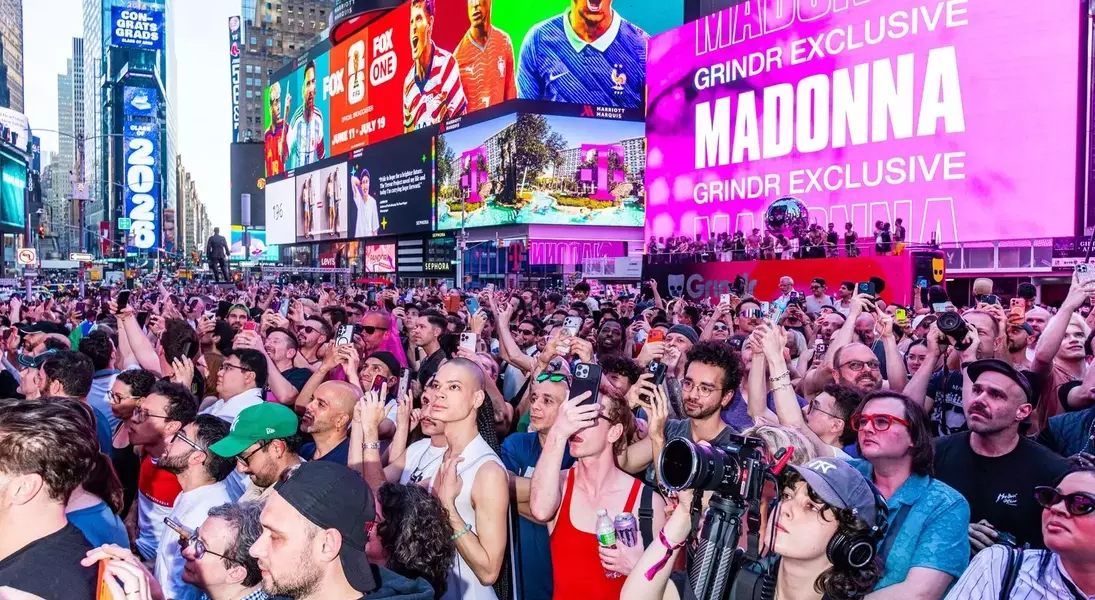
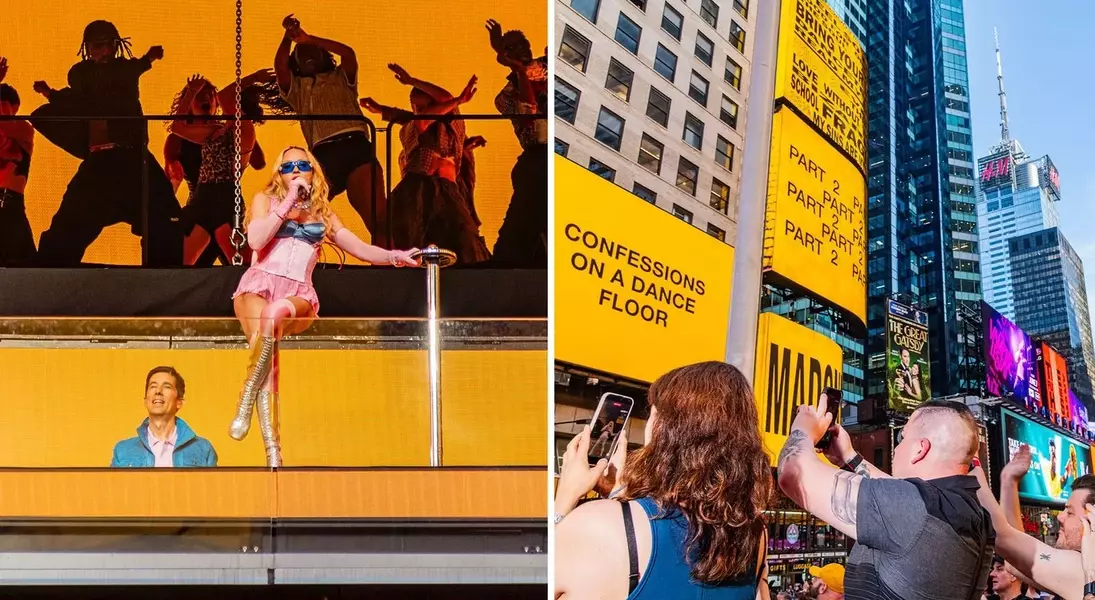
For instance, Madonna's collaboration with Grindr for her album launch exemplified this authentic approach by directly engaging the LGBTQ+ audience on their platform, showcasing the app as a cultural hub rather than solely a dating service. Similarly, Diesel's campaign with Tinder, featuring drag artists and focusing on contemporary love, aimed to celebrate diverse relationships and contribute to human rights charities. These examples highlight a growing trend where brands are investing in creative ideas that reflect the actual lives and values of queer people, moving beyond a celebratory facade to embrace the complexities and richness of LGBTQ+ culture year-round. This involves listening to community voices, supporting queer-owned businesses, and aligning with organizations dedicated to LGBTQ+ advocacy.
Navigating the Evolving Landscape of Brand Advocacy
The contemporary market for LGBTQ+ engagement is increasingly complex, with consumers scrutinizing brands more than ever for their sincerity and year-round commitment. As anti-LGBTQ+ sentiment persists in certain sectors and general consumer fatigue with overly commercialized Pride initiatives grows, brands face a delicate balance: engaging meaningfully without appearing performative, or risking criticism for disengagement. Experts emphasize that successful strategies must involve taking calculated risks, investing in well-researched creative concepts, and demonstrating unwavering support that extends far beyond a single month.
The emphasis is now on consistent visibility and action, rather than seasonal symbolism. Consumer data reveals a strong preference for brands that actively promote diversity and inclusion throughout the year, with a significant percentage of adults believing that support for the queer community should be continuous. This implies that brands must embed Pride into their core values and product offerings, backing up visibility with concrete actions like charitable contributions and fostering inclusive spaces. For brands aiming to tap into the lucrative "Dorothy dollar," this means developing a rooted sense of purpose and fostering long-term relationships with the LGBTQ+ community, understanding that credibility and trust are built through consistent, authentic advocacy, not just once-a-year activations.
