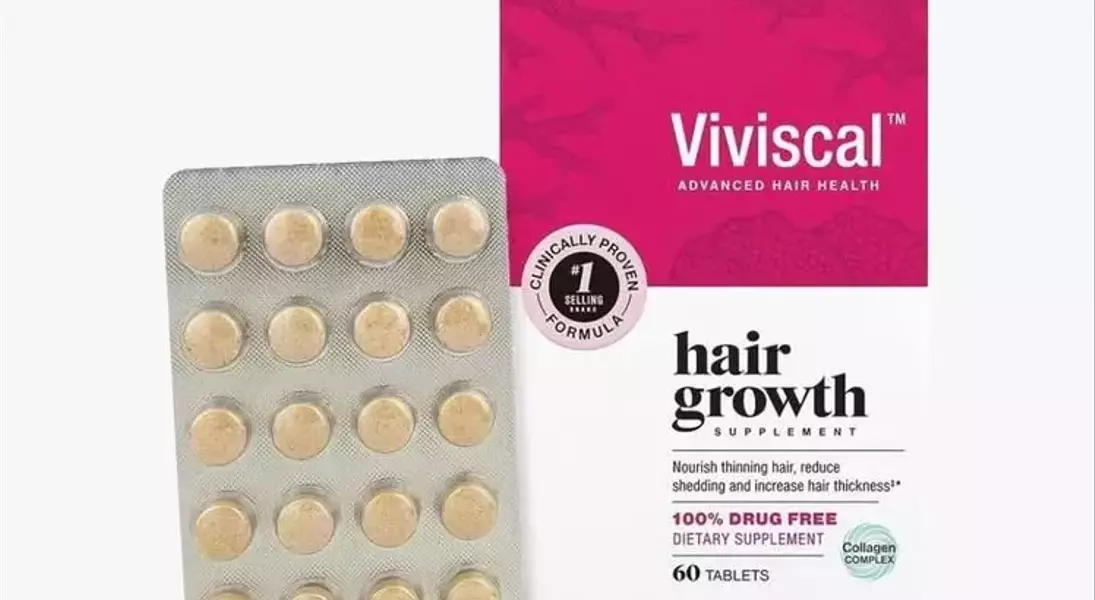
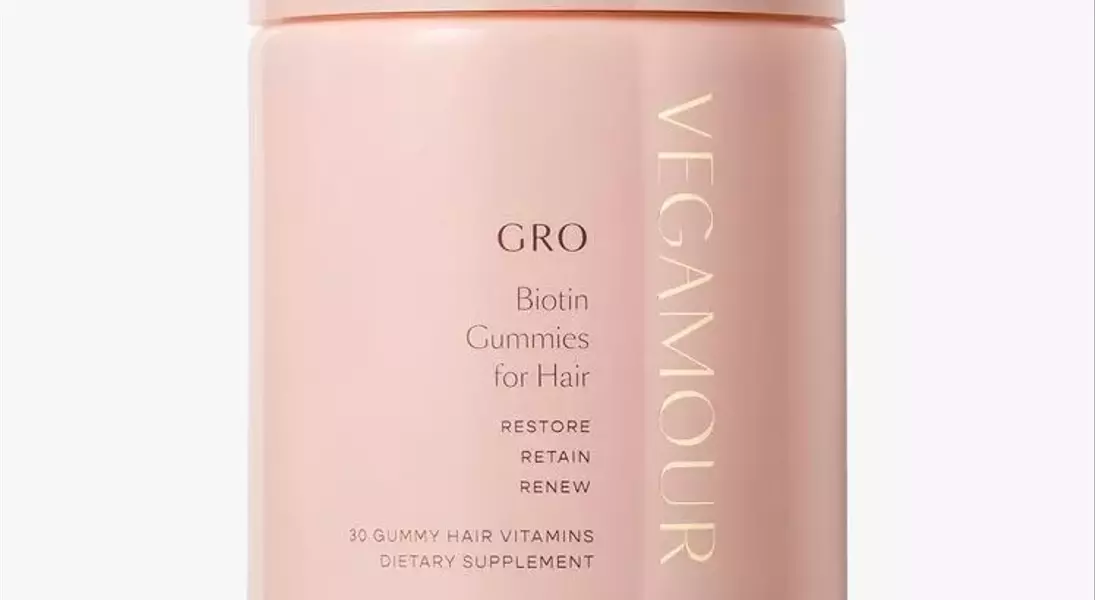
Hair shedding is a natural occurrence, with individuals typically losing up to 50 strands daily. However, external factors such as seasonal shifts can noticeably impact hair density. This phenomenon, often referred to as “seasonal alopecia,” is primarily driven by fluctuations in temperature, sunlight exposure, and other environmental elements. Despite these inevitable changes, maintaining robust hair health is achievable through consistent, positive hair care routines. Simple yet effective practices, such as using a microfiber towel for drying, incorporating a boar bristle brush, and opting for hair products formulated with mild, natural constituents, can significantly contribute to preserving hair's vitality and fullness. Furthermore, biotin stands out as a highly favored supplement for bolstering hair growth and minimizing loss.
Understanding Biotin's Role in Hair Health
Biotin, deriving its name from the Greek word “bio” meaning “life,” is a vital B vitamin that plays a crucial role in converting food into energy. Like its B vitamin counterparts, it is indispensable for maintaining healthy skin, nails, and particularly hair. Emerging research indicates that biotin may actively contribute to stimulating hair growth and preventing its loss. You can naturally obtain biotin through a varied diet, with rich sources including bananas, sweet potatoes, egg yolks, and avocados. Additionally, it is widely available in supplement form. Dr. Hadley King, a renowned expert, highlights that a strong correlation exists between biotin and hair growth, noting that hair loss is a primary symptom of biotin deficiency. However, Dr. King advises caution, emphasizing that further comprehensive research is necessary to conclusively determine the extent to which biotin supplements can enhance skin, hair, and nail health in individuals who do not suffer from a deficiency.
Strategic Biotin Use for Hair Loss Management
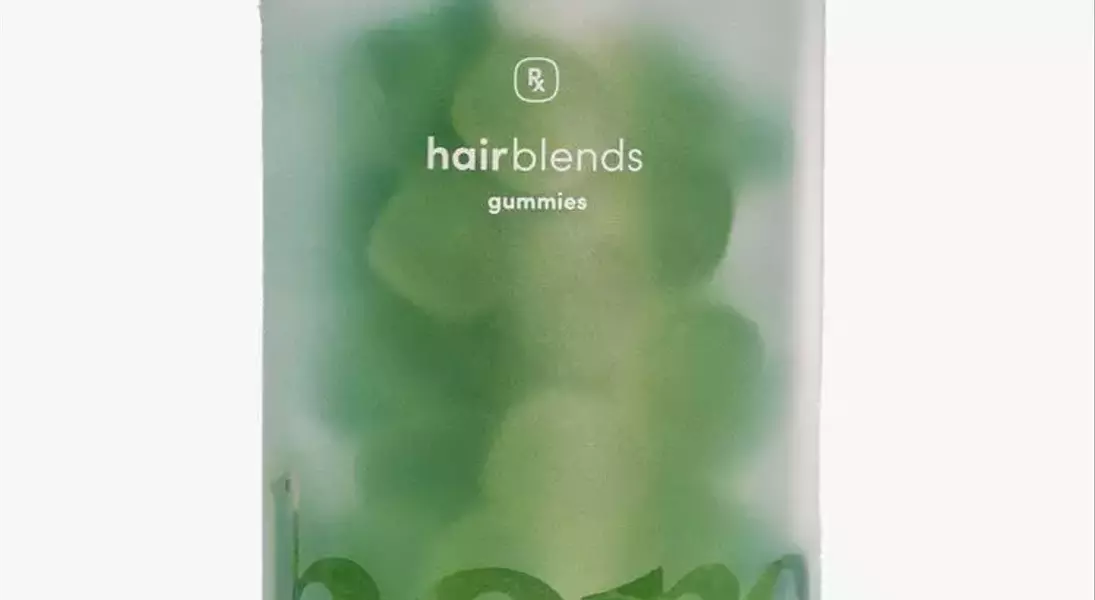
While definitive scientific proof is still evolving, a considerable number of individuals attest to the positive effects of biotin supplements. Experts confirm that biotin's water-soluble nature makes it a relatively safe option for supplementation. Nonetheless, the broader scientific community acknowledges the ongoing need for more extensive studies to fully establish biotin's effectiveness in combating hair loss and promoting new growth. If you are considering incorporating biotin or any other over-the-counter supplement into your regimen, it is crucial to select products that have undergone third-party laboratory testing to ensure their quality and purity. Moreover, it is wise to research potential risks. The FDA, for instance, has previously issued warnings regarding biotin's potential to interfere with certain laboratory tests. The recommended daily intake for adults typically ranges from 5 to 35 micrograms. However, many hair, skin, and nail supplements contain biotin levels up to 650 times this recommendation, which can lead to inaccurate lab test results, either falsely elevated or suppressed, depending on the specific test. In the debate between biotin and collagen for hair loss, while collagen is also a popular ingredient, biotin currently boasts more extensive research, positioning it as a more reliable choice for tangible results.
Optimal Biotin Sources for Hair Vitality
The National Institutes of Health (NIH) suggests an approximate daily biotin intake of 30 micrograms for adults, with pregnant or breastfeeding women advised to consult a physician for tailored recommendations. Health professionals generally concur that the most effective way to boost biotin levels, whether for deficiency correction or general hair health, is through a balanced diet. The Cleveland Clinic provides specific food options and their biotin contributions: organ meats like liver are exceptional sources, with three ounces of chicken liver providing 460% of the daily goal, and beef liver offering 100%. Salmon leads among fish, supplying 17% of the daily requirement per three ounces. Pork chops and ground beef also contribute significantly, each providing 13% per three ounces. A single cooked egg delivers 33% of the daily biotin goal, making a three-egg breakfast a simple way to meet the target. Nuts and seeds are also beneficial; a quarter cup of peanuts or sunflower seeds offers 16% and 9% respectively. Certain vegetables such as canned mushrooms, sweet potatoes, spinach, and broccoli each provide just under 10% of the daily biotin requirement. By integrating a diverse range of healthy fats, lean proteins, whole grains, and various fruits and vegetables, most individuals can naturally achieve adequate biotin intake. For those seeking an additional boost for hair health, focusing on biotin-rich foods like avocado, sweet potato, eggs, salmon, tuna, sardines, broccoli, spinach, almonds, legumes, walnuts, and sunflower seeds is highly recommended.
Topical Biotin Treatments: Fact vs. Fiction
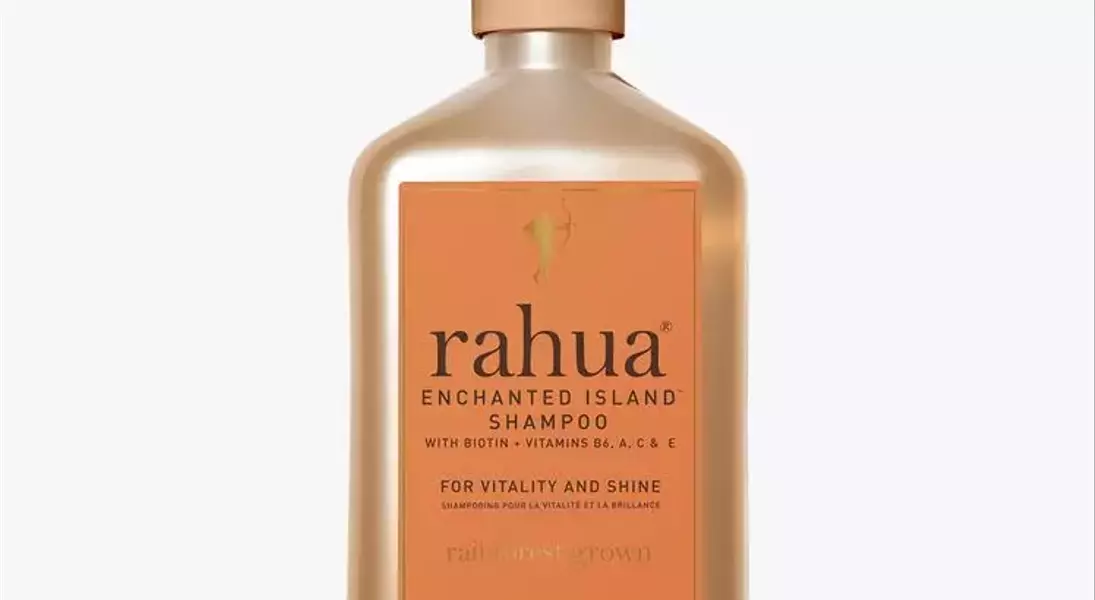
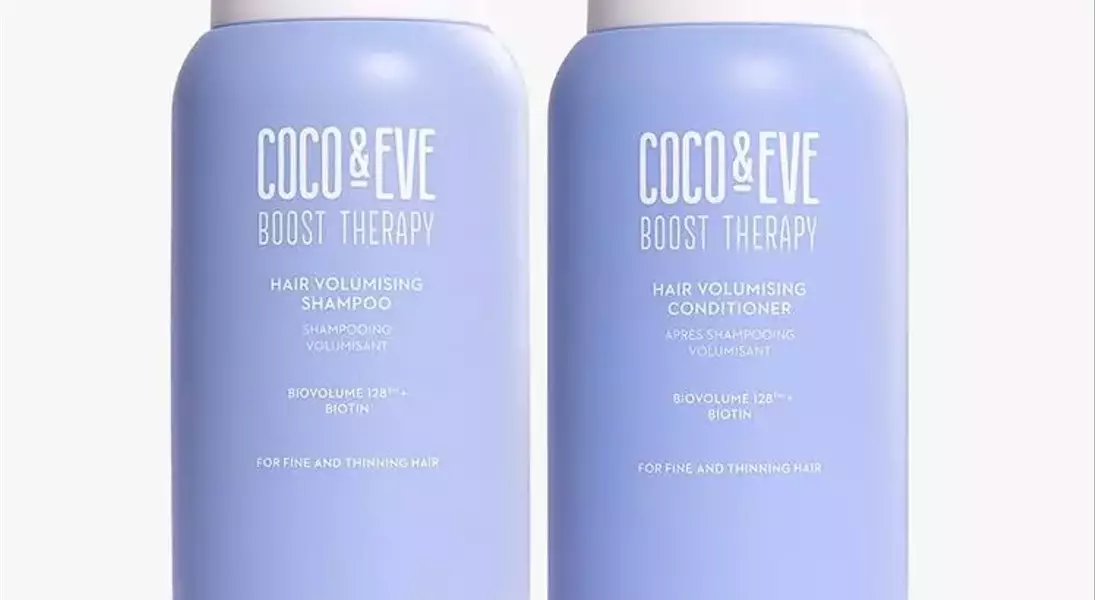
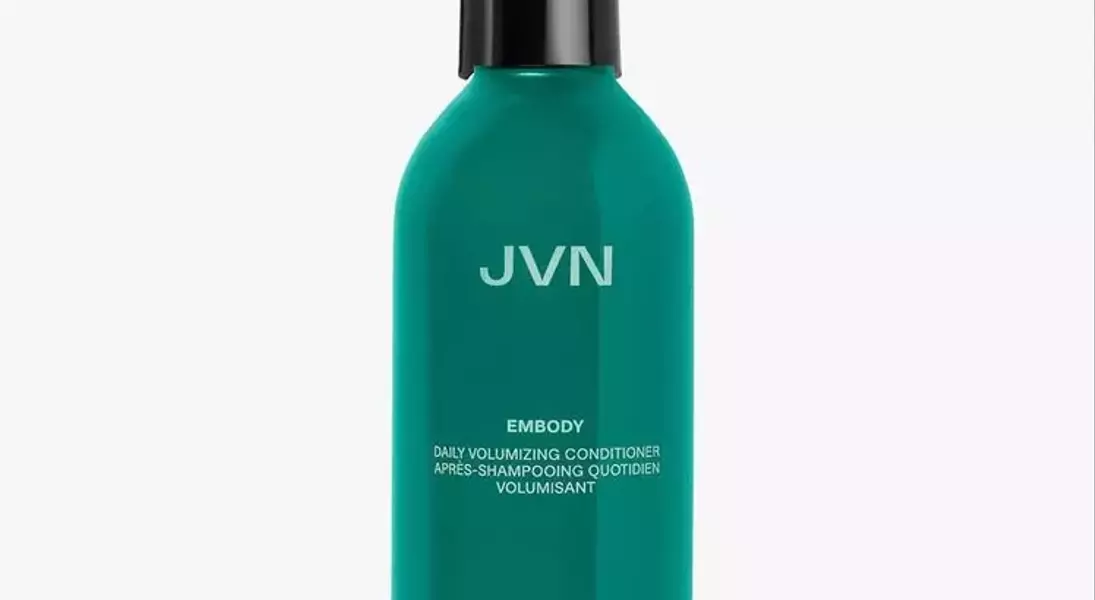
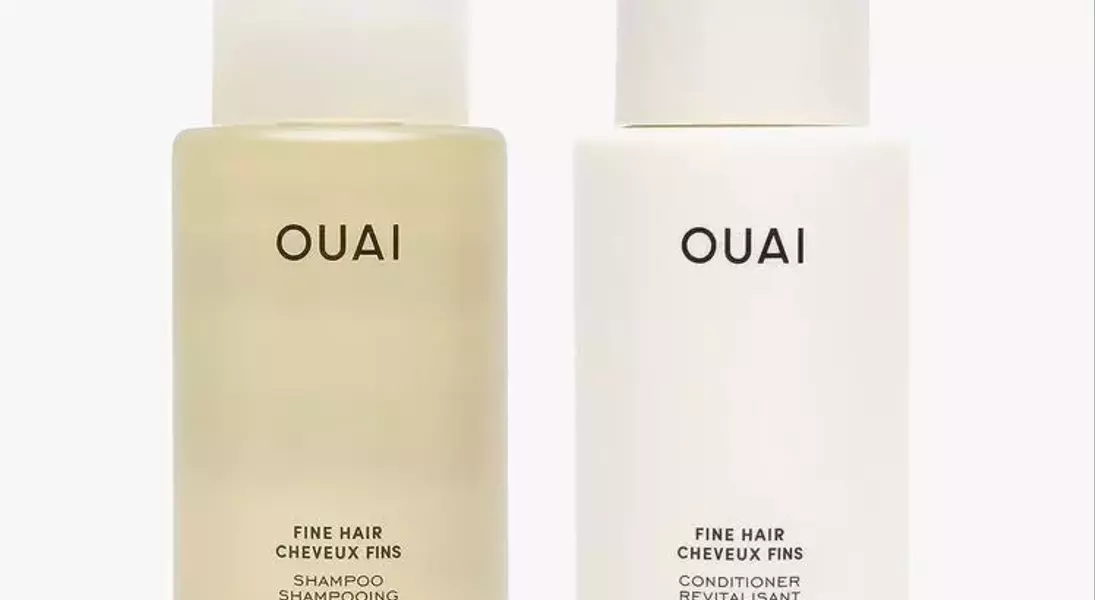
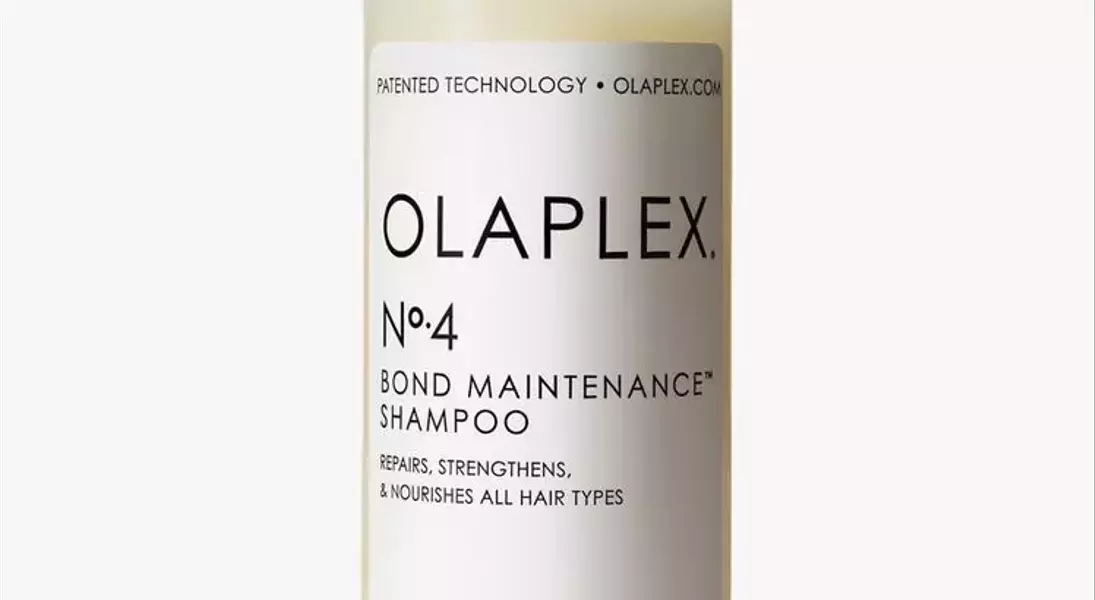
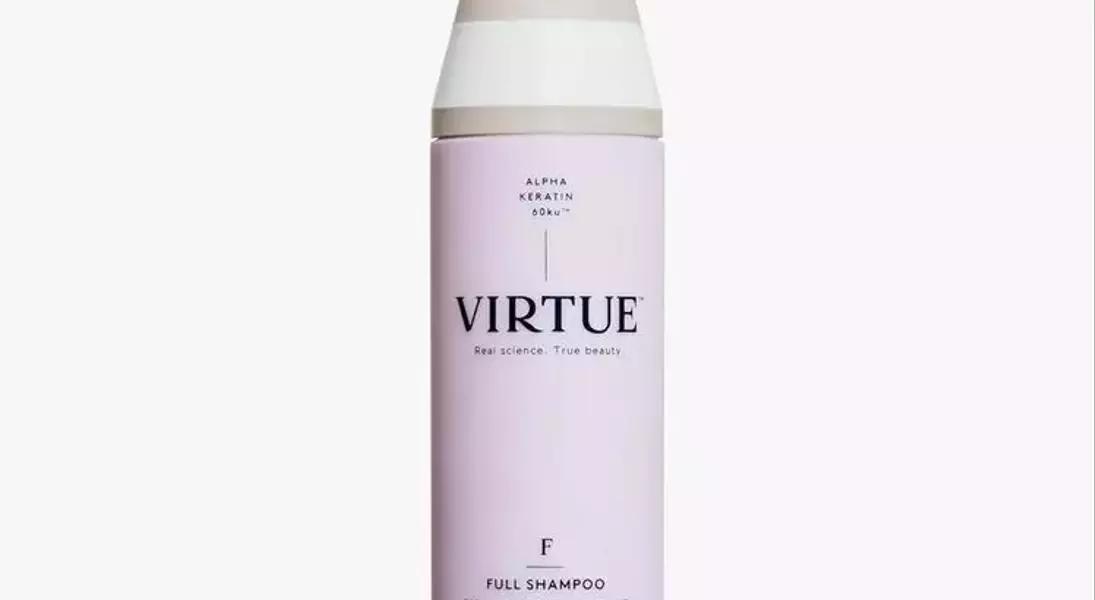
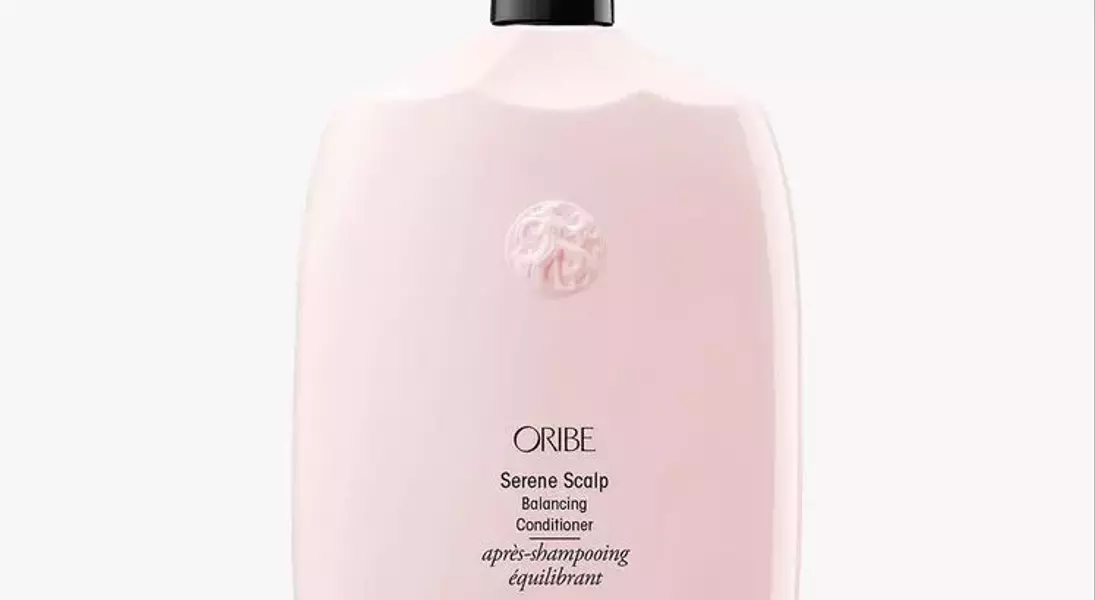
While biotin is a common ingredient in numerous hair care products, including shampoos, conditioners, and serums, there is minimal scientific evidence to suggest that topical application significantly improves hair quality. A scientific review highlighted that despite biotin’s importance for healthy hair when consumed internally, limited data supports its efficacy in healthy individuals when applied topically. The review also noted that many popular over-the-counter hair loss treatments, often featuring natural ingredients, lack substantial evidence of their effectiveness. Nevertheless, many biotin-infused topical treatments combine biotin with other high-quality, beneficial ingredients that can enhance hair’s fullness, volume, and shine. These products can still be valuable during periods of increased hair shedding, offering cosmetic benefits even if biotin's direct topical impact remains unproven. Products like Coco & Eve's Boost Therapy range, JVN Hair's Embody Volumizing Conditioner, Ouai's Fine Shampoo and Conditioner Set, Olaplex's No. 4 Bond Maintenance Shampoo, Virtue's Full Shampoo, Oribe's Serene Scalp Balancing Conditioner, and Rahua's Enchanted Island Shampoo incorporate biotin alongside other potent ingredients like panthenol, coconut oil, hydrolyzed keratin, bamboo extract, squalane, quinoa, hemp seed extract, chia seed oil, and rahua oil to nourish and fortify hair. These formulations aim to improve hair texture, strength, and overall appearance, making them appealing options for those seeking to enhance their hair care routine.
Considerations for Hair Care Choices
In the realm of hair health, it’s clear that while some solutions are backed by robust scientific evidence, others rely more on anecdotal success and the synergistic effects of multiple ingredients. It’s imperative for consumers to approach hair care products and supplements with an informed perspective, prioritizing a balanced diet and consulting healthcare professionals, especially when considering supplements. The journey to healthy, vibrant hair is often a multifaceted one, combining nutritional intake, diligent care practices, and a critical evaluation of product claims.
